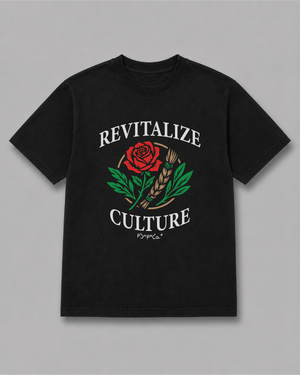
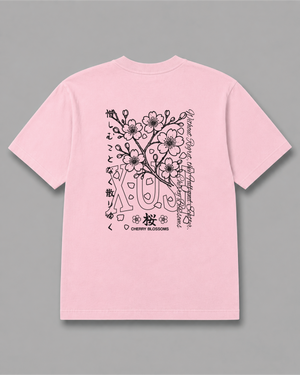
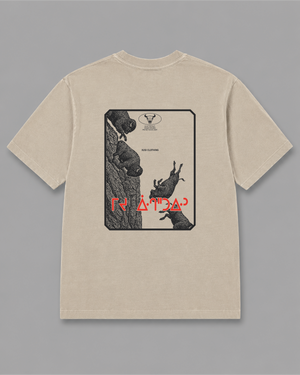
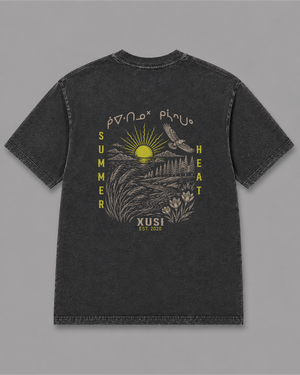
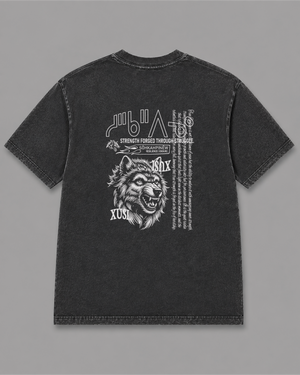
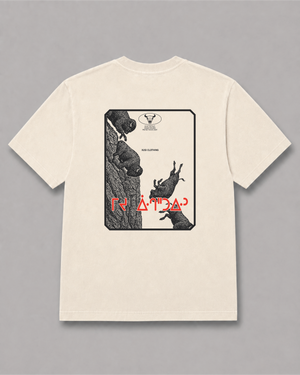

Indigenous designs are everywhere, from big-box stores to online marketplaces. Not all of it is made or owned by Indigenous people. If you want your money to support Indigenous artists, families and communities, a few questions go a long way.
1. Who owns the brand?
Look for a clear answer on the brand's About page: who started it, where they are from, and whether the business is Indigenous-owned. XUSI, for example, is owned by two Indigenous brothers from northern Saskatchewan and based in Saskatoon, on Treaty 6 territory. You can read our story.
2. Who designed it, and what does it mean?
Authentic Indigenous clothing usually comes with a story. If a shirt carries a word in Cree or another Indigenous language, the brand should be able to tell you what it means and why it is there. Every XUSI design has a meaning written by the founders, and all of them are on our Meanings page.
3. Watch for "inspired by" wording
Phrases like "Native-inspired", "tribal print" or "Aztec style" often mean the design borrows from Indigenous cultures without any Indigenous involvement. That is not the same as buying from an Indigenous-owned business.
4. Check Indigenous business directories
Many Indigenous-owned businesses are listed in Indigenous business directories. XUSI is listed in the Saskatchewan Chamber of Commerce Indigenous Business Directory, for example. A listing is not the only proof, but it is a good sign that the business has self-identified and can be looked up.
5. Look at what the business gives back
Many Indigenous-owned brands are tied to their communities. At XUSI that means fundraisers like our Orange Shirt Society crewneck, jobs for Indigenous youth, and our Strong Roots Strong Future youth workshop. See our community support page.
Why it matters
When you buy from an Indigenous-owned brand, the money stays with the people whose culture the design comes from. It pays for more designs, more jobs and more programs. It also means the words and images on the clothing are used with care and permission.
Shop Indigenous-owned clothing from XUSI
We ship across Canada from Saskatoon. Start with our Indigenous t-shirts, hoodies and crewnecks or A-frame hats, and read the meaning behind each design before you choose.
Questions to ask at a market or powwow vendor table
- Who designed this, and what does it mean?
- Is the business Indigenous-owned, and whose community are you from?
- Where is it printed or made?
- Is there a website where I can buy more later?
Indigenous vendors are usually glad to talk about their work. A clear, confident answer is a good sign.
Buying online
On marketplaces, the seller name and location matter. Look for a real brand website, an About page with named people or communities, and design descriptions that go beyond "tribal" or "native-style". If a listing uses sacred items or ceremonial imagery as decoration, be cautious.
Gifts that support Indigenous businesses
If you are shopping for someone else, a gift card from an Indigenous-owned brand lets them choose a design that speaks to them. See the XUSI digital gift card.
Written by XUSI, an Indigenous-owned clothing and screen printing brand from Saskatoon on Treaty 6 territory. Our story · What the words mean