
Indigenous Alberta: Treaties, Nations and Community
An introduction to Alberta: its history, its Nations and treaties, and Indigenous community life today, with sources.
About Alberta
Alberta runs from the Rocky Mountains and foothills in the west across prairie and parkland to the boreal forest of the north. According to Indigenous Services Canada, 45 First Nations live within the province, covered by three historic agreements: Treaty 6 across the centre, Treaty 7 in the south and Treaty 8 in the north. Widely spoken First Nations languages include Blackfoot, Cree, Dene, Chipewyan, Tsuut’ina (Sarcee) and Stoney Nakoda. The Blackfoot Confederacy nations have deep roots on the southern plains. Alberta is also distinctive for its eight Métis Settlements, established after the 1938 Métis Population Betterment Act on about 1.25 million acres, which remain the only secure Métis land base in Canada. More than 114,000 Métis people call the province home. Edmonton, on the North Saskatchewan River, is the capital, while Calgary sits where the Bow and Elbow rivers meet.
Alberta history
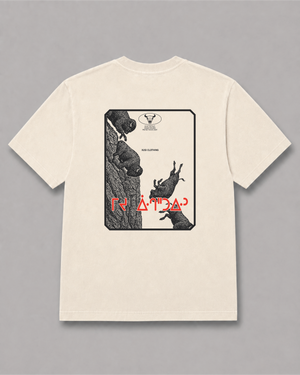
Before the fur trade, the Kainai, Piikani, Gros Ventre, Ktunaxa and Crow lived on the southern plains. The Tsuut'ina, Dane-zaa, Cree, Assiniboine, Stoney, Denesuline and Slavey lived across the centre and north. UNESCO says people hunted bison at Head-Smashed-In Buffalo Jump for close to 6,000 years, until around 1850. Hunters drove herds along lanes marked with stone cairns toward a cliff about 10 metres high. Peter Pond built the first trading post on the Athabasca River in 1778, and Fort Chipewyan followed in 1788. Canada acquired the Hudson's Bay Company lands on June 23, 1870. Treaty 6 was made in 1876. A year later, on September 22, 1877, leaders gathered at Blackfoot Crossing on the Bow River to conclude Treaty 7. The Canadian Encyclopedia notes that its First Nation signatories understood it as a peace treaty, not a land surrender. Treaty 8 followed on June 21, 1899, at Lesser Slave Lake, after the Klondike gold rush raised Ottawa's interest in the north. A scrip commission dealt with Métis claims at the same time. Settlers arrived quickly after that. The non-Indigenous population grew from about 1,000 in 1881 to 373,943 by 1911. Alberta became a province on September 1, 1905, with Edmonton chosen as capital over Calgary. Ottawa kept control of its Crown lands and resources until 1930.
Treaty and territory
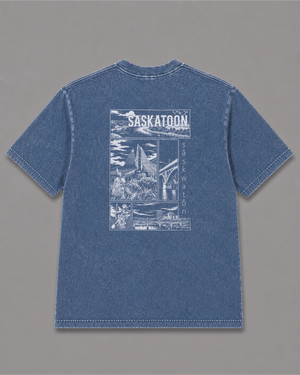
Alberta lies within the lands of Treaties 6, 7 and 8, and is home to Cree, Dene, Blackfoot (Siksikaitsitapi), Tsuut’ina, Stoney Nakoda and Métis people, including the only recognized Métis land base in Canada, the Metis Settlements. Northern and central Alberta share Treaty 6 with Saskatoon, where XUSI started.
Nearby: Edmonton · Calgary · Siksika Nation · Tsuut’ina Nation · Maskwacîs · Lloydminster
Regions of Alberta
Alberta spans three physiographic regions. The Cordillera rises in the southwest, the Interior Plains cover most of the province, and the Canadian Shield reaches the far northeast. The plains shift from prairie grassland in the south to aspen parkland in the middle and boreal forest in the north. The treaties follow a similar north-south pattern. Treaty 7 covers southern Alberta, home to the Siksika, Kainai, Piikani, Stoney Nakoda and Tsuut'ina. Treaty 6 crosses the central parkland, the historic land of the Cree. Treaty 8 takes in most of northern Alberta. It is the largest treaty by area in Canadian history, about 841,487 square kilometres across four provinces and territories. Alberta's Métis also map onto the land through the Otipemisiwak districts, which range from Peace River Territory to urban districts in Edmonton and Calgary. The Alberta Native Friendship Centres Association acknowledges Treaty 4, 6, 7, 8 and 10 territories in its work. It also names the Métis districts and settlements alongside them.
Indigenous Alberta today
The provincial government lists 17 First Nations in Treaty 6, seven in Treaty 7 and 24 in Treaty 8. In the north, the Kee Tas Kee Now Tribal Council brings together Loon River Cree Nation, Lubicon Lake Band and Peerless Trout First Nation. Métis governance in Alberta goes back to 1928. Today it is carried on by the Otipemisiwak Métis Government, which says it is moving toward self-government. Its districts, from Peace River Territory to Calgary Nose Hill, run their own councils and community events, including jigging lessons. An advisory Kahsketakihk Council of Elders and Knowledge Keepers supports its work. Affiliated bodies include Métis Crossing, the Rupertsland Institute and Apeetogosan. The Alberta Native Friendship Centres Association formed in 1970 to support centres in urban, rural and remote towns. It says about 70 per cent of Alberta's Indigenous people live off-reserve or off-settlement. Its member centres log more than 700,000 points of service every year. During the Calgary Stampede, members of Treaty 7 First Nations host Elbow River Camp. Visitors walk among painted tipis and watch interpreters make dried meat, bannock and Saskatoonberry soup. At Head-Smashed-In, Blackfoot-speaking guides lead every interpretive and education program.
Life in Alberta
Oil defines modern Alberta. Turner Valley's field was found in 1914, and the strike at Leduc in February 1947 transformed the economy. The first commercial oil sands operation opened in 1967. The province is also strongly urban, with 82.3 per cent of residents living in cities and towns in 2021. Most of the land lies in the Interior Plains, running from grassland in the south through parkland to boreal forest. The Rockies of the Cordillera rise in the southwest, and a corner of Canadian Shield reaches the northeast. Head-Smashed-In Buffalo Jump is the south's best-known heritage site. It became a National Historic Site in 1968 and a UNESCO World Heritage Site in 1981. The protected area covers 3,626 hectares where the foothills meet the Great Plains. Its visitor centre is built right into the cliff, and archaeologists have studied deep layers of bone and old butchering camps below it.
Alberta seasons and weather
Chinook winds can bring sudden thaws to southern Alberta in midwinter, but cold snaps return just as fast, and the north stays frozen for months. Layering a tee under a hoodie with a warm hat handles the quick swings.
Communities in Alberta
- Edmonton
- Calgary
- Lethbridge
- Red Deer
- Grande Prairie
- Fort McMurray
- St. Albert
- Spruce Grove
- Airdrie
- Medicine Hat
- Cold Lake
- Wetaskiwin
Keep learning in the XUSI Journal
- The Numbered Treaties, Explained
- Nêhiyawêwin: A Beginner's Guide to the Cree Language
- First Nations, Métis and Inuit: What’s the Difference?
- How to Write a Land Acknowledgement That Means Something
- All Journal articles
Alberta questions
Can I pick up an order in Alberta instead of paying for shipping?
Local pickup is only offered in Saskatoon. Orders to Alberta ship from Saskatoon and leave within 1 to 3 business days, and orders of $90 or more ship free within Canada.
Could a Calgary or Edmonton sports club order printed hoodies for the whole team?
Absolutely. Team orders start at a 10-garment minimum, with up to 4 colours per design, and every order is quoted before printing. We help with the design, print it in Saskatoon and ship the finished order to Alberta.
Is there a XUSI design suited to someone visiting Head-Smashed-In or Blackfoot Crossing?
Many of our designs carry a Cree word and the story behind it, which you can read on our Meanings page. Keep in mind that Alberta's southern sites are Blackfoot places with their own language and histories. Many of our designs carry a Cree word, with its story on our Meanings page.
Could an Otipemisiwak Métis district or Alberta friendship centre order custom shirts for a community event?
Yes. We print custom orders of 10 garments or more in Saskatoon, with up to 4 colours per design, and every order is quoted before printing. Design help is included, so a district council or centre can bring an idea and we will help turn it into print-ready art before shipping it to Alberta.
Last reviewed . Facts on this page come from the sources listed below.
Sources for this page
- Alberta / The Canadian Encyclopedia
- Treaty 7 / The Canadian Encyclopedia
- Treaty 8 / The Canadian Encyclopedia
- First Nations Relations / Alberta.ca
- Otipemisiwak Métis Government
- Alberta Native Friendship Centres Association
- Elbow River Camp Interpretive Program / Calgary Stampede
- Head-Smashed-In Buffalo Jump / UNESCO World Heritage Centre
Indigenous clothing from XUSI
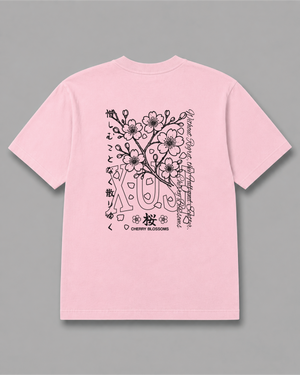
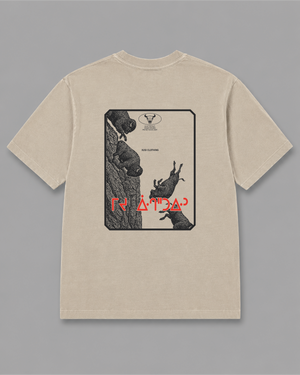
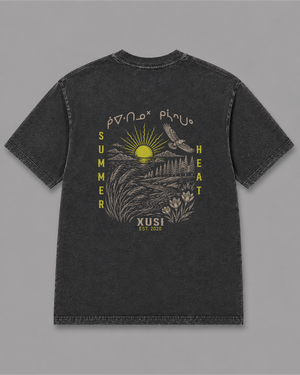
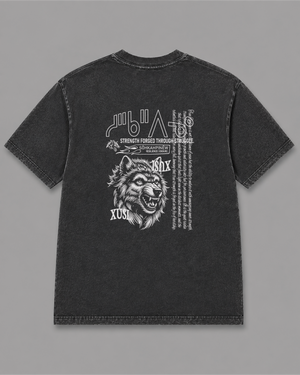
Looking for Indigenous-designed apparel in Alberta? XUSI is an Indigenous-owned label based next door in Saskatoon, and our hoodies, graphic tees and hats travel west to Calgary, Edmonton and every foothills, prairie or northern community in between.
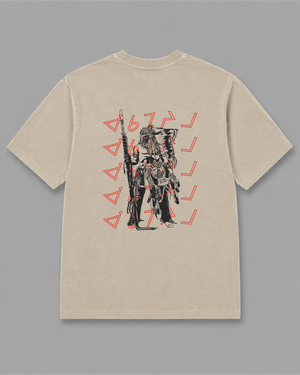
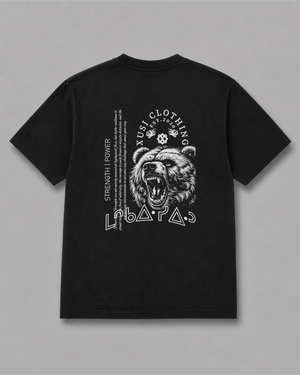
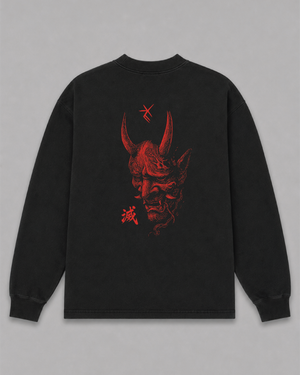
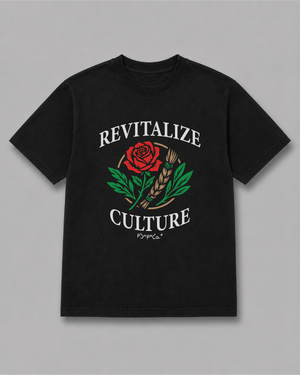
Alberta asks a lot of a wardrobe. A summer day at the Stampede grounds calls for our heavyweight cotton tee. Add an A-frame snapback to shade your face from the prairie sun. That same hat earns its keep on the open grassland around Head-Smashed-In. Crisp fall mornings in the Rocky Mountain foothills suit the Black Oni long sleeve. When a cold snap settles over Edmonton or an oil sands town, reach for a hoodie. The Revitalize Culture crewneck also layers well under a winter parka. We also print custom runs in Saskatoon for Alberta groups, from a Métis district youth program to a friendship centre volunteer crew.