
We get this question more than you'd think, usually asked quietly, like people are worried it's a dumb one. It isn't. Plenty of people in Canada grew up without anyone explaining it, and a lot of what gets said out loud is outdated or just wrong.
So here's a plain answer from an Indigenous-owned shop in Saskatoon, on Treaty 6 territory. We're not speaking for any nation here. Everything below comes from government, university and Indigenous organization pages, listed at the bottom so you can read them yourself.
The short answer
"Indigenous peoples" is the umbrella term. In Canada, it covers three distinct groups: First Nations, Inuit and Métis.
Crown-Indigenous Relations and Northern Affairs Canada describes each of the three as having "unique histories, languages, cultural practices and spiritual beliefs." That word, distinct, is the whole point. These aren't three flavours of the same thing. They're different peoples.
The recognition is written into law. Section 35 of the Constitution Act, 1982 says that "aboriginal peoples of Canada" includes "the Indian, Inuit and Métis peoples of Canada," and it recognizes and affirms their existing Aboriginal and treaty rights. "Indian" there is the old legal word for First Nations, which is why you still see it in laws like the Indian Act.
First Nations
"First Nations" came into common use in the 1970s to replace "Indian," according to Library and Archives Canada. It's still an umbrella term, though. The University of Saskatchewan points out there are more than 600 distinct First Nations communities in Canada.
That's the part people miss. A Cree nation and a Dene nation aren't the same, any more than two countries in Europe are the same. They have their own languages, governments, territories and histories.
A few more things worth knowing:
- The 2021 Census counted 1,048,405 First Nations people in Canada, the first time the count passed a million.
- The Canadian Encyclopedia notes that, unlike Métis and Inuit, most First Nations hold reserve lands, and members can live both on and off reserve.
- Many First Nations signed treaties with the Crown. If you live on the Prairies, our post on the numbered treaties covers which one your land falls under.
Inuit
Inuit are the Indigenous people of the Arctic. The word "Inuit" means "the people," and it's what the northernmost Indigenous peoples called themselves.
Inuit Tapiriit Kanatami (ITK), the national Inuit organization, says most Inuit live in 51 communities across Inuit Nunangat, the Inuit homeland. It covers 40% of Canada's land area and 72% of its coastline.
Inuit Nunangat has four regions:
- Inuvialuit Settlement Region in the Northwest Territories
- Nunavut, which became a territory in 1999
- Nunavik in northern Quebec
- Nunatsiavut in Labrador
The 2021 Census counted 70,545 Inuit in Canada, with 69.0% living in Inuit Nunangat. ITK says roughly 60% of Inuit can hold a conversation in Inuktut, and the median age is just 23.
One thing to drop from your vocabulary: "Eskimo." It's an outsider's term, and Inuit is the name Inuit use.
Métis
This is where most of the confusion lives, so let's be careful.
Métis doesn't just mean "mixed." The University of Saskatchewan's guide says it directly: Métis people "are not 'half French and half First Nations.'" They're a distinct Indigenous people with their own culture, their own language (Michif) and their own history, rooted in the fur trade and centred on the prairies.
The Métis Nation adopted a national definition in 2003: "Métis means a person who self-identifies as Métis, is distinct from other Aboriginal Peoples, is of historic Métis Nation Ancestry and who is accepted by the Métis Nation." Métis Nation–Saskatchewan uses the same test for citizenship.
So having a First Nations ancestor and a European ancestor doesn't make someone Métis. It's about belonging to a specific people with a specific homeland in west-central North America.
The 2021 Census counted 624,220 Métis in Canada. We're writing a separate piece on Métis history here in Saskatchewan, so we'll keep this section short.
What that looks like in Saskatchewan
All of this is close to home for us. According to Indigenous Services Canada:
- There are 70 First Nations in Saskatchewan, and 63 of them are affiliated with one of nine tribal councils.
- The province is home to Cree, Dakota, Dene, Nakota and Saulteaux peoples.
- Saskatchewan is also a Métis homeland, which makes Michif another Indigenous language spoken here.
- Treaties 2, 4, 5, 6, 8 and 10 cover the province.
Statistics Canada reported that 17.0% of Saskatchewan's population identified as Indigenous in 2021. That's one of the highest shares of any province.
Saskatoon sits on Treaty 6 territory and the homeland of the Métis. You'll see that phrase in a lot of land acknowledgements around the city, and now you know why both parts are there.
Words to use, words to skip
Terminology changes, and nobody expects perfection. But a few habits go a long way.
- Be specific when you can. The University of Saskatchewan suggests using a nation's own name, like nêhiyaw (Cree) or Muskeg Lake Cree Nation, instead of a broad label. If you know the nation, say it.
- "Indigenous" is the respectful umbrella term when you mean all three groups.
- "Aboriginal" is outdated government language. You'll still see it in older documents and laws.
- Skip "Indian" and "Native" outside of legal names and history (the Indian Act, for example). Library and Archives Canada notes most uses of "Indian" today are considered offensive.
- Don't lump groups together when you're talking about rights, programs or history. Treaties, land claims and governments are different for each.
If you get something wrong, a simple "thanks, I'll use that" is usually all anyone's looking for.
Why it matters to a clothing brand
Fair question. We're Indigenous-owned, and a lot of what's sold as "Native-inspired" out there isn't made by Indigenous people at all. Knowing who's who helps you ask better questions before you buy. Our guide on how to tell if Indigenous clothing is Indigenous-owned goes into that.
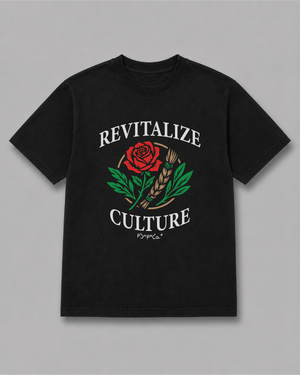
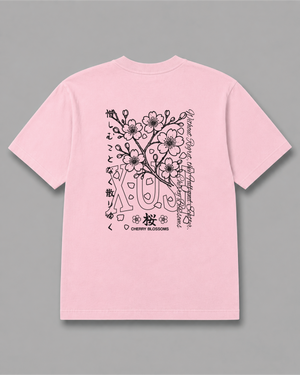
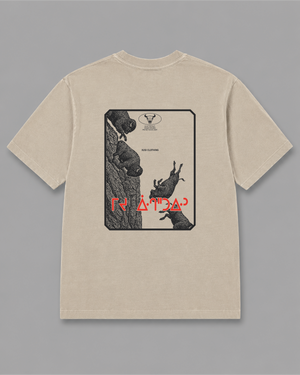
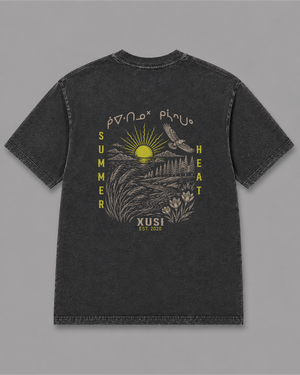
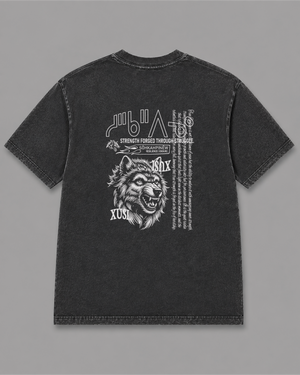
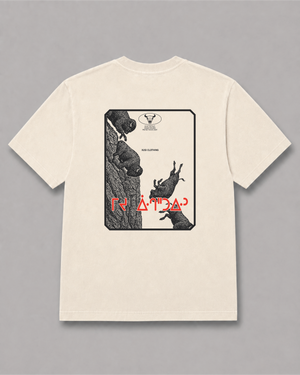
It's also why we're careful with language on our own designs. Many of our shirts carry a Cree word, and the story behind each one is on our Meanings page, in the founders' own words.
Where to learn more
- Go to the source. ITK, Métis Nation–Saskatchewan and individual First Nations all publish information about themselves.
- Visit. Wanuskewin Heritage Park is just outside Saskatoon.
- Read a local encyclopedia. The Canadian Encyclopedia and the University of Saskatchewan's teaching guides are free and well sourced.
Questions people ask
Is "Indigenous" the same as "First Nations"?
No. First Nations is one of the three Indigenous peoples in Canada. Indigenous includes First Nations, Inuit and Métis.
Are Métis people First Nations?
No. Métis are a distinct Indigenous people with their own history, language and homeland, recognized separately in section 35 of the Constitution Act, 1982.
Where do most Inuit live?
Most live in Inuit Nunangat, the four Inuit regions across the Arctic. In 2021, 69.0% of Inuit lived there. ITK notes more than 3,000 Inuit also live in Ottawa.
How many First Nations are in Saskatchewan?
Indigenous Services Canada lists 70. Some sources count slightly differently, so you may see other numbers.
Sources
- Crown-Indigenous Relations and Northern Affairs Canada: Indigenous peoples and communities
- Library and Archives Canada: First Nations, Inuit and Métis historical terminology
- University of Saskatchewan: Who are the Indigenous Peoples of Canada?
- Inuit Tapiriit Kanatami: About Canadian Inuit
- Otipemisiwak Métis Government: National Definition of Métis
- Métis Nation–Saskatchewan: About the Métis Nation
- Statistics Canada: Indigenous population continues to grow (2021 Census)
- The Canadian Encyclopedia: First Nations in Saskatchewan
- Indigenous Services Canada: Indigenous peoples in Saskatchewan
Written by XUSI, an Indigenous-owned clothing and screen printing brand from Saskatoon on Treaty 6 territory. Our story · What the words mean