
Indigenous Prince Albert: Treaty 6, Nations and Community
An introduction to Prince Albert: its history, the Nations whose lands it sits on, and Indigenous community life today, with sources.
About Prince Albert
Prince Albert, Saskatchewan’s third-largest city, stands on the North Saskatchewan River near the centre of the province, where prairie farmland to the south meets forest and lakes to the north, earning it the name Gateway to the North. It began as a Presbyterian mission in 1866 and was named for Queen Victoria’s husband. Three prime ministers, Laurier, King and Diefenbaker, represented the riding. The city serves agriculture, forestry, mining and tourism, and Prince Albert National Park lies to the north. A large share of residents are Indigenous. The Prince Albert Grand Council, headquartered here, represents 12 Cree, Dene and Dakota First Nations, and in August 2026 it hosted a four-day Gathering of Nations on the Chief Joseph Custer grounds to mark 150 years of Treaty 6, with powwow dancing, jigging, Dene handgames and storytelling. Saskatchewan Polytechnic also has a campus in the city.
Prince Albert history
Long before the city, this stretch of the North Saskatchewan River was a First Nations meeting place called kistahpinanihk. In 1862 a group of English Métis and First Nations people started the Isbister Settlement here. Its founder, James Isbister, began farming on June 3 of that year. The Dictionary of Canadian Biography notes he spoke English, Gaelic, Cree, Chipewyan and Michif. He also hauled freight for the Hudson's Bay Company and worked at the government farm on the John Smith (Muskoday) reserve. Land rights soon became a pressing issue. Isbister helped lead the Settlers' Union, formed in 1883 to unite English and French Métis. In 1884 he was the only English member of the delegation that brought Louis Riel back to Canada. He did not join the armed resistance that followed. A boom began when the railway was expected to follow the river valley. It collapsed after the Canadian Pacific chose a more southern route. Prince Albert was incorporated as a town in 1885, with Thomas McKay as first mayor. It became a North-West Mounted Police headquarters in 1886. The first train arrived in October 1890, and city status followed on October 8, 1904. Work on a hydro dam at La Colle Falls stopped on July 29, 1913, leaving it unfinished.
Treaty and territory
Prince Albert is on Treaty 6 territory and the homeland of the Métis, and is often called the gateway to northern Saskatchewan.
Nearby: Wahpeton Dakota Nation · Muskoday First Nation · Sturgeon Lake First Nation · James Smith Cree Nation · Shellbrook · Waskesiu Lake
Indigenous Prince Albert today
The 2016 census found that 42.4 per cent of Prince Albert residents identified as Indigenous. The Prince Albert Indian & Métis Friendship Centre opened in 1963. It first helped First Nations and Métis families moving in from rural areas and reserves. It now has about 20 staff and runs court worker, youth and wellness programs, children's summer camps and cultural nights. In cold weather its gym becomes a warming shelter serving soup, bannock and coffee. In February 2026 it hosted a three-day gathering called Sharing Our Voices to Heal. The Prince Albert Grand Council's member Nations span Pre-Confederation, Treaty 5, 6, 8 and 10 lands. They include Lac La Ronge Indian Band, Montreal Lake Cree Nation and Peter Ballantyne Cree Nation. The council sends roughly 100 people across the province each season on forest mitigation crews that reduce wildfire risk. For post-secondary study, First Nations University of Canada runs its northernmost campus in the city. Saskatchewan Polytechnic's northernmost campus is here too.
Life in Prince Albert
Prince Albert is a working city for the north. It acts as a supply and service base for the gold and uranium mines that opened after discoveries in the 1970s and 1980s. A pulp mill ran from 1968 to 2006 and made forestry the city's second-largest industry. Today health care, retail and public administration are the largest employers. The 2021 census counted 37,756 residents. The city holds several heritage buildings, including Keyhole Castle, built for Samuel McLeod, and the 1893 town hall. The E.A. Rawlinson Centre for the Arts opened in 2003. Prince Albert National Park, north of the city, draws visitors to its lakes and forest. Parks Canada notes that Indigenous people were kept from their territories and resources inside its borders. Grey Owl lived there in the 1930s at Ajawaan Lake with Anahareo, a Mohawk author and canoeist.
Prince Albert seasons and weather
Winters are long and cold, colder than the southern prairie, and the nearby forest brings deep snow. Summers are warm and buggy near the lakes. Heavy hoodies and toques get plenty of wear.
More on the region: Indigenous Saskatchewan · all of Canada.
Keep learning in the XUSI Journal
- Treaty 6 and Saskatoon: Where XUSI Comes From
- The Numbered Treaties, Explained
- Métis History in Saskatchewan: Places to Learn and Visit
- Residential Schools in Saskatchewan: Where to Start Learning
- All Journal articles
Prince Albert questions
Can our Prince Albert hockey or ball team order matching hoodies?
Yes. Custom screen printing needs at least 10 garments, with up to 4 colours per design, and every order is quoted before printing. Design help is included, and we print in Saskatoon and ship to Prince Albert.
Is free shipping available to Prince Albert?
Orders of $90 or more ship free within Canada, Prince Albert included. For smaller orders the cost is shown at checkout, and orders leave Saskatoon within 1 to 3 business days.
Do any XUSI designs carry Cree words that Prince Albert families would recognize?
Many of our designs carry a Cree word, and the story behind each one is on our Meanings page. Many of our designs carry a Cree word, with its story on our Meanings page. They make a good fit for families who want to wear the language day to day.
Could the Prince Albert Indian & Métis Friendship Centre or a local gathering order printed shirts?
Yes. Our custom screen printing starts at 10 garments, with up to 4 colours per design, and every order is quoted before printing. Design help is included. We print in Saskatoon and ship the finished order to Prince Albert, which suits a program team or event volunteers.
Last reviewed . Facts on this page come from the sources listed below.
Sources for this page
- Prince Albert / The Canadian Encyclopedia
- Prince Albert / The Encyclopedia of Saskatchewan
- Isbister, James / Dictionary of Canadian Biography
- Prince Albert Grand Council
- Prince Albert Indian & Métis Friendship Centre / AFCS
- Prince Albert Indian Métis Friendship Centre New Year Update / MBC Radio
- History / Prince Albert National Park / Parks Canada
Indigenous clothing from XUSI
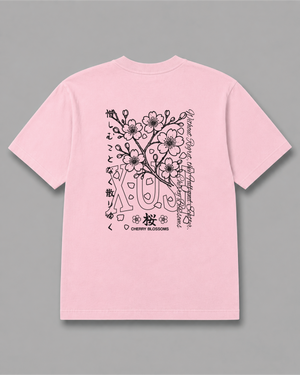
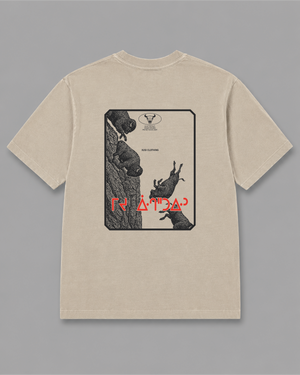
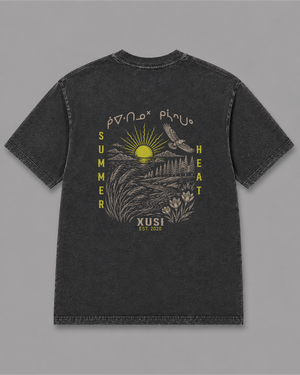
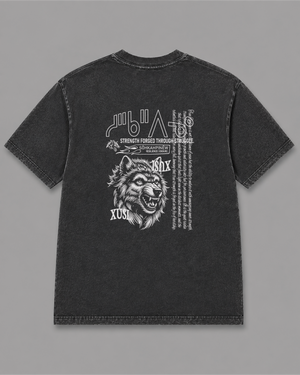
Up the highway from our Saskatoon print shop, Prince Albert is a regular destination for XUSI orders. As an Indigenous-owned brand, we send our hoodies, hats and tees to P.A. and the northern communities it serves.
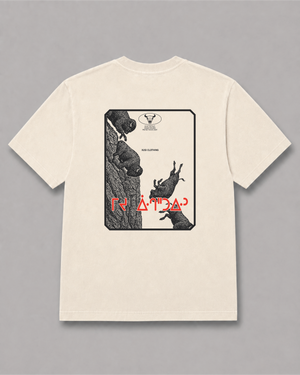
Prince Albert life moves between river, lake and forest. Out on a Prince Albert National Park lake in July, wear a breathable 100% cotton tee. A brimmed A-frame hat keeps the sun off. Fall walks beside the North Saskatchewan call for the Black Oni long sleeve. A Golden Era ringer works for a summer cultural night at the friendship centre. When January wind comes off the river, layer a heavy hoodie or the Revitalize Culture crewneck under your parka. A friendship centre youth group or a wildfire mitigation crew can also order custom hoodies. We print them in Saskatoon and ship them north.