
Indigenous Calgary: Treaty 7, Nations and Community
An introduction to Calgary: its history, the Nations whose lands it sits on, and Indigenous community life today, with sources.
About Calgary
Calgary grew where the Bow and Elbow rivers meet, and Indigenous names for the area, including the Blackfoot Mohkinstsis, refer to the elbow formed by the rivers. People have lived here for about 12,000 years, and the city is on the traditional territories of the Blackfoot Confederacy, the Îyâxe Nakoda Nations and the Tsuut’ina Nation within Treaty 7, and is home to many Métis people. The Tsuut’ina reserve borders the city’s southwest limits. Fort Calgary was built in 1875, and ranching gave way to energy after oil discoveries at Turner Valley and Leduc, turning the city into an energy and financial centre. Post-secondary options include the University of Calgary, Mount Royal University and SAIT. Each July the Calgary Stampede features Elbow River Camp, which celebrates the Kainai, Piikani, Siksika, Tsuut’ina and Stoney Nakoda nations with 26 tipis, traditional dancing, hand games and a youth powwow competition.
Calgary history
Treaty 7 was signed on September 22, 1877, at Blackfoot Crossing, the site the Siksika preferred over Fort Macleod. Crowfoot led the Siksika in the talks. Red Crow, head chief of the Kainai, arrived a day earlier and gave crucial assent. The Crown's commissioners were David Laird and James Macleod of the North-West Mounted Police. Historians generally agree that none of the Nations realized they were surrendering land. They understood the treaty as an agreement to share the country in peace. Interpreter Jerry Potts has been accused of having little fluency in their languages and a weak grasp of legal English. The post at the rivers' confluence was renamed Fort Calgary in 1876. The name is of Gaelic origin. The Canadian Pacific Railway arrived in 1883 and laid out the townsite. Calgary became a town in 1884 and a city in 1894. The city's history also includes St. Dunstan's Indian Industrial School. A student there, Jack White Goose Flying, died while attending. His remains were found at the school site in 1956 and moved to Queen's Park Cemetery in 1971. Calgary's reconciliation report now carries his name.
Treaty and territory
Calgary, Mohkinstsis in Blackfoot, is on Treaty 7 territory, home to the Siksika, Kainai, Piikani, Tsuut’ina and Stoney Nakoda Nations, and the Métis.
Nearby: Tsuut’ina Nation · Stoney Nakoda Nation · Siksika Nation · Cochrane · Airdrie · Okotoks
Indigenous Calgary today
The Calgary Aboriginal Urban Advisory Committee released the White Goose Flying report in 2016. It took the Truth and Reconciliation Commission's 94 calls to action and identified 43 the City could implement or support. The City then set up its Indigenous Relations Office to carry that work forward. An online dashboard now tracks progress across eight work streams. The Aboriginal Friendship Centre of Calgary works to build relations that lead to cultural connection and economic inclusion. It runs community outreach and cultural reconnection programs, youth programming and status card services. Its Navigation and Support Centre operates on 9 Avenue SE. Elders gather at the Kanakaa'tsinom Drop-in Centre on 16 Avenue NW. The centre also runs the Elders' Lodge and Bromley Place apartments, along with a seasonal Indigenous Warming Centre. Every November, the City proclaims Métis Week, a formal acknowledgment it has made annually for more than two decades. The 2024 launch with the Otipemisiwak Métis Government included a flag raising and Métis jigging. It also opened the Revealing Riel exhibit at The Confluence Cultural Centre, featuring personal letters and diaries of Louis Riel.
Life in Calgary
The 2021 census counted 1,306,784 people in Calgary. The Scotiabank Saddledome, built for the 1988 Winter Olympics, is home to the Calgary Flames. The Glenbow Museum is one of the city's major cultural institutions. The Fort Calgary Interpretive Centre tells the story of the 1875 post at the confluence. Heritage Park Historical Village recreates earlier eras of western Canadian life. Nose Hill Park, created in 1980, covers 1,129 hectares. It protects one of the most significant rough fescue grasslands left on the Canadian prairies. From its plateau, walkers see the Rocky Mountains, the Bow River valley and the plains to the east. The park also holds a Siksikaitsitapi, or Blackfoot Confederacy, landmark. Deer, coyotes, porcupines, hawks and harriers live there. Fish Creek Provincial Park adds the Bow Valley Ranch Visitor Centre and the Sikome swimming area.
Calgary seasons and weather
Calgary weather changes fast: chinook winds can bring mild spells in winter before the cold returns, so easy-to-shed layers like a hoodie over a tee work well. Summer evenings cool off quickly, so keep a light layer handy.
More on the region: Indigenous Alberta · all of Canada.
Keep learning in the XUSI Journal
- The Numbered Treaties, Explained
- Treaty Annuity Payments and Treaty Days, Explained
- First Nations, Métis and Inuit: What’s the Difference?
- How to Write a Land Acknowledgement That Means Something
- All Journal articles
Calgary questions
Where can a Calgary business learn about custom screen printing?
XUSI has a dedicated page for screen printing for Calgary. Orders need at least 10 garments, allow up to 4 colours per design with design help included, and every order is quoted before printing. Everything is printed in Saskatoon and shipped to Calgary.
Can I get free shipping to Calgary?
Yes, on orders of $90 or more, which ship free within Canada. Below that, shipping is calculated at checkout. Orders leave Saskatoon within 1–3 business days.
What should I wear to Elbow River Camp during the Calgary Stampede?
July in Calgary is usually warm by day, so a heavyweight 100% cotton tee ($49.95) or a Golden Era ringer tee ($39.95) works for the grounds. Our A-frame snapback ($44.95) gives shade while you watch the dancing. Bring a hoodie, since evenings can cool off quickly.
Does XUSI have designs that speak to Treaty 7 Nations in Calgary?
Many of our designs carry a Cree word and its story, explained on our meanings page, and we are based in Treaty 6 territory. A Calgary group that wants its own words or artwork can use our custom printing, which includes design help and needs at least 10 garments.
Last reviewed . Facts on this page come from the sources listed below.
Sources for this page
- Calgary – The Canadian Encyclopedia
- Treaty 7 – The Canadian Encyclopedia
- White Goose Flying Report Calls to Action – City of Calgary
- About Us – Aboriginal Friendship Centre of Calgary
- Nose Hill Park – City of Calgary
- Fish Creek Provincial Park – Alberta Parks
- City launches Métis Week with Otipemisiwak Métis Government – City of Calgary Newsroom
Indigenous clothing from XUSI
Calgarians can shop XUSI, an Indigenous-owned brand headquartered in Saskatoon, for tees, hoodies and hats shipped straight to the city, and local groups can also find a dedicated page for Calgary screen printing.
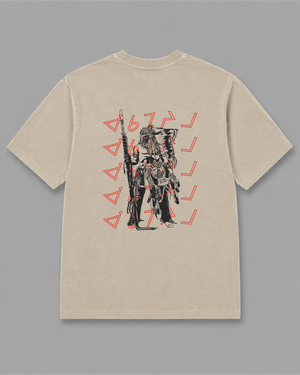
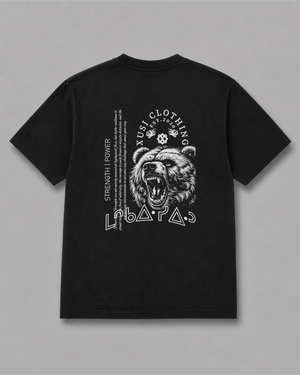
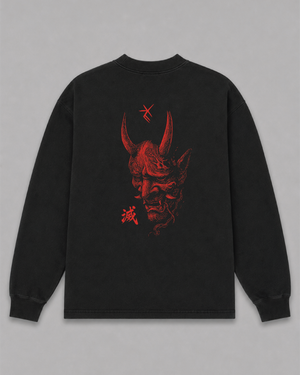
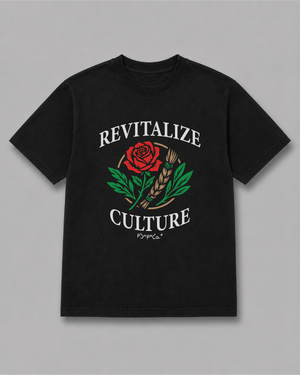
Calgary's weather keeps you guessing, and we like pieces that handle quick changes. A heavyweight hoodie over a tee suits a breezy walk across the Nose Hill plateau. You can shed it when a chinook rolls in. A heavyweight 100% cotton tee suits July at Elbow River Camp and long Stampede afternoons. Our A-frame snapback helps under the strong prairie sun. The Black Oni long sleeve is handy for a fall ride along Fish Creek. For a summer weekend at Heritage Park Historical Village, a Golden Era ringer tee keeps things relaxed. On a snowy November evening during Métis Week, a hoodie under your coat makes sense. At a Flames game in the Saddledome, the Revitalize Culture crewneck makes a warm, meaningful layer.