

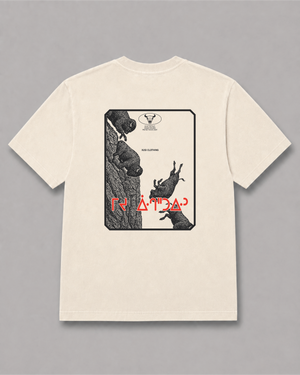

Tom Longboat was one of the most famous athletes in the world in the early 1900s. He was an Onondaga runner from Six Nations of the Grand River in Ontario. He won the Boston Marathon in record time, turned professional, and then carried messages on the Western Front in the First World War.
We think his story belongs in any conversation about Indigenous excellence in Canada. Here is what the official records say about him, and why his name still matters.
Who was Tom Longboat?
Thomas Charles Longboat was born on July 4, 1886, in Ohsweken, Six Nations of the Grand River. The Canadian Encyclopedia gives his Onondaga name as Gagwe:gih. Veterans Affairs Canada describes him as coming from the Six Nations Grand River Reserve near Brantford, Ontario.
Veterans Affairs Canada calls him "one of the most famous athletes of the early 20th century." His name was known across North America and overseas. Parks Canada notes he was among the first Canadian athletes to earn a living only through sport.
The early races
Longboat's rise was fast. At 19, he won a five-mile Victoria Day race in Caledonia, Ontario, in 1906. The next year he won the Around the Bay road race in Hamilton.
That Hamilton win was not close. The Canadian Encyclopedia says he beat his nearest competitor by over three minutes. People started paying attention.
The 1907 Boston Marathon
In 1907, Tom Longboat won the Boston Marathon in 2:24:24. According to The Canadian Encyclopedia, that broke the previous course record by five minutes. He was the first Indigenous person to win Boston and the third Canadian to do it.
The reaction at home was huge. An estimated 200,000 people turned out for a celebration in Toronto. In 1976, Parks Canada named him a National Historic Person. It cites him as a "famous long distance runner" who "won the 1907 Boston Marathon."
The 1908 London Olympics
Longboat went to the 1908 Olympic Games in London as a favourite for gold. He did not finish. Veterans Affairs Canada says he collapsed late in the race.
The Canadian Encyclopedia notes that the heat was extreme that day. More than half the field did not finish. Longboat said he had suffered sunstroke.
Going professional
After the Olympics, Longboat raced as a professional. He won Toronto's Ward Marathon three times, including in 1908. In 1909, he won the World's Professional Marathon Championship.
In 1912, he set a professional record for 15 miles, running it in 1:18:10. For a few years, he was one of the best-paid and best-known runners anywhere.
A training approach ahead of its time
Longboat trained in a way that looks familiar today. The Canadian Encyclopedia says he alternated hard workouts with lighter days and recovery periods. That kind of plan is now standard for distance runners.
At the time, sports writers called him lazy for it. The Canadian Encyclopedia describes that criticism as reflecting racist assumptions. History has proven him right.
Military service in the First World War
In February 1916, Tom Longboat enlisted in the Canadian Expeditionary Force. The Canadian Encyclopedia says he joined the 180th Battalion and then transferred to the 107th Battalion. Veterans Affairs Canada describes his role as a dispatch carrier with the 107th Pioneer Battalion.
Dispatch carriers moved messages between units along the front lines in France and Belgium. It was dangerous work. Veterans Affairs Canada says he was wounded twice and was once officially declared dead.
The Canadian Encyclopedia says he was wrongly reported dead at least twice. He kept going anyway. He even competed in the Canadian Corps Dominion Day competitions in 1918, and returned to Canada in 1919.
If you want to learn more about Indigenous service members, our article on Indigenous Veterans Day covers that day and why it exists.
Life after the war
Longboat's later life was quieter. The Canadian Encyclopedia says he worked a range of jobs, including 17 years cleaning streets for the City of Toronto. He also lived in Buffalo for a time.
He eventually returned home to Six Nations. Tom Longboat died of pneumonia in Ohsweken on January 9, 1949.
The Tom Longboat legacy
Recognition came in many forms. Both The Canadian Encyclopedia and Veterans Affairs Canada say he was in the first class inducted into Canada's Sports Hall of Fame in 1955. He joined the Ontario Sports Hall of Fame in 1996.
- 1951: the Tom Longboat Awards were created to honour Indigenous athletes.
- 1976: Parks Canada designated him a National Historic Person.
- 2000: Canada Post issued a stamp in his honour.
- 2008: Ontario proclaimed June 4 as Tom Longboat Day each year.
The Tom Longboat Awards
The Aboriginal Sport Circle runs the Tom Longboat Awards today. The organization says the awards were set up in 1951 to "recognize Indigenous athletes for their outstanding contributions to sport in Canada." It calls them the longest-standing and most prestigious Indigenous athletic honour in the country.
The process starts regionally. Nominations go to provinces and territories, which choose regional recipients. A national committee then selects two national winners from those regional recipients.
Nominees must be First Nations, Inuit or Métis and active during the program year. The Aboriginal Sport Circle also looks at sportsmanship, community image, lifestyle balance and athletic achievement. Check its site for current dates, since deadlines change each year.
Why his story matters to us
We are a clothing company, not a running club. But we care about movement, health and young people seeing themselves in stories of excellence. Tom Longboat is one of those stories.
He was told he trained wrong. He was told he was dead, more than once. He kept running. That is worth passing on.
It is part of why we run Strong Roots Strong Future, an interactive workshop for Indigenous youth. You can read more about who we are on our About page. If you are training this season, our hoodies and tees are made for the warm-up and the walk home.
Questions people ask
What nation was Tom Longboat from?
He was Onondaga, from Six Nations of the Grand River in Ontario. He was born in Ohsweken in 1886.
What was Tom Longboat's Boston Marathon time?
He won the 1907 Boston Marathon in 2:24:24. The Canadian Encyclopedia says that broke the course record by five minutes.
Who can win a Tom Longboat Award?
First Nations, Inuit and Métis athletes who were active in sport during the program year. The Aboriginal Sport Circle manages nominations and selection.
Did Tom Longboat serve in the war?
Yes. He enlisted in 1916 and served as a dispatch carrier in France and Belgium. He was wounded twice and came home in 1919.
Sources
- Tom Longboat, The Canadian Encyclopedia
- Tom Longboat, Canadian Soldier Olympian, Veterans Affairs Canada
- Longboat, Tom National Historic Person, Parks Canada
- Tom Longboat Awards, Aboriginal Sport Circle

Written by XUSI, an Indigenous-owned clothing and screen printing brand from Saskatoon on Treaty 6 territory. Our story · What the words mean