
Plenty of Saskatchewan organizations say they want to buy from Indigenous businesses. Fewer know where to find them, how to check them, or how to build it into purchasing. This guide is about the practical side of Indigenous procurement in Saskatchewan.
We are an Indigenous-owned clothing and screen printing company in Saskatoon, on Treaty 6 territory. We have printed for schools, post-secondary institutions and community groups. So we see this from the supplier side too.
If you want the case for why buying Indigenous matters, and what counts as Indigenous-owned, read Why buying from Indigenous-owned businesses matters. This article picks up where that one ends: the programs, directories and steps buyers can use.
The federal model: PSIB and the 5% target
The Government of Canada has run the Procurement Strategy for Indigenous Business (PSIB) since 1996. Indigenous Services Canada (ISC) says it exists to reduce barriers, advance reconciliation and support the growth of Indigenous businesses.
On top of PSIB, federal departments and agencies must award at least 5% of the total value of their contracts to Indigenous businesses. ISC says the target was phased in from 2022–23, with all departments expected to meet it by the end of fiscal 2024–25. Ninety-six federal organizations take part.
ISC reports that in 2023–24, Canada awarded over $1.24 billion in contracts to Indigenous businesses. That was 6.1% of eligible contracts, and about 40% of it came through set-asides.
How federal set-asides and participation plans work
According to ISC, a set-aside limits competition on a contract to Indigenous businesses. It becomes mandatory for procurements destined for an area where Indigenous people make up at least 51% of the population.
Departments can also ask bidders for an Indigenous Participation Plan. These plans can commit a supplier to Indigenous subcontracting, employment, training or skills development. ISC says those commitments become enforceable contract terms.
You do not have to be a federal department to borrow these ideas. A school division, health region or company can use the same tools on a smaller scale.
Where to find Indigenous suppliers
A good sourcing list starts with directories. Each one works differently, so it helps to know what a listing does and does not tell you.
| Directory | Run by | What a listing means |
|---|---|---|
| Indigenous Business Directory (IBD) | Indigenous Services Canada | Meets federal eligibility: at least 51% Indigenous-owned and controlled, with documented proof |
| Supply Change marketplace | Canadian Council for Indigenous Business (CCIB) | Certified Indigenous Business with 51% or more Indigenous ownership and control |
| Indigenous Business Directory (Saskatchewan) | Saskatchewan Chamber of Commerce | Business has self-declared as majority Indigenous-owned; not verified by the Chamber |
The federal Indigenous Business Directory
ISC says the IBD lists about 3,000 Indigenous-owned businesses. A listing means the business meets the eligibility criteria of being 51% Indigenous-owned and controlled.
ISC is clear that self-identification is not enough. Owners must provide proof such as Indian registration, Métis citizenship, or acceptance by an established Indigenous community.
CCIB certification and Supply Change
The Canadian Council for Indigenous Business, formerly known as CCAB, runs the Certified Indigenous Business (CIB) program. CCIB says it requires 51% or more Indigenous ownership and control, with supporting documents.
Certified businesses appear in Supply Change, which CCIB calls Canada's first Indigenous Procurement Marketplace. Buyers can search by product, service, geography and industry code, and post opportunities. CCIB reports growth from about 200 certified businesses and 40 corporate buyers at its 2018 launch to over 1,700 and 160 as of 2024.
The Saskatchewan Chamber directory
The Saskatchewan Chamber of Commerce publishes an Indigenous Business Directory. When we checked, it showed 596 Saskatchewan businesses. You can filter by city, by 20 business categories, and by First Nations or Métis.
The Chamber says its goal is to help more Indigenous businesses take part in the Saskatchewan supply chain. It also notes that it publishes information as provided and does not verify ownership percentages. Treat it as a discovery tool, then confirm details yourself.
A Saskatchewan example: SaskPower
Provincial Crown corporations have their own approaches. SaskPower has had an Indigenous Procurement Policy since 2012, last revised in January 2023.
The policy aims to "involve Indigenous people in economic opportunities and growth." It says SaskPower sets a corporate target for Indigenous procurement, tracked in its balanced scorecard and annual report. If you supply large Saskatchewan organizations, it is worth reading their supplier pages for similar policies.
Practical steps for buyers
Here is a simple approach any Saskatchewan organization can adapt.
- Look at what you already buy. Pull a year of spending and sort it by category. Look for recurring purchases, such as uniforms, event apparel, catering or printing.
- Pick one or two categories. Starting small lets you learn the process and build real supplier relationships.
- Search more than one directory. Use the federal IBD, CCIB's Supply Change and the Saskatchewan Chamber directory. They overlap, but not completely.
- Decide what proof you need. A self-declared listing and a certified listing are different. Set your standard before you go to market.
- Adjust your process. Consider set-aside competitions, invitational quotes, or participation plans like the federal ones. Break large contracts into sizes smaller suppliers can bid on.
- Give lead time. Many Indigenous businesses are small. Clear specs and realistic timelines help them quote accurately.
- Track and report. Set a target, measure it yearly, and share results. SaskPower's scorecard approach is one model.
What this looks like for custom apparel
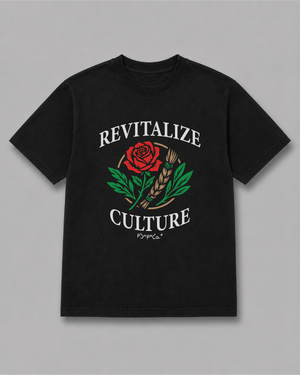
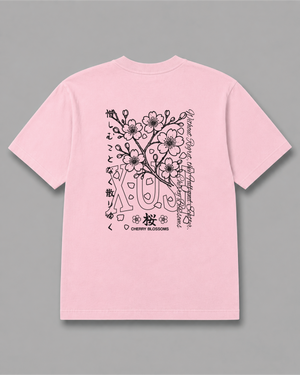
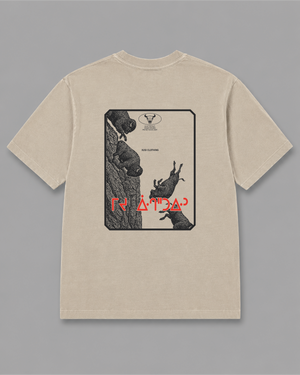
Apparel is an easy category to start with. Staff shirts, event tees and program hoodies are recurring purchases.
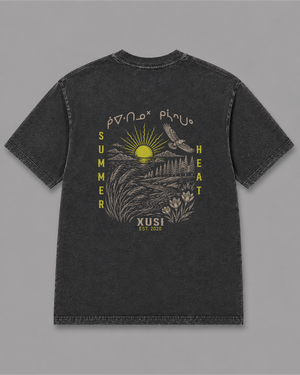
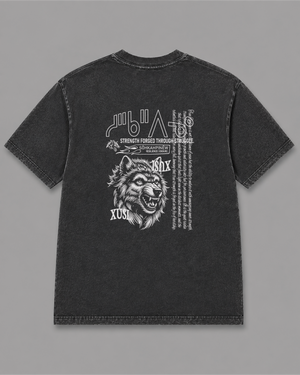
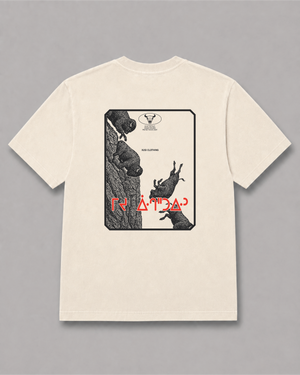
Our screen printing has a 10 garment minimum and up to 4 colours per design. Every order gets a full quote before anything is printed. Design help is included, and you get a full quote before anything is printed.
We have printed for the University of Saskatchewan, SIIT and the University of Regina, including program apparel for SIIT. For retail buyers, see our wholesale page.
Events, markets and everyday shopping
Procurement is not only for large organizations. Individual shoppers and small offices can help too.
- Check directories before you buy. The Saskatchewan Chamber directory can be searched by city and category.
- Visit Indigenous markets and events. Artisan markets, powwows and community events often include Indigenous vendors. Local listings and First Nations community pages are good places to watch.
- Shop Indigenous-owned retail. Our clothing is stocked at Wanuskewin locations. See our retail locations or shop the full collection online, with free shipping in Canada on orders over $90.
- Give gift cards as staff gifts. They move spending to Indigenous businesses with no guesswork on sizes.
Related reading: Treaty annuity payments and Treaty Days
Questions people ask
Is there a provincial Indigenous procurement target in Saskatchewan?
We did not find a single province-wide target in the sources we reviewed. Individual organizations, such as SaskPower, set their own policies and targets.
Which directory should I use for Indigenous procurement in Saskatchewan?
Use more than one. The federal IBD and CCIB certification involve documented proof. The Saskatchewan Chamber directory is broader but self-declared.
Can non-federal buyers use the federal Indigenous Business Directory?
The IBD is built for federal procurement. It can still be a useful starting point for any buyer researching suppliers.
What counts as an Indigenous business for federal contracts?
ISC says a business must be at least 51% Indigenous-owned and controlled, and listed on the IBD or a modern treaty business list.
Sources
- Indigenous Services Canada: Facts about federal Indigenous procurement policies and practices
- Indigenous Services Canada: Mandatory minimum 5% Indigenous procurement target
- Indigenous Services Canada: Learn how federal Indigenous procurement works
- Canadian Council for Indigenous Business: Certified Indigenous Business (CIB)
- Canadian Council for Indigenous Business: Supply Change
- Saskatchewan Chamber of Commerce: Indigenous Business Directory
- SaskPower: Indigenous Procurement Policy (PDF)

Written by XUSI, an Indigenous-owned clothing and screen printing brand from Saskatoon on Treaty 6 territory. Our story · What the words mean