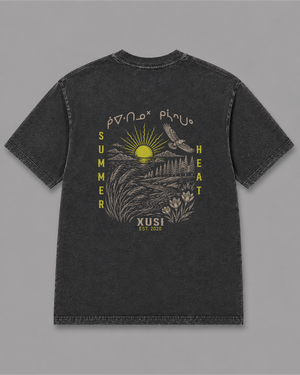
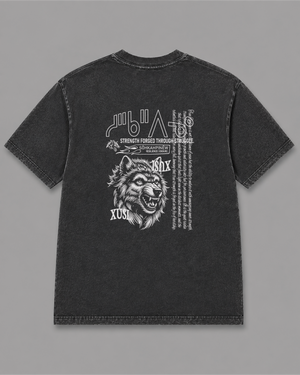
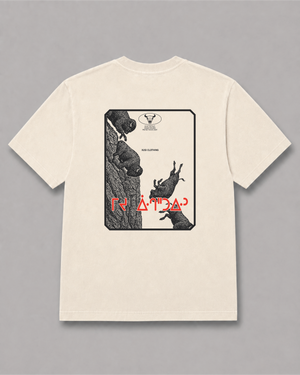

Every year, schools, workplaces and communities across Canada wear orange on September 30. If you are organizing shirts for your school, team or organization, this guide covers where the day comes from, how to order in a way that respects its purpose, and how to plan a bulk order in time.
Where Orange Shirt Day comes from
Orange Shirt Day grew out of the story of residential school survivor Phyllis Webstad, whose new orange shirt was taken from her on her first day at residential school in 1973. The orange shirt has come to stand for what was taken from Indigenous children in the residential school system, and for the message that every child matters. September 30 is also the National Day for Truth and Reconciliation in Canada.
For us this is personal. The generations before us went through residential schools, and we are the first generation in our family that did not have to endure that system directly. We donated the proceeds from our RISE crewnecks to the Orange Shirt Society. You can read about that on our community support page.
Order in a way that honours the day
- Buy from Indigenous-owned businesses. Money spent on orange shirts should support Indigenous people and communities, not someone profiting from the day.
- Consider giving back. Many organizations donate part or all of the proceeds to survivor-focused organizations such as the Orange Shirt Society. Decide this before you order, so you can tell the people wearing the shirts.
- Respect names and logos. If you want to use an organization's name or logo, check their published guidance or ask them first. The phrase "Every Child Matters" is licensed by the Orange Shirt Society, and the society says any merchandise using it needs its licence.
- Pair the shirt with learning. A shirt is a starting point. Share survivor stories and local history with the people wearing it.
Plan your bulk order early
September is the busiest month of the year for orange shirts, so start early.
- Set your deadline. Work back from September 30 and leave time for sizes, a proof and delivery.
- Collect sizes. Include youth sizes if students are taking part.
- Choose the design. Keep it simple and readable. If you are including an Indigenous language, have it checked by a speaker from the community it belongs to.
- Request a quote. At XUSI the minimum is 10 garments, designs can be up to 4 colours, and every order is quoted before printing.
- Approve the proof and confirm pickup or shipping.
For the full planning checklist, read how to order custom shirts for your school, team or event.
Custom orange shirts from an Indigenous-owned printer
XUSI is owned by two Indigenous brothers in Saskatoon, on Treaty 6 territory. We print custom apparel for schools, organizations and communities, with design help included. See our screen printing service or request a quote.

Written by XUSI, an Indigenous-owned clothing and screen printing brand from Saskatoon on Treaty 6 territory. Our story · What the words mean