
Indigenous Fort Qu’Appelle: Treaty 4, Nations and Community
An introduction to Fort Qu’Appelle: its history, the Nations whose lands it sits on, and Indigenous community life today, with sources.
About Fort Qu’Appelle
Fort Qu’Appelle sits in the Qu’Appelle Valley about 70 km northeast of Regina, between Echo Lake and Mission Lake. Treaty 4 was signed here on September 15, 1874, and every September the File Hills Qu’Appelle Tribal Council hosts the Treaty 4 Gathering, a week of learning and remembrance with a feast, student programs, a career fair and a powwow. The Treaty 4 Governance Centre is also located in town. Standing Buffalo Dakota Nation and Pasqua First Nation are the closest reserves. The Hudson’s Bay Company opened a post in 1864, and its 1897 store building remains a community landmark, as does the 1911 Grand Trunk Pacific railway station. A fish culture station founded in 1913 has supplied billions of fish to stock waters across the province. Today the town is a shopping, service and institutional centre for surrounding farms, lake resorts and valley recreation.
Fort Qu’Appelle history
The town takes its name from the Qu'Appelle River. An Anglican mission was established here in 1854, a decade before the Hudson's Bay Company built its provisioning post and district headquarters. The treaty talks of 1874 opened on September 8. Lieutenant-Governor Alexander Morris led the Crown side, with David Laird and former HBC man William J. Christie. Plains Cree chief Loud Voice, The Gambler and Chief Pasqua of the Saulteaux, and spokesperson Kamooses were among the Indigenous leaders. Saulteaux chiefs objected to meeting at the HBC post, saying the company had stolen their land. Pasqua demanded compensation for it. The treaty promised $5 a year per person and $25 for chiefs, with one square mile of reserve land per family of five. Hunting, fishing and trapping rights were kept. Adhesions continued into 1875, and reserve selection began in 1876. A North-West Mounted Police outpost opened in 1875, and Sitting Bull visited in 1881. The town lost its bid to become the territorial capital to Regina. During the North-West Resistance of 1885, General Middleton used Fort Qu'Appelle as his headquarters. It was incorporated as a town in 1951.
Treaty and territory
Fort Qu’Appelle is on Treaty 4 territory. Treaty 4 was signed at Fort Qu’Appelle in 1874 between the Crown and Cree and Saulteaux nations. It is also the homeland of the Métis.
Nearby: Lebret · Standing Buffalo Dakota Nation · Pasqua First Nation · B-Say-Tah · Fort San · Balcarres
Indigenous Fort Qu’Appelle today
The File Hills Qu'Appelle Tribal Council keeps its head office on Sioux Avenue. From there it runs Aboriginal Head Start on reserve, child care licensing, education, health, employment training and restorative justice programs. It also manages lands and resources, sports and recreation, and a healing centre. Its business arms include FHQ Developments, FHQ eCommerce and Keseechiwan Holdings. The town's hospital tells a story of First Nations-led health care. All Nations' Healing Hospital opened on June 12, 2004, replacing the Fort Qu'Appelle Indian Hospital that had operated since 1935. It is owned and operated by the File Hills Qu'Appelle Tribal Council and the Touchwood Agency Tribal Council. It has 14 acute care beds, an emergency department and 24-hour physician services. The hospital brings Indigenous and Western medicine together under one roof. Patients can reach traditional knowledge keepers, four of them on staff, along with traditional medicines and spiritual counselling. Staff speak five Indigenous languages among them. The building was designed around the relationship between mind, spirit, body and community. Its mission is to deliver safe, wholistic health services and research for the communities it serves.
Life in Fort Qu’Appelle
Fort Qu'Appelle had 2,034 residents in the 2011 census, up from 1,919 in 2006. The town has prospered on the recreation potential of its lakes, while mixed farming dominates the surrounding land. Next door, Echo Valley Provincial Park opens Echo and Pasqua lakes to swimmers, anglers and picnickers. Its hiking paths lead to wide views across the Qu'Appelle Valley. The beach area has lawns, playgrounds, a pavilion and change rooms. In town, the Qu'Appelle Valley Centre for the Arts on 4th Street West hosts dance classes, music lessons and concerts. A Saturday morning farmers market runs from 9 a.m. to 1 p.m. The Legion on Company Avenue anchors community life with Friday suppers, meat draws, darts, crib and shuffleboard. Floor curling leagues keep people busy through the winter months. A town campground offers daily camping for visitors who want to stay close to the lakes and explore the valley.
Fort Qu’Appelle seasons and weather
Valley winters can be cold and windy along the frozen lakes, so a thick hoodie beneath a winter coat is a smart base. Summer lake days call for breathable tees and a hat for the sun.
More on the region: Indigenous Saskatchewan · all of Canada.
Keep learning in the XUSI Journal
- Treaty 4 Explained: The 1874 Qu'Appelle Treaty
- The Numbered Treaties, Explained
- Métis History in Saskatchewan: Places to Learn and Visit
- Residential Schools in Saskatchewan: Where to Start Learning
- All Journal articles
Fort Qu’Appelle questions
Can a Fort Qu’Appelle school group order matching printed shirts?
Custom screen printing starts at 10 garments, with up to 4 colours per design, and every order is quoted before printing. XUSI helps with the design, prints everything in Saskatoon and ships the order to Fort Qu’Appelle.
Do orders to Fort Qu’Appelle ship free?
Orders totalling $90 or more ship free within Canada, including to Fort Qu’Appelle. Smaller orders have shipping calculated at checkout, and every order leaves Saskatoon within 1–3 business days.
Is there a XUSI piece that fits the Treaty 4 Gathering in Fort Qu'Appelle?
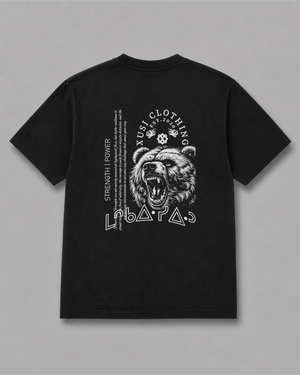
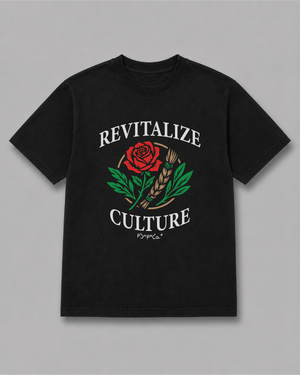
The gathering runs each September, when valley days are warm and evenings turn cool. A heavyweight tee ($49.95) works during the powwow, and the Revitalize Culture crewneck ($89.95) is a good evening layer. Many of our designs carry a Cree word and story, explained on our meanings page.
What should I wear for a summer day at Echo Valley Provincial Park?
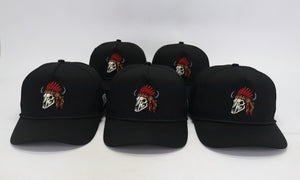
For beach time and hiking the valley trails at Echo Valley, a heavyweight 100% cotton tee ($49.95) or a Golden Era ringer tee ($39.95) keeps things simple. Our A-frame snapback ($44.95) adds shade on the open beach or out fishing on Echo and Pasqua lakes.
Last reviewed . Facts on this page come from the sources listed below.
Indigenous clothing from XUSI
In the heart of the Qu’Appelle Valley, Fort Qu’Appelle shoppers can get apparel from XUSI, a Saskatoon company owned by Indigenous people that mails tees, hoodies and hats across Saskatchewan.
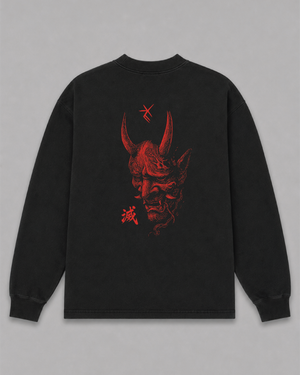
Life in the Qu'Appelle Valley moves between lake days and prairie winters, and we think our pieces fit both. A heavyweight 100% cotton tee handles a hot afternoon on the beach at Echo Valley. An A-frame snapback keeps the sun off while you fish Pasqua Lake. For the September Treaty 4 Gathering, when valley evenings start to cool, the Revitalize Culture crewneck makes a warm, meaningful layer. A hoodie suits Saturday mornings at the farmers market in spring and fall. Winter floor curling at the Legion is a good excuse for the Black Oni long sleeve.