
Indigenous Île-à-la-Crosse: Treaty 10, Nations and Community
An introduction to Île-à-la-Crosse: its history, the Nations whose lands it sits on, and Indigenous community life today, with sources.
About Île-à-la-Crosse
Île-à-la-Crosse occupies a peninsula on Lac Île-à-la-Crosse, part of the upper Churchill River system in northwest Saskatchewan. Its Cree name, Sakitawak, is translated as the place where the rivers meet, and the Dene name Kwoen signifies a place where people stay. Fur traders from Montreal built the first post here in 1776, making it the province’s second-oldest continuously inhabited community after Cumberland House. A Métis community grew around the Hudson’s Bay Company post and the Roman Catholic mission founded in 1846, and most residents today identify as Métis. The local speech is rooted in Northern Plains Cree with borrowings from mission and Métis French, and Michif is also spoken. Sara Riel, sister of Louis Riel, worked at the convent and is buried in the community cemetery. Rossignol Elementary, designed by architect Douglas Cardinal, and Rossignol High School serve students, and Highways 155 and 908 provide road access.
Île-à-la-Crosse history
The French name comes from a game. The Encyclopedia of Saskatchewan says fur traders watched lacrosse being played on a nearby island. Voyageurs called the sticks la crosse because they looked like a bishop's crozier. Location made this peninsula valuable. Methy Portage led north to the fur-rich Athabasca country, and the Beaver River led south toward pemmican supplies. Other routes ran on to Hudson Bay or Montreal. The Hudson's Bay Company tried to move in by 1799 but met fierce competition from the North West Company. After the two companies merged in 1821, Île-à-la-Crosse became the Bay's territorial headquarters. Fathers Alexandre-Antonin Taché and Laflèche arrived in 1846 to found the first Roman Catholic mission in what is now Saskatchewan. The mission and school became known as Château St. Jean. Louis Riel's paternal grandparents were married here. A Catholic boarding school operated in the community from 1860 into the mid-1970s. Mostly Métis children attended, along with First Nations children. At different times, both the provincial and federal governments were involved in running it. Its students were later left out of the Indian Residential Schools Settlement Agreement because the school did not fit the federal definition.
Treaty and territory
Île-à-la-Crosse is on Treaty 10 territory, the lands of the Cree and Dene, and is a historic Métis community in northwest Saskatchewan.
Nearby: Beauval · Buffalo Narrows · Patuanak · English River First Nation · Canoe Lake Cree First Nation
Indigenous Île-à-la-Crosse today
In July 2026, Île-à-la-Crosse marked 250 years as a community. The Northern Village and the ILEX250 committee hosted a festival from July 3 to 8. It featured canoe races, Métis and Cree storytelling, a Michif marketplace, workshops and historical exhibits. A square dancing and jigging contest carried a $25,000 prize. Programming also helped reconnect families who had moved away with places tied to their history. Mayor Myra Malboeuf called it a celebration of the people, not only their history. Sponsors included Métis Nation–Saskatchewan and the Sakitawak Development Corporation. The community has also pressed for justice for boarding school survivors. Métis Nation–Saskatchewan signed a memorandum of understanding with Canada and a survivor steering committee in 2019. Premier Scott Moe apologized to survivors and families in September 2025. Proposed settlements include $27 million for experience payments and a legacy fund, plus $40.2 million for abuse claims and related costs. Federal funding of $10 million is set aside for healing, language and commemoration. An approval hearing was scheduled in Saskatoon for March 30 and 31, 2026. The Sisters of Charity still play a prominent role in community life.
Life in Île-à-la-Crosse
Île-à-la-Crosse had 1,425 residents in the 2021 census. The village sits at the base of its peninsula, surrounded by northern boreal forest and open water. Tourism Saskatchewan places it about 65 kilometres southeast of Buffalo Narrows. Visitors will find gas, diesel, propane, food and lodging in town. The local economy draws on the land and water around it. Commercial fishing, forestry and wild rice harvesting remain important, along with uranium mining, tourism and government work. The lake itself is the community's great open space. The Encyclopedia describes Lac Île-à-la-Crosse as an expansion of the Churchill River. During the 250th anniversary, canoe races and boat tours put that water at the centre of the celebration. Tours travelled to Beaver River, Sandy Point and Fort Black, sites tied to the region's development. Community planning is looking ahead too. The Northern Village adopted a new Official Community Plan and Zoning Bylaw in February 2020. Municipal support comes through the province's Northern Municipal Services.
Île-à-la-Crosse seasons and weather
Northern boreal winters are long and very cold, and travel across the lake and trails means wind exposure, so heavy layers over a hoodie are essential. Short summers bring mild days when a tee and a hat are enough.
More on the region: Indigenous Saskatchewan · all of Canada.
Keep learning in the XUSI Journal
- The Numbered Treaties, Explained
- Métis History in Saskatchewan: Places to Learn and Visit
- Residential Schools in Saskatchewan: Where to Start Learning
- Treaty Annuity Payments and Treaty Days, Explained
- All Journal articles
Île-à-la-Crosse questions
Can orders be sent to a northern village like Île-à-la-Crosse?
Yes. Orders ship from Saskatoon and leave within 1–3 business days. The shipping cost is shown at checkout, and orders of $90 or more ship free within Canada.
Could a school or Métis organization in Île-à-la-Crosse order custom shirts?
Custom screen printing is available with a 10-garment minimum, up to 4 colours per design, and every order is quoted before printing. XUSI includes design help, prints in Saskatoon and ships the garments north to the group.
Can a Métis local or festival committee order shirts for a community celebration?
Yes. Our custom screen printing starts at 10 garments, with up to 4 colours per design, and every order is quoted before printing. Design help is included, so a committee can build a design around a canoe race, a jigging contest or a local anniversary. We print in Saskatoon and ship north.
What should I wear for a canoe trip on Lac Île-à-la-Crosse?
Dress in layers you can add or peel off on open water. A heavyweight cotton tee works in the heat of the day, and our A-frame snapback keeps sun off your face. Pack the Black Oni long sleeve or a hoodie for cool evenings at camp, along with proper rain and safety gear.
Last reviewed . Facts on this page come from the sources listed below.
Sources for this page
- Ile-à-la-Crosse – The Encyclopedia of Saskatchewan
- Planning for Growth Northern Program: Île-à-la-Crosse
- Ile a la Crosse – Tourism Saskatchewan
- Île-à-la-Crosse celebrates 250 years with week-long festival – MBC Radio
- One of Canada's oldest northern communities celebrates 250 years – paNOW
- Battle for compensation for Métis survivors of Île-à-la-Crosse School nears end – APTN News
- Île-à-la-Crosse School victims sign proposed settlement – Global News
Indigenous clothing from XUSI
People in Île-à-la-Crosse can order apparel from XUSI, an Indigenous-owned brand in Saskatoon whose tees, hoodies and hats ship across the province, including to communities on the upper Churchill River.
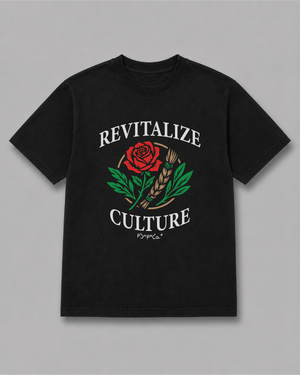
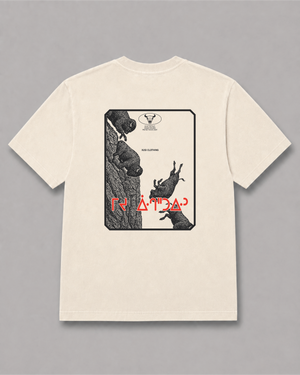
Life on Lac Île-à-la-Crosse follows the water and the seasons, and we like to dress for that. A heavyweight 100% cotton tee and an A-frame snapback suit a July canoe race or a summer day on the fishing boat. For wild rice season, when early mornings are cool on the lake, add the Black Oni long sleeve. Once freeze-up comes, a hoodie from our $59.95 to $89.95 range is a warm layer under a parka for trail and ice travel. The Revitalize Culture crewneck makes sense for a jigging night or a gathering in the community hall. Many of our designs carry a Cree word and its story, which may speak to families here whose speech is rooted in Cree.