
Indigenous Weyburn: Treaty 4, Nations and Community
An introduction to Weyburn: its history, the Nations whose lands it sits on, and Indigenous community life today, with sources.
About Weyburn
Weyburn lies on the Souris River, roughly 110 km southeast of Regina and about 70 km north of the North Dakota border. Its name is reputedly a corruption of the Scottish wee burn, meaning a small creek. Two rail lines built in the 1890s opened the district to homesteaders, and today Weyburn is described as the largest inland grain gathering point in Canada, with oil and gas exploration as its other economic pillar since the 1950s. Southeast College offers technical programs locally. Visitors can explore the Soo Line Historical Museum, the Turner Curling Museum, the Allie Griffin Art Gallery inside the public library, and the T.C. Douglas Centre, set in the 1906 church where Tommy Douglas preached his first sermon. Author W.O. Mitchell also grew up here. The former Saskatchewan Hospital, opened in 1921, was once called the largest building in the British Commonwealth.
Weyburn history
Weyburn stands on Treaty 4 territory. Southeast College, which runs a campus here, describes the region as the original lands of the Cree, Ojibwe, Saulteaux, Dakota, Nakota and Lakota. It is also part of the homeland of the Métis Nation. The town itself grew from a railway stop. According to the City of Weyburn, settlers began arriving in 1899, and a community took shape around a station house and freight shed. The year 1902 brought a wave of American newcomers and new businesses, and Weyburn became a village that year. It reached city status on September 1, 1913. The Métis Nation–Saskatchewan local notes that railroad workers helped establish the settlement along the Souris River. Besides the wee burn story, a second account credits a railway man who supervised the laying of steel for the name. The city’s heritage list includes City Hall, the courthouse, the King George Hotel, the water tower and the Weyburn Security Bank. It also names the first and second hospitals, Signal Hill and the Powell and Salemka residences. The city’s history pages also document the Weyburn Electric Light and Machine Company. The Weyburn Genealogical Society keeps its collections at the public library. The population grew from 9,433 in 2006 to 10,484 in 2011.
Treaty and territory
Weyburn is on Treaty 4 territory, the lands of the Cree, Saulteaux, Nakota, Dakota and Lakota peoples, and the homeland of the Métis.
Nearby: Yellow Grass · Radville · Midale · Ogema · Estevan
Indigenous Weyburn today
In June 2021, staff at Weyburn City Hall and members of the Weyburn Arts Council painted the building’s windows. A city spokesperson said the work acknowledged that Weyburn sits on Treaty 4 territory. Orange was added to recognize First Nations’ place in Canadian history. On June 11, 2024, students from every Weyburn elementary school gathered in Jubilee Park for Indigenous Peoples Day activities. Both school divisions, the city and several local groups planned it. Ocean Man First Nation and Pheasant Rump First Nation took part. Students tried drumming and singing, tipi raising, lacrosse, traditional games and a story walk called Honouring the Buffalo. On January 22, 2025, Southeast College opened a Reconciliation Education Centre at its Weyburn campus. Elder Lorna Standingready blessed the room, and Ocean Man First Nation youth drummers performed. The college’s Indigenous action plan calls for Elders to guide students and staff, stronger student supports and more Indigenous content. Métis citizens in the area are represented by Métis Nation–Saskatchewan Local 87 Weyburn, part of Eastern Region III. The region coordinates citizenship matters, events, bursaries and scholarships.
Life in Weyburn
The City of Weyburn describes itself as a growing regional centre for southeast Saskatchewan. Agriculture remains the dominant industry. The Souris River shapes much of local recreation. Nickle Lake Regional Park sits on the lake and river near town, with a sandy beach, two boat launches and 342 campsites. Anglers fish for walleye, perch and pike, and the lake is stocked from time to time. Power boats and personal watercraft are allowed. An 18-hole golf course lies about three miles from the park. In town, the Tatagwa Trail System turns into cross-country ski trails in winter. Mountain bikers ride the Souris Singletrack Trails. The Weyburn and Area Heritage Village and the Cugnet Centre add to the city’s museums and arts spaces. Community events include Culture Days, Jane’s Walk Weyburn and Wey-Clean Week.
Weyburn seasons and weather
Southeast Saskatchewan swings between hot summer afternoons and bitterly cold winter days, so it pays to own a light tee for July and a warm hoodie for layering under a parka in January.
More on the region: Indigenous Saskatchewan · all of Canada.
Keep learning in the XUSI Journal
- Treaty 4 Explained: The 1874 Qu'Appelle Treaty
- The Numbered Treaties, Explained
- Métis History in Saskatchewan: Places to Learn and Visit
- Residential Schools in Saskatchewan: Where to Start Learning
- All Journal articles
Weyburn questions
Is there a pickup option for people in Weyburn?
Local pickup is offered only in Saskatoon, so Weyburn orders are shipped. They leave Saskatoon within 1–3 business days, and the shipping charge is calculated at checkout.
What happens if a gift I send to Weyburn doesn’t fit?
A return can be requested within 30 days. When buying several gifts at once, note that orders of $90 or more ship free within Canada.
Can a Weyburn school or college group order shirts for Indigenous Peoples Day?
Yes. Weyburn schools have held Indigenous Peoples Day activities in Jubilee Park, and our custom screen printing suits groups like these. The minimum order is 10 garments, with up to 4 colours per design, and every order is quoted before printing. Design help is included, and we print in Saskatoon.
What should I bring to Nickle Lake for a summer weekend?
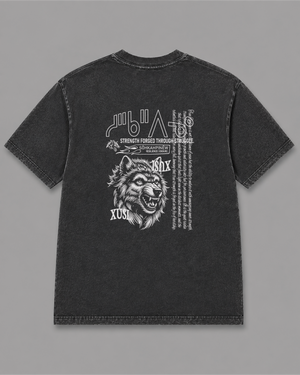
For beach and boat days at Nickle Lake, our heavyweight 100% cotton tee, $49.95, has a generous fit for hot afternoons. An A-frame snapback, $44.95, helps with the sun. For cooler evenings at the campsite, we suggest a hoodie from our $59.95 to $89.95 range.
Last reviewed . Facts on this page come from the sources listed below.
Sources for this page
- History & Heritage – City of Weyburn
- City of Weyburn
- About Southeast College
- Reconciliation education centre opens in Weyburn – Prince Albert Daily Herald
- Students explore Indigenous traditions at Jubilee Park – DiscoverWeyburn
- City Hall's Windows Painted for Indigenous History Month – DiscoverWeyburn
- Nickle Lake – Saskatchewan Regional Parks
- Local 87 Weyburn – Métis Nation–Saskatchewan Eastern Region III
Indigenous clothing from XUSI
XUSI is an Indigenous-owned apparel brand based in Saskatoon, and Weyburn customers can order its tees, hoodies and hats online for delivery anywhere in the city.
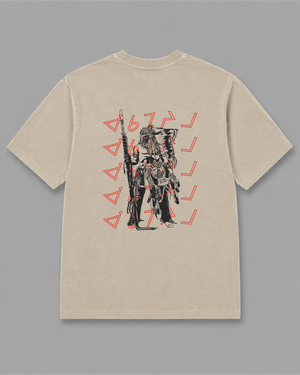
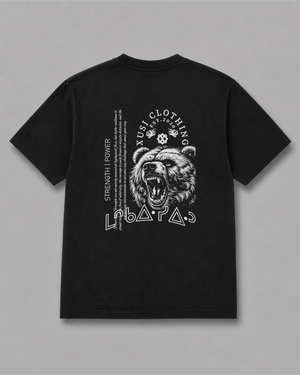
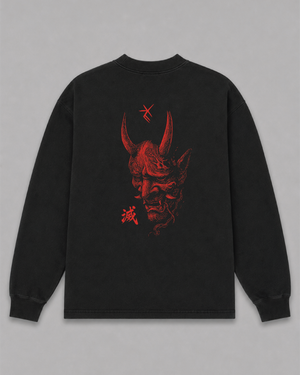
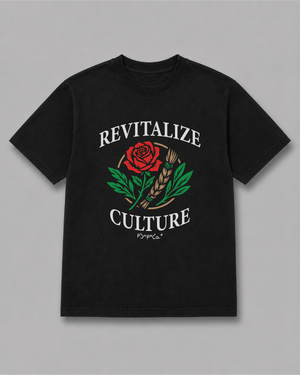
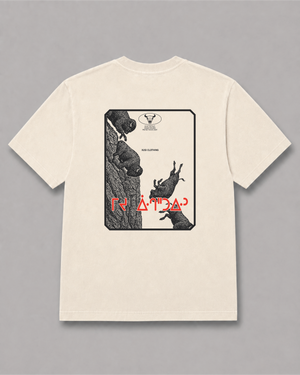
Weyburn’s year runs from lake days to ski trails, and we like pieces that follow along. At Nickle Lake in July, our heavyweight cotton tee and an A-frame snapback handle sun on the beach or the boat launch. For an early morning walleye trip, the Black Oni long sleeve takes the chill off the water. When the Tatagwa trails fill with snow, one of our hoodies layers well under a ski jacket. The Revitalize Culture crewneck suits a fall walk past the heritage buildings downtown. We ship everything from Saskatoon across the province to you.