
Indigenous Gatineau: Unceded Algonquin Territory, Nations and Community
An introduction to Gatineau: its history, the Nations whose lands it sits on, and Indigenous community life today, with sources.
About Gatineau
Gatineau lines the north bank of the Ottawa River opposite the national capital and is the main urban centre of the Outaouais region. The present city was created in 2002 by merging Hull, Aylmer, Buckingham, Masson-Angers and the former municipality of Gatineau, and it is often described as the most bilingual city in Canada. Federal departments fill large office complexes such as Place du Portage, making the public service a major employer. The Canadian Museum of History and Gatineau Park, one of the largest urban parks in the world, attract many visitors, and the Université du Québec en Outaouais is based here. Algonquin (Anishinaabe) peoples have lived along the Ottawa and Gatineau rivers for millennia. Up the Gatineau River near Maniwaki, Kitigan Zibi Anishinabeg counts more than 3,000 registered members and operates its own cultural centre, and it holds a powwow on the first weekend of June.
Gatineau history
The city's name likely comes from the Anishinaabemowin river name Tenàgàdino Zìbì. The current spelling first appears on a map from 1821. The Chaudière Falls are described as one of the most important places for the Algonquin. Algonquin people first met Europeans in 1603, when Samuel de Champlain arrived. They became French allies in the fur trade and built military and trade alliances with both Indigenous and French partners. Communities were organized into patrilineal clans, and respected Elders and clan heads provided leadership. European traders were active along this shore by the 1760s. Farming and timber families arrived between 1796 and 1799 and built a settlement known as Wright's Town. It was renamed Hull in 1875. Lumber and paper mills drove its growth, and the population doubled from 7,000 in 1881 to 14,000 in 1901. On April 26, 1900, a fire broke out in Hull. Within hours it had spread across the river to Ottawa, and it destroyed two-thirds of Hull. In the mid-20th century, the federal government began moving offices to the Quebec side of the river. Today's city took shape when Aylmer, Buckingham, Gatineau, Hull and Masson-Angers were amalgamated.
Treaty and territory
Gatineau is on the unceded territory of the Anishinābe Algonquin Nation.
Nearby: Ottawa · Chelsea · Cantley · La Pêche · Kitigan Zibi Anishinabeg
Indigenous Gatineau today
The 2021 census recorded 30,390 people with Algonquin ancestry, whose lands centre on the Ottawa River and its tributaries. The Algonquin language, Omàmiwininìmowin, is endangered. Only 1,925 people reported knowing it in 2021, and communities are working to keep it alive through education. Up the Gatineau River in Maniwaki, Kitigan Zibi Anishinabeg describes its members as the River Desert People. The community was established in 1851. Its education department shares Anishinabemowin language resources. It also runs a police department, health and social services, and a youth council, and it publishes regular newsletters on community life. The community describes its aim as a healthy community built on cooperation, one that preserves its traditions and history. In the city itself, the Canadian Museum of History acknowledges that it stands on the unceded territory of the Algonquin Anishinabeg. Its First Peoples Hall is a permanent exhibition on the enduring traditions of Indigenous peoples. The Grand Hall presents First Peoples of the Northwest Coast and a Tsimshian history exhibition.
Life in Gatineau
The 2021 census counted 291,041 people in Gatineau, up from 276,245 in 2016, making it Quebec's fourth-largest city. About 75% of residents have French as their mother tongue, and 64% speak both French and English. In 2020, the city held nearly 32,000 federal positions, and a high-tech sector is growing beside them. Gatineau Park covers more than 361 square kilometres and is the second-most visited park in Canada. Pink Lake, Meech Lake and Philippe Lake are among its best-known spots. The Mackenzie King Estate, Lusk Cave and nearby Luskville Falls draw visitors too. In winter, the park turns to cross-country skiing, snowshoeing, winter hiking and snow biking. The Canadian Museum of History, designed by Douglas Cardinal, opened on June 29, 1989. It was renamed from the Canadian Museum of Civilization in 2013. With about 1.2 million visitors a year, it is Canada's most visited museum and holds more than four million artifacts.
Gatineau seasons and weather
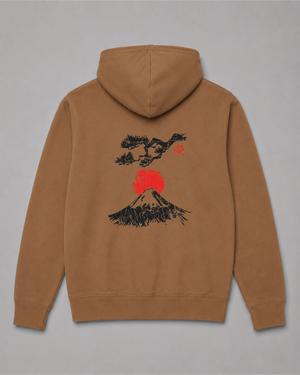
Gatineau shares Ottawa’s climate of cold, snowy winters and hot, humid summers. Cross-country skiers in Gatineau Park and commuters alike tend to layer a hoodie under a winter shell.
More on the region: Indigenous Quebec · all of Canada.
Keep learning in the XUSI Journal
- First Nations, Métis and Inuit: What’s the Difference?
- How to Write a Land Acknowledgement That Means Something
- Orange Shirt Day & the National Day for Truth and Reconciliation
- National Indigenous Peoples Day and History Month: A Guide
- All Journal articles
Gatineau questions
Can I order in French from Gatineau?
The XUSI website is English only, but orders ship to Gatineau from Saskatoon and leave within 1–3 business days.
Can a Gatineau school group get custom printed tees?
Yes, for 10 garments or more. Each design can have up to 4 colours, design help is included, and every order is quoted before printing. Pieces are printed in Saskatoon and shipped to Gatineau.
What should I wear for a hike in Gatineau Park?
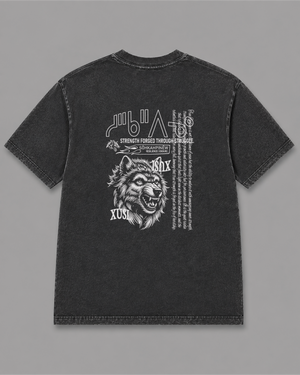
In summer, a heavyweight 100% cotton tee ($49.95) and an A-frame snapback ($44.95) handle warm trails around Pink Lake. In spring and fall, add the Black Oni long sleeve ($54.95) or a hoodie. In winter, wear a hoodie as a mid-layer under your jacket for snowshoeing.
Are XUSI's designs in Anishinabemowin or Omàmiwininìmowin?
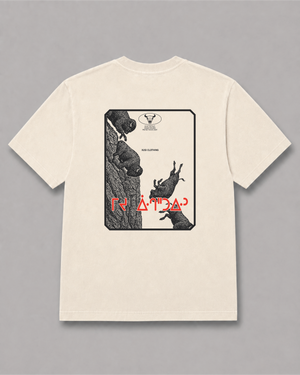
Our designs carry Cree words and stories, explained on our meanings page. For a Gatineau or Kitigan Zibi group that wants Algonquin words or its own artwork, custom printing includes design help and starts at 10 garments. The group chooses and approves the wording before we print.
Last reviewed . Facts on this page come from the sources listed below.
Indigenous clothing from XUSI
Just across the Ottawa River from Parliament, Gatineau is part of XUSI’s delivery area. The Indigenous-owned brand ships tees, hoodies and hats from Saskatoon to the Outaouais.
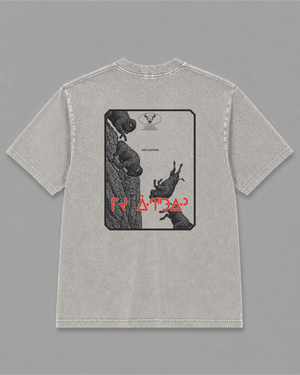
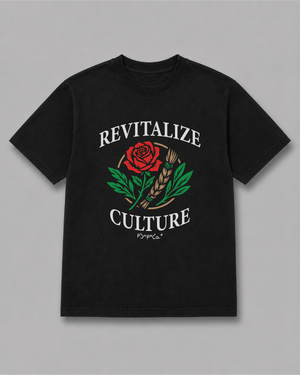
Gatineau's year moves between summer lake days and serious winter, and we think our pieces can keep up. A heavyweight 100% cotton tee suits a hot afternoon at Meech Lake or Philippe Lake. Our A-frame snapback shades you on the walk around Pink Lake. When fall colour fills Gatineau Park, the Black Oni long sleeve works for a cool hike toward Lusk Cave. In winter, a hoodie under a shell makes a warm layer for snowshoeing or snow biking on park trails. For a slow afternoon in the Canadian Museum of History, the Revitalize Culture crewneck is a comfortable, meaningful choice. For a snowy February commute across the bridges to Ottawa, a heavyweight hoodie under your parka keeps you warm without bulk.