
June is National Indigenous History Month in Canada. On June 21, the month reaches National Indigenous Peoples Day. Both are a time to learn about First Nations, Inuit and Métis peoples, and to celebrate with them.
We are an Indigenous-owned clothing company in Saskatoon, on Treaty 6 territory. June is a busy, meaningful month for us. This guide covers where the day came from, why it falls on June 21, and how to take part well.
What National Indigenous Peoples Day is
Crown-Indigenous Relations and Northern Affairs Canada (CIRNAC) describes the day as a celebration of First Nations, Inuit and Métis traditions and contributions. The Canadian Encyclopedia notes that events across Canada include cultural performances, arts and crafts displays, and events that recognize contributions by Indigenous people.
The day is a national observance, not a federal statutory holiday. According to the Canadian Encyclopedia, it has been a statutory territorial holiday in the Northwest Territories since 2001 and in Yukon since 2017.
June 21, 2026 marked the 30th anniversary of the day, according to CIRNAC.
How the day was created
The day took shape over several years. CIRNAC lays out the timeline:
- 1982: The National Indian Brotherhood, now the Assembly of First Nations, called for a National Aboriginal Solidarity Day.
- 1995: The Sacred Assembly called for a national holiday to celebrate the contributions of Indigenous Peoples. The same year, the Royal Commission on Aboriginal Peoples recommended a National First Peoples Day.
- 1996: Governor General Roméo LeBlanc declared June 21 of each year as National Aboriginal Day.
- 2017: The Prime Minister announced the intention to rename it National Indigenous Peoples Day.
The Canadian Encyclopedia adds some context. Quebec became the first jurisdiction to mark June 21 as an Indigenous celebration day, in 1990. The encyclopedia also places the 1996 announcement after the Oka Crisis of 1990 and the Ipperwash Crisis of 1995.
Why June 21
June 21 is the summer solstice, the longest day of the year. CIRNAC explains that the solstice holds deep spiritual and cultural significance for many Indigenous Peoples. It marks a time of renewal, connection and celebration.
The Canadian Encyclopedia says the date was chosen for its important symbolism to many Indigenous peoples. Traditions and meanings differ from Nation to Nation. If you want to learn what the solstice means to a specific community, the best people to ask are that community's own knowledge keepers and organizations.
National Indigenous History Month
The month came later than the day. CIRNAC says the House of Commons designated June as National Aboriginal History Month in 2009. The name changed to National Indigenous History Month in 2017.
CIRNAC frames the month as a time to learn about the unique cultures, traditions and experiences of First Nations, Inuit and Métis. It also calls it a moment to recognize the ongoing impacts of colonization and to reflect on how we can all contribute to reconciliation.
That gives the month two sides. There is celebration, and there is honest learning. Both belong in June.
How to take part in Saskatoon and Saskatchewan
CIRNAC suggests simple, practical ways to take part. They include reading books by Indigenous authors, attending events and community gatherings, watching films or performances, and listening to music by Indigenous artists. It also points to learning history through resources such as the National Centre for Truth and Reconciliation.
Go to local events
Saskatoon has a full calendar in late June. For 2026, the University of Saskatchewan listed several events from June 19 to 21:
- Rock Your Roots: Walk for Reconciliation, at Victoria Park.
- A free community BBQ by Métis Nation–Saskatchewan.
- National Indigenous Peoples Day celebrations at Wanuskewin on June 21.
- A community film screening and a Métis Market at Remai Modern.
The City of Saskatoon describes Rock Your Roots as a walk hosted by Reconciliation Saskatoon, which the City co-chairs. It gathers Indigenous, non-Indigenous and newcomer peoples. Past Wanuskewin celebrations have included dance, music, traditional games and guided walks. Check each organizer's page for the current year's details.
Show up as a guest
Many June events are hosted by Indigenous organizations and communities. Being a good guest is simple. Follow the host's lead and listen to any guidance the emcee gives. Ask before taking photos of people. Stay for more than one act.
Keep learning after the event
One day is a starting point. The University of Saskatchewan points people to its Indigenous Studies Portal and its Indigenous History Month Spotlight page. Pick one book, one film or one local history topic and follow it through the summer.
What businesses and workplaces can do
Businesses in Saskatchewan often ask us how to mark June without it feeling like a marketing stunt. A few ideas that stay grounded:
- Give staff time to attend. A long lunch or a flexible afternoon on June 21 lets people go to a local event.
- Buy from Indigenous businesses. Plan purchases for June, and keep them going the rest of the year.
- Pay Indigenous speakers and artists fairly. Their time and knowledge is professional work.
- Share learning, not slogans. Point staff to the CIRNAC resources or a local event list.
There is also a federal example to look at. Indigenous Services Canada requires federal departments and agencies to ensure a minimum of 5% of the total value of their contracts is held by Indigenous businesses. It uses the Indigenous Business Directory to identify eligible businesses. Private companies can set their own goals in the same spirit.
If your team wants shirts for a June event, we do custom screen printing in Saskatoon. The minimum is 10 garments, and you get a full quote before anything is printed. Timing depends on order size and time of year, so June orders go best when planned early.
Support Indigenous creators all year
Indigenous artists, writers and makers are working in every month, not only June. Year-round support is what keeps a small creative business going.
- Follow and share. Social media shares cost nothing and reach new buyers.
- Buy direct when you can. Buying from the creator's own shop or a trusted retailer keeps more money with the maker.
- Give gifts that support creators. Birthdays, holidays and staff gifts are all good times to choose Indigenous-made.
- Learn the story behind the work. Ask what a design means, and respect it if some things are not shared.
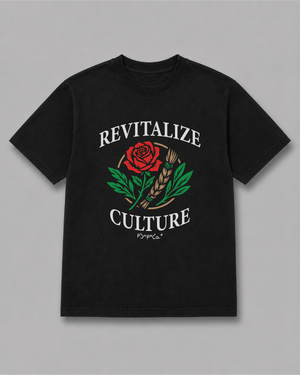
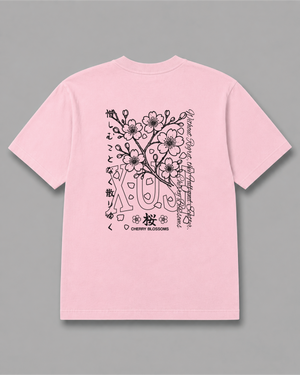
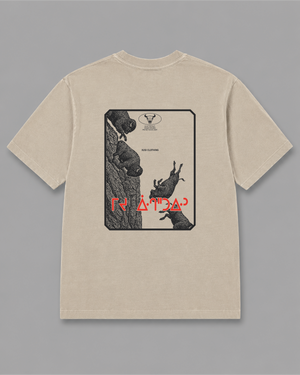
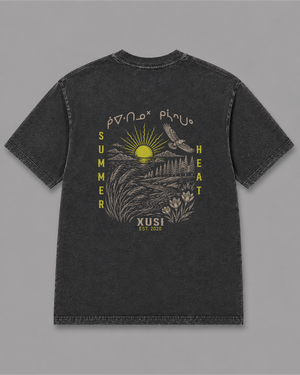
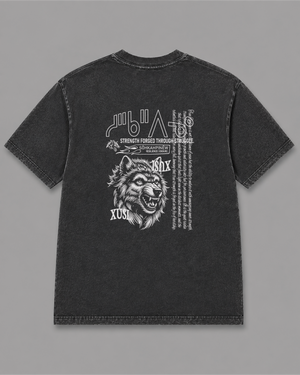
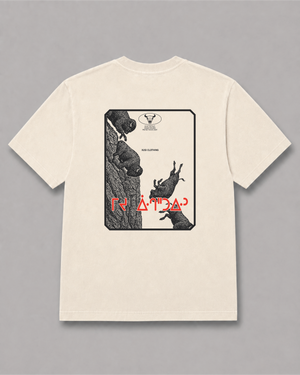
Our own designs draw on Indigenous culture and Japanese style. Many carry a Cree word and a story, which we share on our Meanings page. You can browse the full collection online, or find us at the Wanuskewin locations listed on our retail locations page. For a wider look at why buying Indigenous-owned matters, read our article on Indigenous-owned business in Canada.
Related reading: Indigenous Veterans Day, November 8
Questions people ask
Is National Indigenous Peoples Day a statutory holiday?
It is not a federal statutory holiday. The Canadian Encyclopedia notes it is a statutory territorial holiday in the Northwest Territories and Yukon.
When did National Aboriginal Day become National Indigenous Peoples Day?
CIRNAC says the Prime Minister announced the intention to rename the day in 2017. National Aboriginal History Month was renamed National Indigenous History Month the same year.
Why is it on June 21?
June 21 is the summer solstice. CIRNAC says it holds deep spiritual and cultural significance for many Indigenous Peoples.
Can non-Indigenous people attend events?
Many public events welcome everyone. Rock Your Roots in Saskatoon, for example, gathers Indigenous, non-Indigenous and newcomer peoples. Check each event's details and follow the host's guidance.
Sources
- National Indigenous Peoples Day – Crown-Indigenous Relations and Northern Affairs Canada
- About National Indigenous History Month – Crown-Indigenous Relations and Northern Affairs Canada
- National Indigenous Peoples Day – The Canadian Encyclopedia
- National Indigenous Peoples' Day and Indigenous History Month – University of Saskatchewan
- Rock Your Roots is back on National Indigenous Peoples Day – City of Saskatoon
- June 21 – National Indigenous Peoples Day Celebrations – Wanuskewin Heritage Park
- Federal 5% Indigenous procurement target – Indigenous Services Canada

Written by XUSI, an Indigenous-owned clothing and screen printing brand from Saskatoon on Treaty 6 territory. Our story · What the words mean