
Indigenous St. Albert: Treaty 6, Nations and Community
An introduction to St. Albert: its history, the Nations whose lands it sits on, and Indigenous community life today, with sources.
About St. Albert
St. Albert sits along the Sturgeon River on Edmonton’s northwest boundary, within Treaty 6 territory. Father Albert Lacombe founded a mission here in 1861 as a Métis settlement, making it Alberta’s oldest non-fortified community, and during an 1870 smallpox outbreak the mission sheltered some 700 Métis and First Nations people. The original log chapel still stands on Mission Hill, where interpreters staff the Father Lacombe Chapel in summer, and the Musée Héritage Museum holds more than 6,500 artifacts. Métis culture remains central: Michif Cultural Connections offers programming such as moccasin making and language classes, and downtown street signs appear in English, French and Cree. The Kâkesimokamik healing garden opened in 2017 as part of local reconciliation efforts. St. Albert Place, designed by Douglas Cardinal, houses city hall and cultural facilities, and the outdoor farmers’ market draws thousands every Saturday from June to October.
St. Albert history
St. Albert began as an Oblate mission, and its name honours the founder. Bishop Alexandre Taché named the settlement after Father Lacombe's patron saint. Lacombe and Métis helpers built the first log church on high ground north of the Sturgeon River. The City of St. Albert now calls it Alberta's oldest building, and it was restored in 1983. In 1870 a larger church went up and served as a cathedral. Father Lacombe and Bishop Vital Grandin are both buried in the crypt of the modern church. The Métis families who settled here divided the land into river lots. These long, narrow strips gave every household access to the water. Homes sat close to the Sturgeon River for travel, with animals and gardens behind them. The Arts and Heritage Foundation notes that neighbours lived closer together than under the later quarter-section system. Records from River Lot 23 show how the community grew. The Hudson's Bay Company held it in 1878, and Métis company employee Louis Chastellain held title by 1884. The Chevigny family arrived from Quebec in 1880. The Brackman Ker grain elevator went up in 1906, a sign of the farm economy to come. St. Albert became a city in 1977.
Treaty and territory
St. Albert is on Treaty 6 territory, the lands of the Cree, Dene, Nakota Sioux, Saulteaux and Blackfoot peoples, and the homeland of the Métis. The community began as a Métis settlement and mission in 1861.
Nearby: Edmonton · Morinville · Sturgeon County · Alexander First Nation · Spruce Grove
Indigenous St. Albert today
Métis culture has a home base in St. Albert. Michif Cultural Connections works out of Juneau House on Mission Avenue, the oldest house in the city. It runs a Métis Living Museum, a library and a craft shop that supports Métis artisans. Along the Sturgeon River, River Lots 23 and 24 are open free of charge from the May long weekend to the September long weekend. Four restored buildings stand there, including La Maison Chevigny from 1890 and the Belcourt House from about 1900. Sharon Morin of the Arts and Heritage Foundation hopes the site becomes a place of gathering. She wants visitors to learn how Métis people made their imprint on Alberta. The city has also built reconciliation into its work. It has a full-time role for Indigenous relations and reconciliation, and it marks eight observances, including Métis Week and Red Dress Day. Staff meet regularly with Indigenous community representatives and visit local First Nations. St. Albert has hosted large National Indigenous Peoples Day gatherings. In 2018 more than 1,200 people came to Lions Park for a grand entry, drumming, dancing, singing and fiddling. The day also included a walk for missing and murdered Indigenous women to the healing garden.
Life in St. Albert
St. Albert counted 61,466 residents in the 2011 census. It serves the farming district north of Edmonton and has two business parks for light industry. Many residents commute to jobs in Edmonton. Red Willow Park stretches along the Sturgeon River within the city. Downtown, Douglas Cardinal's St. Albert Place uses a curving design inspired by the river. It houses the Arden Theatre, an arts studio and the public library. History is easy to find on foot. The Art Gallery of St. Albert occupies the former Banque d'Hochelaga, built in 1921 on Perron Street. The Little White School, a two-room schoolhouse from 1948, shows what classrooms were like in its day. Two provincially designated grain elevators, from 1906 and 1929, were restored in 2011 beside the old train station. The restored bishop's residence adds another stop to a heritage walk.
St. Albert seasons and weather
Like Edmonton, St. Albert has cold winters that call for a hoodie under a warm parka, while summer Saturdays at the market are comfortable in a tee and a hat.
More on the region: Indigenous Alberta · all of Canada.
Keep learning in the XUSI Journal
- Treaty 6 and Saskatoon: Where XUSI Comes From
- The Numbered Treaties, Explained
- Treaty Annuity Payments and Treaty Days, Explained
- Nêhiyawêwin: A Beginner's Guide to the Cree Language
- All Journal articles
St. Albert questions
Can a St. Albert Métis or community group order custom printed shirts?
Yes. Custom orders begin at 10 garments, can carry up to 4 colours per design, and every order is quoted before printing. Design help is included; the shirts are printed in Saskatoon and shipped to St. Albert.
What does shipping to St. Albert cost?
The cost is calculated at checkout based on your order, and orders of $90 or more ship free within Canada. Your order leaves Saskatoon within 1–3 business days.
Can I order matching shirts for a National Indigenous Peoples Day walk in St. Albert?
Yes. Our custom screen printing starts at 10 garments, with up to 4 colours per design, and every order is quoted before printing. Design help is included, so your group can shape artwork around its message. We print in Saskatoon and ship to St. Albert, so plan ahead of June 21.
Does XUSI have anything connected to Métis culture?
Many of our designs carry a Cree word, with its story explained on our meanings page. For a design built around Métis history or a St. Albert river lot family, a group can work with us through custom screen printing. Orders start at 10 garments, and design help is included.
Last reviewed . Facts on this page come from the sources listed below.
Sources for this page
- St Albert – The Canadian Encyclopedia
- Heritage Sites – City of St. Albert
- River Lots 23 + 24 – Arts and Heritage Foundation St. Albert
- River lots offer view of Métis and French Canadian history – CBC News
- Our Path – City of St. Albert
- St. Albert celebrations honour Indigenous peoples – Alberta Native News
Indigenous clothing from XUSI
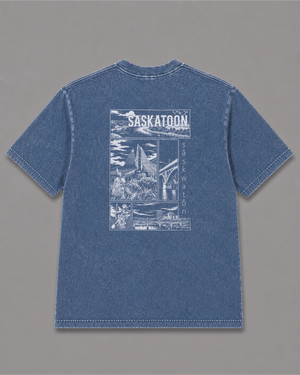
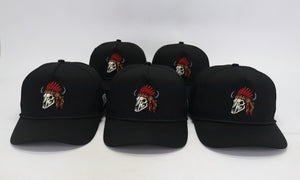
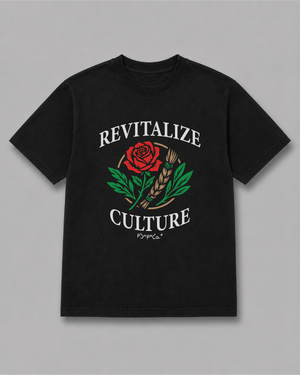
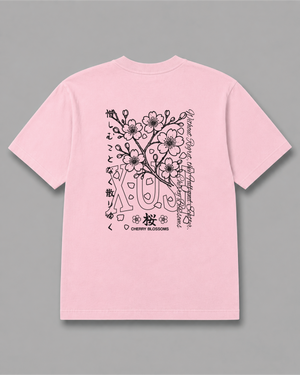
XUSI, an Indigenous-owned apparel company from Saskatoon, ships hoodies, tees and hats to St. Albert, giving people in Edmonton’s northwest neighbour another way to support Indigenous business.
St. Albert life moves along the Sturgeon River, from summer trail days to winter walks through Red Willow Park. We think a heavyweight 100% cotton tee and an A-frame snapback suit a July afternoon exploring the river lots. For a September visit to the grain elevators, the Golden Era ringer tee pairs well with a light jacket. As fall turns cold, the Black Oni long sleeve layers under a vest for Métis Week events. In the deep of an Alberta winter, a hoodie from our $59.95 to $89.95 range goes under your parka for skating or trail walks. The Revitalize Culture crewneck is a warm choice for an evening at the Arden Theatre.