
Indigenous Airdrie: Treaty 7, Nations and Community
An introduction to Airdrie: its history, the Nations whose lands it sits on, and Indigenous community life today, with sources.
About Airdrie
Airdrie sits just north of Calgary on the Queen Elizabeth II Highway, within Treaty 7 territory. It began in 1889 as a whistle stop beside Nose Creek, where steam locomotives on the Calgary and Edmonton Railway were refuelled, and it was named after Airdrie in Scotland. Incorporated as a village in 1909, it became a town in 1974 and a city in 1985. Rapid growth has since made it one of the largest cities in Alberta, and a 2012 annexation from Rocky View County set aside land for decades of development. The Nose Creek Valley Museum covers local history, and Bert Church Live Theatre hosts performances. Nose Creek Regional Park displays sculptures and monuments, including Îethka Stoney Grandmother’s Teachings, donated in 2023. Each December the Airdrie Festival of Lights brightens the winter, and the city also stages a Canada Day parade.
Airdrie history
The valley's deep past is on display in town. The Nose Creek Valley Museum holds a significant arrowhead collection and a gallery devoted to First Nations heritage. The exact date Airdrie got its name is debated, somewhere between 1889 and 1893. The City notes it may come from the Gaelic Ard Ruith, meaning high pasture land. Railway builder Sir William Mackenzie or Scottish rail workers may have chosen it. A station on the Calgary and Edmonton Railway served the settlement by 1891. The CPR water tower there was powered by a windmill. A post office followed in 1900 for the farming community, which had grown up around grazing leases that dominated the area for 20 years. In 1902, flooding hit an early store on the west side of the tracks, and businesses shifted east. The village held 32 houses when it incorporated in 1909. The Nose Creek Bridge was built in 1928 to reach the grain elevators. From the 1960s, Calgary commuters began moving north. Between 1976 and 1981 the population rose nearly 500%, earning the title of Canada's fastest growing town. The last two Alberta Wheat Pool elevators came down in 2000. In July 2019, council made the old bridge Airdrie's first Municipal Historic Resource.
Treaty and territory
Airdrie is on Treaty 7 territory, the lands of the Blackfoot Confederacy (Siksika, Kainai, Piikani), the Tsuut’ina and the Stoney Nakoda, and the homeland of the Métis.
Nearby: Calgary · Crossfield · Balzac · Irricana · Cochrane · Tsuut’ina Nation
Indigenous Airdrie today
Airdrie's land acknowledgement names the Siksika, Piikani and Kainai of the Blackfoot Confederacy, and the Tsuut'ina. It also names the Bearspaw, Chiniki and Goodstoney Nations of the Stoney Nakoda. It also recognizes Otipemisiwak Métis Government District 4. The City describes itself as at the start of a long journey, guided by its Indigenous Framework and Action Plan. In 2026 the City offered Indigenous-led Reconciliation Grants of up to $15,000, subject to council approval. Applicants had to be not-for-profits with at least 50% Indigenous leadership and ties to Treaty 7 Nations or District 4. The grants support events for June 21 and September 30 that help residents connect with Indigenous stories. The City works with the Circle Connections for Reconciliation Society, Treaty 7 Elders and Knowledge Keepers, and Métis District 4. For September 30, 2026, it scheduled a free musical about the life of Louis Riel at Bert Church LIVE Theatre. Three-time world champion hoop dancer Dallas Arcand of Alexander First Nation performed at Inspire's outdoor amphitheatre. Free beadwork workshops taught flower bracelets and traditional flower designs. Public art such as From Earth to Sky and a Veterans Memorial sharing Indigenous veterans' stories adds to the city's landscape.
Life in Airdrie
Airdrie sits 10 km north of Calgary along Highway 2. It grew from 42,564 residents in 2011 to 61,581 in 2016. The City runs its own municipal census every year rather than waiting for the federal count. Most workers commute to Calgary, while East Lake Industrial Park anchors local jobs. The City also describes its elevation as making it the highest city in Canada. Genesis Place is the main recreation hub, with pools, arenas and fitness space. Inspire offers studios and multipurpose rooms for visual and performing arts. Regional parks include Chinook Winds, East Lake, Fletcher, Monklands and Ed Eggerer Athletic Park. Families use spray parks, skate parks and toboggan hills, and there is room for disc golf, pickleball and tennis. The Nose Creek Valley Museum opened to the public in 1988 and now holds more than 25,000 artifacts. Its Military Hall shows objects from both world wars, and its General Store exhibit changes often.
Airdrie seasons and weather
Airdrie shares Calgary’s changeable weather, with chinook thaws interrupting cold snaps, so a hoodie that layers under or over other pieces is handy most of the year.
More on the region: Indigenous Alberta · all of Canada.
Keep learning in the XUSI Journal
- The Numbered Treaties, Explained
- Treaty Annuity Payments and Treaty Days, Explained
- First Nations, Métis and Inuit: What’s the Difference?
- How to Write a Land Acknowledgement That Means Something
- All Journal articles
Airdrie questions
How does custom screen printing work for an Airdrie business?
Orders start at 10 garments, with up to 4 colours per design, and every order is quoted before printing. Design help is included, and the work is printed in Saskatoon and shipped to Airdrie. There is also a dedicated page for screen printing for Calgary, just to the south.
Do orders to Airdrie qualify for free shipping?
Orders of $90 or more ship free within Canada, so they do. For smaller orders, shipping is calculated at checkout, and all orders leave Saskatoon within 1–3 business days.
What would suit a National Day for Truth and Reconciliation event in Airdrie?
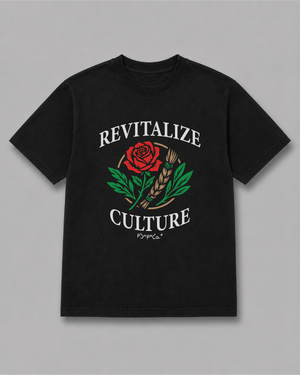
Late September in Airdrie can turn cool, especially at an outdoor show like the hoop dancing at Inspire's amphitheatre. A hoodie ($59.95–$89.95) or the Revitalize Culture crewneck ($89.95) makes a warm, respectful layer. Many of our designs carry a Cree word and story, explained on our meanings page.
Can an Indigenous-led Airdrie non-profit order custom shirts for a community event?
Yes. Any group can order custom screen printing from 10 garments, with up to 4 colours and design help included. Every order gets a full quote before anything is printed, and we print in Saskatoon. Plan ahead of a June 21 or September 30 date so there is time for design and shipping.
Last reviewed . Facts on this page come from the sources listed below.
Sources for this page
- Airdrie – The Canadian Encyclopedia
- History and heritage – City of Airdrie
- Indigenous relations and Truth and Reconciliation in Airdrie – City of Airdrie
- National Day for Truth and Reconciliation – City of Airdrie
- The City of Airdrie Announces Indigenous-led Reconciliation Grants – CJWE
- Welcome to the Museum – Nose Creek Valley Museum
- City of Airdrie home page
- Municipal census – City of Airdrie
Indigenous clothing from XUSI
Residents of Airdrie, just north of Calgary, can order Indigenous-owned clothing from XUSI, a Saskatoon company that ships its hoodies, hats and tees across the Prairies.
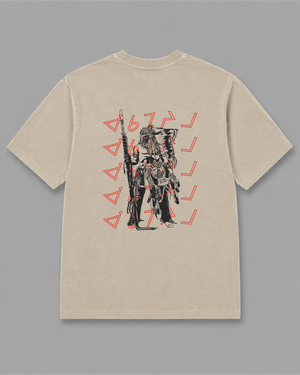
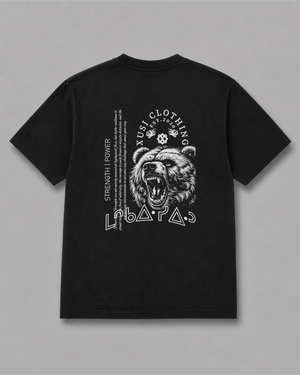
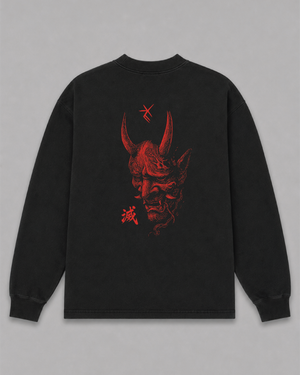
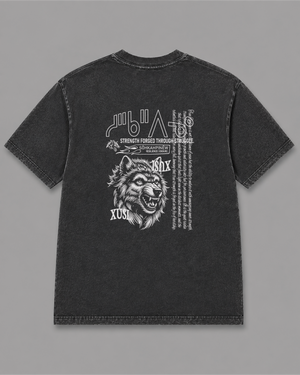
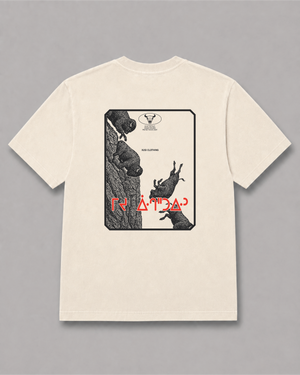
Airdrie life moves between a Calgary commute and a lot of time outdoors, and we think our pieces suit both. A heavyweight hoodie layers over a tee on a cold morning drive down Highway 2. On a winter afternoon at a city toboggan hill, it goes under your coat. A heavyweight 100% cotton tee handles summer disc golf or an afternoon at a city spray park. The Revitalize Culture crewneck is a thoughtful layer for a chilly September 30 evening at Bert Church LIVE Theatre. An A-frame snapback shades you at a ball game at Ed Eggerer Athletic Park. Hockey parents at Genesis Place might like the Black Oni long sleeve in a cool arena.