
Indigenous Dauphin: Treaty 2, Nations and Community
An introduction to Dauphin: its history, the Nations whose lands it sits on, and Indigenous community life today, with sources.
About Dauphin
Dauphin had 8,368 residents in the 2021 census, making it Manitoba's ninth-largest community. The city sits in the Parkland Region of western Manitoba. Riding Mountain National Park rises to the south and Duck Mountain Provincial Park to the northwest. Dauphin Lake lies nearby, with Lake Manitoba and Lake Winnipegosis farther out. Grain, oilseeds, honey and livestock still anchor the local economy. Health care, education, manufacturing, retail and tourism add jobs too. Dauphin serves as a supply, distribution and transportation centre for the farms around it. Its Ukrainian roots run deep, and about 30 per cent of residents reported Ukrainian heritage in 2021. The city also hosts regional offices that serve nearby First Nations, including a Treaty 2 and 4 health services office.
Dauphin history
The lands around Dauphin Lake are home to the West Region Anishinaabe. Dauphin sits within Treaty 2, whose boundaries run west from Lake Winnipeg through Lake Manitoba and Lake Winnipegosis. Nine First Nations in Manitoba belong to Treaty 2 today. Some nations inside its borders signed other treaties instead. French explorer Pierre Gaultier de La Vérendrye built a post in the region in the 1730s. In 1741 the area took the name Dauphin, after the eldest son of the king of France. Settlers from Ontario arrived in the late 1870s and founded small villages nearby. The present townsite grew after the Lake Manitoba Railway arrived in 1896. Between 1896 and 1898, Ukrainian immigrants built one of their earliest rural communities in Canada here. Dauphin became a village in 1898, a town in 1901 and a city in 1998. It grew into an important centre for shipping grain. The Ukrainian Catholic Church of the Resurrection was completed in 1939. Its design follows the early Kievan style of Eastern Byzantine architecture. It became a provincial historic site in 1994. First World War pilot William Barker was born in Dauphin, and the city airport has carried his name since 1998.
Treaty and territory
Dauphin lies in Treaty 2 territory, the homeland of the West Region Anishinaabe. The treaty’s boundaries take in Lake Manitoba and Lake Winnipegosis.
Nearby: Wasagaming · Gilbert Plains · Ochre River · Ebb and Flow First Nation · Duck Mountain Provincial Park · Riding Mountain National Park
Indigenous Dauphin today
First Nations of Treaty 2 and Treaty 4 surround Dauphin. The West Region Tribal Council coordinates eight band governments with about 9,000 members. They include Ebb and Flow, Gamblers, Keeseekoowenin, O-Chi-Chak-Ko-Sipi, Pine Creek, Rolling River, Skownan and Tootinaowaziibeeng. Ebb and Flow First Nation sits about 83 kilometres east of Dauphin. West Region Treaty 2 and 4 Health Services keeps a sub-office on Main Street North in Dauphin. Its stated aim is to support West Region Anishinaabe in building healthy communities. Programs include mental health counselling, diabetes initiatives, Jordan's Principle services, dental care and nursing. The Dauphin Friendship Centre, founded in 1974, serves both Indigenous and non-Indigenous residents. It runs youth activities for ages 6 to 24, a Head Start preschool, prenatal support and a school lunch program. Community events have included a Christmas dinner and dance, a square dance jamboree and a picnic in the park. At Riding Mountain National Park, Parks Canada works with Anishinaabe and First Nations from Treaties 1, 2 and 4.
Life in Dauphin
Dauphin is best known for its summer festivals. Countryfest, running since 1989, is called Canada's longest-running country music festival. Canada's National Ukrainian Festival grew from a group formed in 1965 after a Chamber of Commerce meeting. It is held at Selo Ukraina, a folk arts centre and museum in the RM of Dauphin, with a parade through the city. The 2026 festival was cancelled after severe flooding in early July. Riding Mountain National Park draws people for hiking, camping and wildlife watching in all seasons. Its grasslands, forests, wetlands and lakes shelter wolf packs, orchids and lilies. Wasagaming is the park's gateway community. Duck Mountain Provincial Park offers more forest and lakes to the northwest. Closer to town, Dauphin Lake lies a short drive away.
Dauphin seasons and weather
Dauphin has a humid continental climate with big swings between seasons. The town recorded 43.3°C on June 25, 1919, and has dropped to −44.4°C in February. Winter calls for heavy layers and a warm hat. Summer days can be hot enough for a single cotton tee. Spring and fall bring cool mornings, so a hoodie or long sleeve stays handy for trips into Riding Mountain.
More on the region: Indigenous Manitoba · all of Canada.
Keep learning in the XUSI Journal
- The Numbered Treaties, Explained
- Treaty Annuity Payments and Treaty Days, Explained
- First Nations, Métis and Inuit: What’s the Difference?
- How to Write a Land Acknowledgement That Means Something
- All Journal articles
Dauphin questions
How does shipping to Dauphin work?
Orders of $90 or more ship free to Dauphin and across Canada. Orders under $90 show the shipping cost at checkout. Every order leaves our Saskatoon shop within 1 to 3 business days.
Can you print shirts for a Dauphin team or community group?
Yes. Custom screen printing starts at 10 garments, with up to 4 colours per design. Every order gets a full quote before anything is printed, and design help is included. We print in Saskatoon and ship your order to you.
Does XUSI sell at Countryfest or other Dauphin events?
No. We do not have a booth, stockist or store in Dauphin. Outside our online shop, our only retail presence is at Wanuskewin near Saskatoon. Dauphin customers order online, and orders over $90 ship free.
Can a Treaty 2 or Treaty 4 community near Dauphin order shirts for its own gathering?
Yes. Any community can order custom screen printing from us with a 10-garment minimum and up to 4 colours. Every order gets a full quote before anything is printed. Our team helps with design, then we print in Saskatoon and ship the finished shirts.
Last reviewed . Facts on this page come from the sources listed below.
Sources for this page
- Dauphin – The Canadian Encyclopedia
- Dauphin, Manitoba – Wikipedia
- West Region Tribal Council – Wikipedia
- West Region Treaty 2 & 4 Health Services
- Dauphin – Manitoba Association of Friendship Centres
- First Nations and Treaty Areas in Manitoba – ISC
- Riding Mountain National Park – Parks Canada
- Canada's National Ukrainian Festival
Indigenous clothing from XUSI
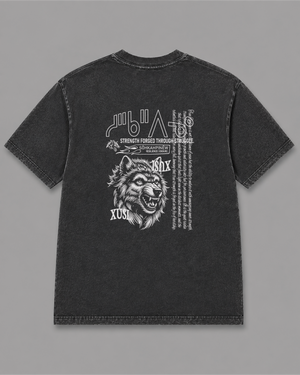
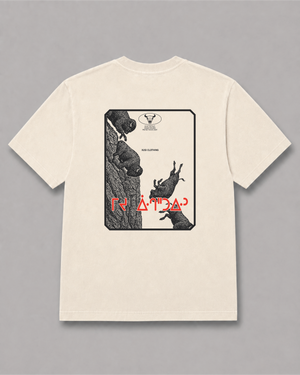
Between the slopes of Riding Mountain and the Duck Mountains, Dauphin residents can wear Indigenous-designed XUSI tees, hoodies and hats that we print in Saskatoon and ship east across the prairie to the Parkland.
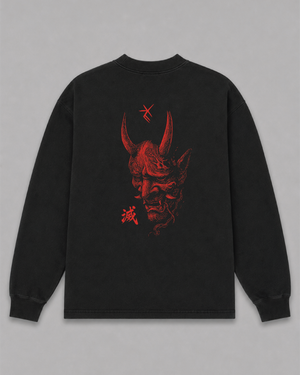
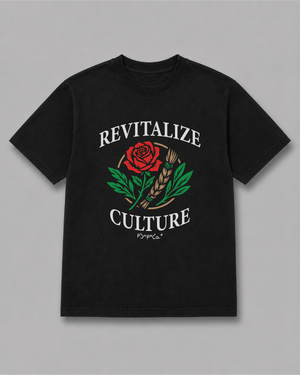
Parkland winters can drop past −40°C, so our heavyweight hoodies earn their place under a parka for chores and rink nights in Dauphin. The Revitalize Culture crewneck works for crisp fall walks in Riding Mountain, and it carries a Cree word and story. In spring, our Black Oni long sleeve suits early hikes around Wasagaming before the bugs arrive. Hot July weekends at Countryfest call for a 100% cotton tee, a Golden Era ringer or a women's baby rib tee. Add our A-frame snapback to keep the sun off at Dauphin Lake.