
Indigenous Hay River: Treaty 8, Nations and Community
An introduction to Hay River: its history, the Nations whose lands it sits on, and Indigenous community life today, with sources.
About Hay River
Hay River had 3,169 residents in the 2021 census, down from 3,528 in 2016. The town sits where the Hay River meets Great Slave Lake, about 200 air kilometres southwest of Yellowknife. Its South Slavey name is Xátł'odehchee. Locals call it the Hub of the North, a nod to its role as a transportation centre. The town has two parts: the older settlement on Vale Island and the newer townsite upriver. Hay River/Merlyn Carter Airport sits between them. The town was incorporated on June 27, 1963. In 2021, just under half of residents identified as Indigenous. South Slavey, Chipewyan, Michif and English are all spoken here. Kátł'odeeche First Nation's reserve lies on the opposite bank of the river.
Hay River history
The Hay River area has been used by First Nations for thousands of years. Kátł'odeeche First Nation says its people have occupied the lands around Hay River and Buffalo Lake for at least 1,800 years. Its name refers to the people of the willow grass river delta. The Hudson's Bay Company opened a trading post here in 1868. In 1892, Chief Shatla of the Slavey Dene founded a permanent settlement on the northeast bank of the river. The Anglican Mission followed in 1893. Treaty 8, first signed in 1899, covers this part of the Northwest Territories. It is the largest treaty by area in Canadian history. Winter cat trains once followed traditional Dene routes through the region. The Mackenzie Highway reached Hay River from Grimshaw, Alberta, in 1948. The commercial fishery then grew quickly around the West Channel of Vale Island. In 1963, a major flood hit Vale Island and the Dene Village. The town moved to higher ground upriver. The railway arrived by 1964. In 1974, Chief Daniel Sonfrere negotiated the first reserve in the Northwest Territories. Floods returned in 2022, and wildfire forced a full evacuation in August 2023.
Treaty and territory
Hay River sits in Treaty 8 territory, first signed in 1899, on the homeland of the South Slavey Dene. Kátł’odeeche First Nation, West Point First Nation and Métis citizens of the Northwest Territory Métis Nation all call the area home.
Nearby: Kátł'odeeche First Nation (Hay River Reserve) · Enterprise · Fort Providence · Fort Resolution · Alexandra Falls · Great Slave Lake
Indigenous Hay River today
Kátł'odeeche First Nation is a South Slavey Dene community on the east bank of the Hay River. Its reserve covers about 134 square kilometres. The Nation runs departments for education, health and wellness, housing, lands, daycare and recreation. It is developing its own land code under the Framework Agreement on First Nation Land Management. Visitors can find interpretive displays, an artisan centre, storytelling and drum dances there. Each March, the Nation hosts the K'amba Carnival on the river and the reserve. It features talent shows, Dene games and cultural competitions. The reserve also hosts an annual fiddling and jigging talent show, billed as the biggest North of 60. West Point First Nation is headquartered in town and belongs to the Dehcho First Nations. The Northwest Territory Métis Nation represents Métis citizens in Hay River, Fort Smith and Fort Resolution. Its programs include education, housing, language and hide tanning workshops. Hay River marks National Indigenous Peoples Day each June 21 with a fish fry, live music and cultural events. The Soaring Eagle Friendship Centre hosts a free community Christmas dinner.
Life in Hay River
Hay River is known as a working northern town that relies heavily on private enterprise. It is the staging point for barges heading down the Mackenzie River. Marine Transportation Services runs a large Synchro Lift dry dock on Vale Island. The Canadian Coast Guard also keeps a base here. The town is home to Canada's northernmost railway terminus. The West Channel fishing village dates from the late 1940s. The Fisherman's Wharf market sells fresh fish, baked goods and local crafts on summer Saturdays. Waterfalls draw visitors south, including Alexandra and Louise Falls. Near Alexandra Falls, a fossil fish trackway is 370 to 380 million years old. The purple Diamond Jenness Secondary School was designed by architect Douglas Cardinal. Winter brings the Polar Pond Hockey tournament on the river.
Hay River seasons and weather
Hay River has a subarctic climate. January averages −21.4°C, and July averages 16.6°C with daytime highs near 22°C. The town gets about 139 centimetres of snow a year. Winter here means dog sled races, pond hockey on the river and northern lights, so warm layers matter for months. Summer beach days on Great Slave Lake still call for a hoodie once the lake wind picks up.
More on the region: Indigenous Northwest Territories · all of Canada.
Keep learning in the XUSI Journal
- The Numbered Treaties, Explained
- Treaty Annuity Payments and Treaty Days, Explained
- First Nations, Métis and Inuit: What’s the Difference?
- How to Write a Land Acknowledgement That Means Something
- All Journal articles
Hay River questions
How does shipping to Hay River work?
Orders of $90 or more ship free to Hay River and anywhere in Canada. Orders under $90 show the shipping cost at checkout. Every order leaves our Saskatoon shop within 1 to 3 business days.
Can you print shirts for a Hay River team or group?
Yes. Custom screen printing starts at 10 garments, with up to 4 colours per design. Every order gets a full quote before anything is printed, and design help is included. We print in Saskatoon and ship the finished order to Hay River.
Could XUSI print shirts for a Hay River pond hockey team or carnival crew?
Yes, as long as the order is 10 garments or more. Teams heading to the Polar Pond Hockey tournament or groups at the K'amba Carnival could choose tees or hoodies with up to 4 colours. We help with the design, print in Saskatoon, and ship to Hay River.
Does XUSI sell at Fisherman's Wharf or any shop in Hay River?
No. We do not have a booth, stockist or store in Hay River or anywhere in the Northwest Territories. Our only retail presence outside our online shop is at Wanuskewin near Saskatoon. Hay River customers order online, and every package ships from Saskatoon.
Last reviewed . Facts on this page come from the sources listed below.
Sources for this page
- Hay River – The Canadian Encyclopedia
- Hay River, Northwest Territories – Wikipedia
- Town of Hay River – History
- Town of Hay River – Attractions
- Town of Hay River – Festivals & Events
- Kátł'odeeche First Nation
- Hay River Reserve – Wikipedia
- Treaty 8 – The Canadian Encyclopedia
- West Point First Nation – Wikipedia
- Northwest Territory Métis Nation
Indigenous clothing from XUSI
From the Vale Island beaches to the K'amba Carnival across the river, Hay River residents can order Indigenous-designed XUSI tees, hoodies and hats that we print in Saskatoon and ship to the Hub of the North.
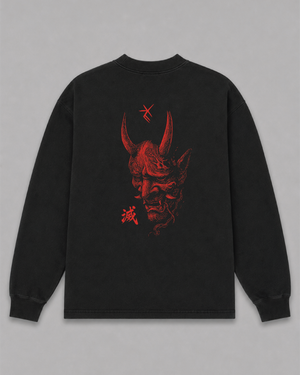
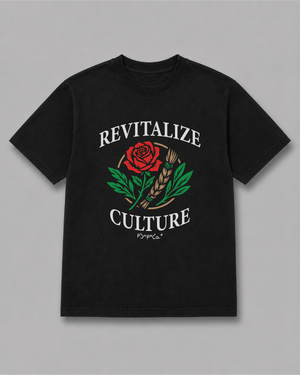
Hay River winters run long. Our heavyweight hoodies earn their keep at the Polar Pond Hockey rinks and along the dog sled race route. The Revitalize Culture crewneck works well for the K'amba Carnival or a night at the fiddling and jigging show. It carries a Cree word and story, like many of our designs. Our Black Oni long sleeve suits cool mornings at Fisherman's Wharf. When July reaches the low twenties, a heavyweight cotton tee or Golden Era ringer fits a day on the Vale Island beach. An A-frame snapback helps with glare on Great Slave Lake.