
Indigenous Lethbridge: Treaty 7, Nations and Community
An introduction to Lethbridge: its history, the Nations whose lands it sits on, and Indigenous community life today, with sources.
About Lethbridge
Lethbridge, known in Blackfoot as Sikóóhkotok, sits among the coulees of the Oldman River valley in southern Alberta, about 215 km southeast of Calgary. The land was traditionally used by the Blackfoot Confederacy, and Oki, the Blackfoot word for hello, serves as the city’s official greeting. The High Level Bridge, a railway viaduct completed in 1909, runs more than 1.6 km across the valley. Fort Whoop-Up, first established by Montana traders in 1869, is interpreted today as a site about the buffalo robe and whisky trade. Coal mining began in 1882, and irrigation later shifted the regional economy toward agriculture, livestock and food processing. The University of Lethbridge and Lethbridge Polytechnic anchor education, and the Galt Museum and Archives presents Blackfoot culture. The Kainai Nation, whose Blood reserve is the largest in Canada, lies to the west, and the city has hosted the Lethbridge and District Siksikaitsitapi Powwow.
Lethbridge history
The Niitsitapi call their homeland Ksahkominoon. It stretches along the eastern side of the Rockies, from the Yellowstone River in Montana to the North Saskatchewan River. The river bottoms at Lethbridge were a favoured winter camp. Tipi rings, buffalo jumps and effigies across the region record centuries of seasonal movement. On October 25, 1870, the river valley saw what the Galt Museum calls the last major inter-tribal battle in Canada. A Cree force of 600 to 800, allied with Saulteaux and Assiniboine, set out to raid the Blackfoot. They met unexpected Piikani camps, whose people had fled north after the Baker Massacre in Montana. Armed with repeating rifles, the Blackfoot drove the Cree back across the river. Indian Battle Park now marks the site. Coal changed the valley next. Sir Alexander Galt and his son Elliott opened the first mine in 1882. In 1884 the settlement was named for William Lethbridge, first president of the North Western Coal and Navigation Company. A rail line in 1885 made large-scale mining possible. Lethbridge was incorporated as a town in 1890 and as a city in 1906. The city sits within Treaty 7 territory.
Treaty and territory
Lethbridge, Sikóóhkotok in Blackfoot, is on Treaty 7 territory, the traditional lands of the Blackfoot Confederacy (Siksika, Kainai and Piikani), and the homeland of the Métis. The Kainai (Blood Tribe) reserve, the largest reserve in Canada by area, is just southwest of the city.
Nearby: Kainai Nation (Blood Tribe) · Piikani Nation · Coaldale · Fort Macleod · Cardston · Taber
Indigenous Lethbridge today
The Blackfoot Confederacy is made up of three Nations in Canada: the Siksika, Kainai and Piikani. The area is also part of Métis Nation of Alberta Region 3. The University of Lethbridge created Canada's first Department of Native American Studies in 1975, now called Indigenous Studies. Leroy Little Bear, whose Blackfoot name is Iikaisskini, was its first chair. The university's own Blackfoot name, Iniskim, was gifted by Elder Bruce Wolf Child in 2002. Its programs include the Niitsitapi Teacher Education Program. Each year the university observes Truth and Reconciliation Days from September 28 to 30. The campus closes on September 30. In 2021, Blackfoot graduate Chataya Holy Singer designed its Orange Shirt Day shirt. Downtown, the Sik-Ooh-Kotoki Friendship Society on 2 Avenue South serves the urban Indigenous community. Its programs include Blackfoot language classes, moccasin and skirt making, boxing, basketball, hiking and filmmaking. The Iinii Rock Music Club meets there too. The Treaty 7 Urban Indian Housing Authority, based in Stand Off, keeps a Lethbridge office. It offers affordable rentals to low- and moderate-income First Nations families.
Life in Lethbridge
Lethbridge counted 98,406 people in 2021, up from 92,729 in 2016. It is the commercial hub of southern Alberta's irrigated farm country. Irrigation supports forage, grain, canola and sugar beet crops. Food processing and livestock operations follow from that farm base. The High Level Bridge is a single-track viaduct standing 96 metres above the valley floor. Below it, the river bottom holds Indian Battle Park and a reconstruction of Fort Whoop-Up. On the shores of Henderson Lake, the Nikka Yuko Japanese Garden draws visitors from across the region. Lethbridge College, founded in 1957, and the University of Lethbridge, founded in 1967, are both major employers. Retirement facilities are another significant employer, according to The Canadian Encyclopedia. Coal launched Lethbridge in the 1880s, but farming, food processing and services now carry its economy. The river valley below downtown blends parkland, history and trails.
Lethbridge seasons and weather
Southern Alberta is known for strong winds, and chinooks can break up winter cold, so wind-resistant layers over a hoodie serve best. Hot, dry summers make a hat a smart choice.
More on the region: Indigenous Alberta · all of Canada.
Keep learning in the XUSI Journal
- The Numbered Treaties, Explained
- Treaty Annuity Payments and Treaty Days, Explained
- First Nations, Métis and Inuit: What’s the Difference?
- How to Write a Land Acknowledgement That Means Something
- All Journal articles
Lethbridge questions
Can a Lethbridge university club order custom printed hoodies?
Clubs can order screen printing with a 10-garment minimum and up to 4 colours per design. Every order gets a full quote before anything is printed, design help is included, and the hoodies are printed in Saskatoon and then shipped to Lethbridge.
How long before my Lethbridge order ships?
Orders leave Saskatoon within 1–3 business days. You will see the shipping cost at checkout, and orders of $90 or more ship free within Canada.
Could the Sik-Ooh-Kotoki Friendship Society or a Blackfoot language class order custom shirts?
Yes. Our custom screen printing starts at 10 garments, allows up to 4 colours per design, and every order is quoted before printing. Send us your Blackfoot text and our design help will lay it out. Everything is printed in Saskatoon and shipped to Lethbridge.
Your designs use Cree words. Is that a fit for Blackfoot country?
Many of our designs carry Cree words, and our meanings page shares each story. We are based in Saskatoon on Treaty 6 territory. Lethbridge is Blackfoot land in Treaty 7. If you want Blackfoot words, a custom order with your own wording is the respectful route.
Last reviewed . Facts on this page come from the sources listed below.
Sources for this page
- Lethbridge / The Canadian Encyclopedia
- The Last Great Battle / Galt Museum & Archives
- Living and Working on Niitsitapi Territory / University of Lethbridge
- 50 Years of Indigenous Studies / University of Lethbridge
- Truth and Reconciliation Week / University of Lethbridge
- Programs / Sik Ooh Kotoki Friendship Society
- Lethbridge / Alberta Native Friendship Centres Association
- Treaty 7 Urban Indian Housing Authority
Indigenous clothing from XUSI
XUSI, owned by Indigenous people and based in Saskatoon, ships its tees, hoodies and hats to Lethbridge, so southern Alberta shoppers can support an Indigenous-owned business without leaving home.
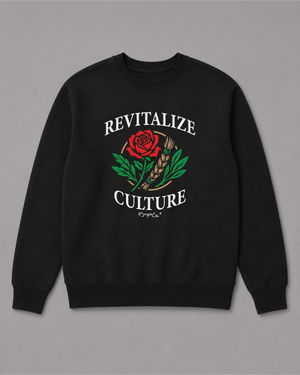
Lethbridge wind is part of daily life, and so is the sun. We think a heavy hoodie is the right layer for gusty walks across the coulees in fall and winter. When a chinook softens January, the Black Oni long sleeve alone may be enough. For a summer afternoon at the Nikka Yuko Japanese Garden, a heavyweight 100% cotton tee breathes in dry heat. An A-frame snapback holds up better in the wind than a loose cap. Students heading to Truth and Reconciliation Days on campus might pick the Revitalize Culture crewneck, which carries a Cree word and its story.