
Indigenous Rankin Inlet: Kangiqtiniq, Nations and Community
An introduction to Rankin Inlet: its history, the Nations whose lands it sits on, and Indigenous community life today, with sources.
About Rankin Inlet
Rankin Inlet, called Kangiqtiniq in Inuktitut, meaning deep inlet, lies on the northwestern coast of Hudson Bay and serves as the hub of Nunavut’s Kivalliq region. Whale Cove is to the south, Chesterfield Inlet to the north and Baker Lake to the west. The community grew after Inuit moved to the area to work at the Rankin Inlet nickel mine, which operated from 1957 until 1962. Gold and diamond deposits have since been found nearby. Most residents are Inuit, and Inuktitut and English are the main languages. The hamlet is internationally known for Inuit ceramics, along with prints, carvings and bronze casting, and the Matchbox Gallery is a well-known place to see local art. Thule archaeological sites line the Meliadine River, Marble Island recalls the whaling era, and Pakallak Tyme brings spring games, snowmobile races and feasts. NHL player Jordin Tootoo grew up here.
Rankin Inlet history
Along the Meliadine River, known locally as Iqalugaarjuk, the land holds evidence of both Thule and Caribou Inuit settlement. Stone tent rings, cradles for traditional boats and fish drying sites can still be seen. The territorial park there takes its name from the river. Its Inuktitut name is translated as the land around the river of little fish. The English name comes from the inlet itself, which was named for John Rankin. The modern community began in 1955, when North Rankin Nickel Mines set up a mining centre. A concentrator was built the next year so the ore could be processed on site. When the mine closed, residents suffered a serious setback. Recovery came through a fishery and an Inuit craft industry. Rankin Inlet was incorporated as a hamlet in 1975. It counted 2,358 residents in 2006 and 2,266 in 2011. The Nunavut Agreement reshaped land rights here. Inuit exchanged Aboriginal title to their traditional lands in the Nunavut Settlement Area for the rights and benefits it sets out. Nunavut Tunngavik Incorporated works to make sure the federal and territorial governments keep those promises.
Treaty and territory
Rankin Inlet, Kangiqtiniq, is an Inuit community on the west coast of Hudson Bay.
Nearby: Whale Cove · Chesterfield Inlet · Baker Lake
Indigenous Rankin Inlet today
Rankin Inlet is home to the Kivalliq Inuit Association, based on Sivulliq Avenue. It is a Designated Inuit Organization under the Nunavut Agreement and one of three Regional Inuit Associations linked to Nunavut Tunngavik. It represents Inuit in seven communities: Arviat, Baker Lake, Chesterfield Inlet, Coral Harbour, Rankin Inlet, Naujaat and Whale Cove. Each community elects a director to its board, alongside a president, vice-president and secretary-treasurer. At the time of writing, Kono Tattuinee served as president. The association runs Inuktitut literacy camps and youth programs. It also offers harvester support, family and bereavement support, scholarships and post-secondary awards. Its economic development work includes business funding and entrepreneurship support. Revenue comes in part through its subsidiaries, Sakku Investments and Nukik Corp. On the land, Iqalugaarjuup Nunanga Territorial Park offers cultural learning sessions on traditional practices. At Qarmaviniqtalik, an interpretive trail leads visitors through historic campsites. Berry picking runs from late August to mid-September, with lingonberries, crowberries, blueberries and cloudberries. Caribou herds migrate through the park in spring and fall, and its waters yield Arctic char and lake trout.
Life in Rankin Inlet
Rankin Inlet is the second-largest community in Nunavut. It is a key government, transportation and communications centre for the territory. After the nickel mine closed, observers noted that exploration in the area might one day lead to another operating mine. That has happened. Agnico Eagle's Meliadine gold mine, 25 km north of the hamlet, began commercial production in May 2019. The outdoors is close at hand. Iqalugaarjuup Nunanga Territorial Park lies about 8 km outside town. It is reached by gravel road in summer and by snowmobile in winter. People camp, hike, fish and picnic there. The tundra blooms with Arctic heather, Labrador tea, dwarf birch and Arctic cotton. Arctic ground squirrels, lemmings, Arctic foxes and hares live in the park. Sandhill cranes, snow geese, ptarmigan and peregrine falcons pass through.
Rankin Inlet seasons and weather
Wind chills in Rankin Inlet can drop to around −50 °C in winter, and summer highs rarely climb far above 20 °C. Windproof outer layers over a warm hoodie, plus a snug hat, make sense most of the year.
More on the region: Indigenous Nunavut · all of Canada.
Keep learning in the XUSI Journal
- First Nations, Métis and Inuit: What’s the Difference?
- How to Write a Land Acknowledgement That Means Something
- Orange Shirt Day & the National Day for Truth and Reconciliation
- National Indigenous Peoples Day and History Month: A Guide
- All Journal articles
Rankin Inlet questions
Can XUSI ship to Rankin Inlet?
Yes. Orders ship from Saskatoon and usually leave within 1–3 business days. Shipping cost to Rankin Inlet is calculated at checkout, and orders of $90 or more ship free within Canada.
What does a custom order for a Kivalliq sports team involve?
Custom screen printing has a 10-garment minimum, up to 4 colours per design, and every order is quoted before printing. Design help is included, the maximum screen is 23x31 inches, and your order is printed in Saskatoon and shipped to you.
What should I wear berry picking near Rankin Inlet?
Berry season at Iqalugaarjuup Nunanga runs from late August to mid-September, when days cool quickly. A heavyweight 100% cotton tee ($49.95) under the Black Oni long sleeve ($54.95) works well. Keep a hoodie handy for wind off Hudson Bay, and an A-frame snapback ($44.95) for sunny afternoons.
Could a Kivalliq youth program order custom shirts for a camp?
Yes. Any youth program can order custom screen printing from 10 garments, with up to 4 colours per design. Every order gets a full quote before anything is printed, and design help is included. Since shipping north takes time, order several weeks before your camp begins.
Last reviewed . Facts on this page come from the sources listed below.
Indigenous clothing from XUSI
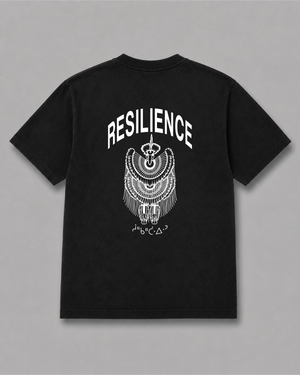
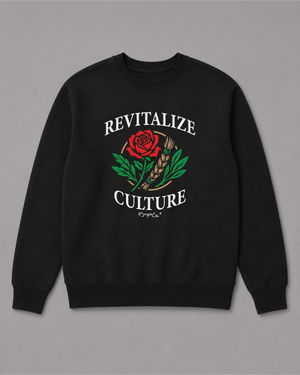
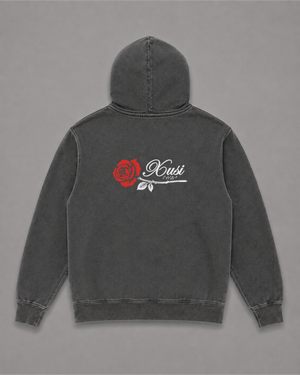
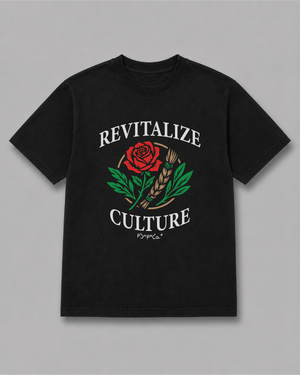
Kivalliq shoppers, XUSI ships to you. Based in Saskatoon and Indigenous-owned, we send hoodies, hats and tees to the hamlet of Rankin Inlet on Hudson Bay.
Rankin Inlet's short summers and long winters call for smart layering, and we think our pieces can help. A heavyweight 100% cotton tee suits a bright July afternoon fishing for Arctic char on the Meliadine River. The Black Oni long sleeve works for berry picking in late August, when the tundra wind picks up. A heavyweight hoodie is a solid mid-layer under a parka for a snowmobile ride out to the park. Our A-frame snapback cuts glare on long spring days. During Pakallak Tyme, a hoodie under your parka keeps you warm while you cheer on the snowmobile races. Because every order travels a long way north, a digital gift card can be an easy choice for family in the Kivalliq.