


Indigenous Saint John: Wolastoqiyik Territory, Nations and Community
An introduction to Saint John: its history, the Nations whose lands it sits on, and Indigenous community life today, with sources.
About Saint John
Saint John stands where the Saint John River, the Wolastoq, meets the Bay of Fundy. Wolastoqiyik knew the site as Menahkwesk, and they lived seasonally along the river long before Loyalists arrived after the American Revolution. In 1785 Saint John became the first incorporated city in what is now Canada. About a kilometre west of downtown, the Reversing Falls show Fundy tides forcing the river to change direction through a narrow gorge. The port remains central to the economy, alongside pulp and paper, cruise tourism, call centres and the University of New Brunswick Saint John campus. The Saint John City Market is described as the oldest purpose-built market in the country, and the waterfront has been redeveloped in recent years. Welamukotuk (Oromocto First Nation) and the Peskotomuhkati Nation at Skutik are among the Indigenous communities of the wider region.
Saint John history
The Wolastoqiyik were the main people of the river, with Mi'kmaq to the east and Peskotomuhkati to the west. In warm months they fished and gathered roots and berries along its banks. In winter they moved inland to hunt. Samuel de Champlain sailed into the harbour on June 24, 1604, the feast of St. John the Baptist. He gave the river, known as Wolastoq, the saint's name. Charles de la Tour built a fort here in 1631. It was destroyed in 1701, rebuilt by the English as Fort Frederick in 1758, and destroyed again by Americans in 1775. Between 1725 and 1779, Britain signed Peace and Friendship Treaties with the Wolastoqiyik, Mi'kmaq, Passamaquoddy and other Nations. These treaties protected hunting, fishing and land-use rights. They did not require any surrender of land. In 1783 Loyalists settled around the harbour at Parr Town, Carleton and Portland. Many Black Loyalists also arrived and faced discriminatory restrictions. The city became the shipbuilding centre of the Maritimes and launched famous vessels such as the Marco Polo. In 1877 a disastrous fire burned the business district, most of the waterfront and much of the residential area.
Treaty and territory
Saint John is on the ancestral and unceded territory of the Wolastoqiyik (Maliseet), covered by the Peace and Friendship Treaties.
Nearby: Rothesay · Quispamsis · Grand Bay-Westfield · Welamukotuk (Oromocto First Nation) · Peskotomuhkati Nation at Skutik
Indigenous Saint John today
Six Wolastoqey communities in New Brunswick carry the river's history forward. The Canadian Encyclopedia's list of Wolastoqey communities includes Madawaska, Kingsclear, Oromocto, Saint Mary's, Tobique and Woodstock. The name Wolastoqiyik means people of the beautiful river. It has replaced the older name Maliseet, a Mi'kmaq term. In October 2020, the six communities filed an Aboriginal title claim covering roughly half of New Brunswick. They argue their ancestors never gave up the Saint John River lands under the Peace and Friendship Treaties. By 2023, combined First Nations title claims covered the whole province. In 2026, Canada named the 1726 Peace and Friendship Treaty a National Historic Event. The Wolastoqey Nation in New Brunswick acts as the technical advisory body for the six communities. It advises on fisheries, forestry, Crown lands and environmental review, and works on putting UNDRIP into practice. Census figures show why language work matters. In 2016 about 350 people in Canada named Wolastoqey as their mother tongue, down from 825 in 2001. In Saint John itself, the regional tourism agency acknowledges Wolastoqiyik, Mi'kmaq and Peskotomuhkati territory and the treaties signed in the 1700s. The New Brunswick Museum on Douglas Avenue describes its site as unceded Wabanaki land.
Life in Saint John
Saint John had 69,895 residents in the 2021 census, up from 67,575 in 2016. That growth is notable in a city that struggled with population decline for more than 150 years. Irving Group companies are central to the local economy. Their pulp and paper mills remain major employers, and the family also owns the Telegraph-Journal newspaper. The Saint John City Market is known for its roof, shaped like the hull of a ship. Hockey fans follow the Saint John Sea Dogs of the Quebec Major Junior Hockey League at Harbour Station. In summer, a waterfront concert series brings touring bands to the harbour. The Bay of Fundy is the region's signature feature. The tourism agency even offers a Fundy Tide Watch feature for visitors. The New Brunswick Museum is building a new space to show the province's history, with reopening planned for 2028. The wider region takes in Quispamsis, Rothesay, Hampton and Fundy-St. Martins.
Saint John seasons and weather
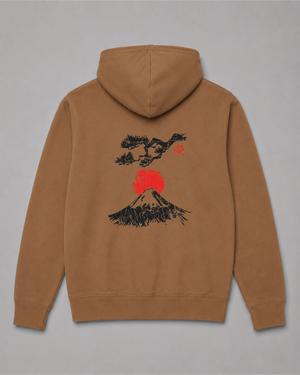
Fundy fog, damp cold and brisk harbour winds mark much of the year in Saint John. A snug hoodie and hat are useful even on summer evenings by the water.
More on the region: Indigenous New Brunswick · all of Canada.
Keep learning in the XUSI Journal
- First Nations, Métis and Inuit: What’s the Difference?
- How to Write a Land Acknowledgement That Means Something
- Orange Shirt Day & the National Day for Truth and Reconciliation
- National Indigenous Peoples Day and History Month: A Guide
- All Journal articles
Saint John questions
What does shipping to Saint John cost?
The shipping cost is calculated at checkout, and orders of $90 or more ship free within Canada. Orders leave Saskatoon within 1–3 business days.
Can I return something shipped to Saint John?
Yes, returns can be requested within 30 days.
Can a Wolastoqey or Mi'kmaw youth group in Saint John order custom shirts?
Yes. Our custom screen printing starts at 10 garments, with up to 4 colours per design, and every order is quoted before printing. Design help is included. If your design uses Wolastoqey words, we suggest checking the wording with a fluent speaker first. We print in Saskatoon and ship east.
What XUSI layers work for Saint John's foggy, windy weather?
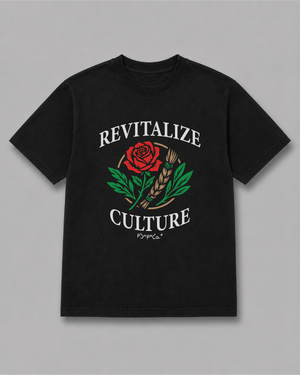
Fundy weather is often damp and cool, even in summer. A heavyweight cotton tee under one of our hoodies covers most days, with a wind or rain shell on top. The A-frame snapback helps in drizzle, and the Revitalize Culture crewneck is a good indoor layer on raw winter days.
Last reviewed . Facts on this page come from the sources listed below.
Indigenous clothing from XUSI
Saint John, meet XUSI. Our Indigenous-owned team works out of Saskatoon on Treaty 6 land and mails hoodies, caps and graphic tees to the Fundy port city.
Saint John weather comes in off the Bay of Fundy, so we think about damp and wind first. A heavyweight 100% cotton tee handles a clear July evening at a waterfront concert. When fog rolls in over the harbour, pull a hoodie from our $59.95 to $89.95 range over it. For a fall walk to watch the tide turn at the Reversing Falls, the Black Oni long sleeve adds a light layer. On a cold night at Harbour Station for a Sea Dogs game, the Revitalize Culture crewneck is a warm choice. Our A-frame snapback keeps sea spray and drizzle off your face on the waterfront.