
Indigenous Selkirk: Treaty 1, Nations and Community
An introduction to Selkirk: its history, the Nations whose lands it sits on, and Indigenous community life today, with sources.
About Selkirk
About 22 km northeast of Winnipeg on the Red River, Selkirk takes its name from Thomas Douglas, 5th Earl of Selkirk, whose settlers began arriving in 1812. Cree and Saulteaux peoples had lived in the Red River Valley for centuries, and Chief Peguis helped the newcomers survive. The nearby St. Peter’s Reserve was surrendered through a disputed 1907 vote that Canada later declared invalid, and most residents relocated to what is now Peguis First Nation. Treaty 1 was signed in 1871 at Lower Fort Garry, a national historic site just south of the city. The Selkirk Friendship Centre, founded in 1967, fosters connection between Indigenous and non-Indigenous residents. Selkirk markets itself as the Catfish Capital of the World, and its economy leans on tourism, a Gerdau steel mill and the Selkirk Mental Health Centre. The Marine Museum of Manitoba preserves the history of Lake Winnipeg and the river.
Selkirk history
The lower Red River was home to Anishinaabe and Saulteaux people long before any townsite. By the mid-1800s, Swampy Cree and Saulteaux families farmed at St. Peter's Parish, an agricultural community on the river. On August 3, 1871, the Anishinabek and Swampy Cree of southern Manitoba signed Treaty 1. Signatories included Red Eagle, also known as Henry Prince, along with Yellow Quill and Bird Forever. The treaty set aside 160 acres per family of five and promised a school on each reserve. Farm tools, livestock and clothing were promised aloud but left out of the text. Ottawa did not formally recognize these outside promises until April 30, 1875. That same year, talk of a CPR crossing at Selkirk set off a frenzy of land speculation and building. Winnipeg won the crossing instead. Selkirk turned to the river, growing as a port for shipbuilding, lumber, fish exports and farm services. Knox Presbyterian Church went up in 1876, and Selkirk became a town in 1882. A railway to Winnipeg began daily service in 1908. Manitoba Rolling Mills opened in 1913, the start of the city's steel industry. The lift bridge opened in spring 1937, after construction during the Depression. Selkirk became a city in 1998.
Treaty and territory
Selkirk is on Treaty 1 territory, the lands of the Anishinaabe, Cree, Oji-Cree, Dakota and Dene peoples, and the homeland of the Métis.
Nearby: St. Andrews · St. Clements · Lockport · East Selkirk · Brokenhead Ojibway Nation
Indigenous Selkirk today
Peguis First Nation, the community most closely tied to Selkirk's past, has about 10,246 members of Ojibway and Cree descent. It describes itself as the largest First Nation community in Manitoba. The Nation speaks openly of its forced removal from St. Peter's reserve. It also names the repeated floods at Peguis 1B as part of that journey. Its website also points members to the Peguis Surrender Claim Trust. Métis life is organized locally too. The Selkirk Red River Métis Local, part of the Manitoba Métis Federation's Interlake Region, held a meeting at the Selkirk Friendship Centre on June 6, 2026. Another Interlake local is based in Gimli. Just south of the city, Lower Fort Garry acknowledges Treaty 1 territory as the homeland of several Indigenous nations and the Red River Métis. The site's programming has included Gabeshiwin, an Indigenous camp program, and a Knowledge Sharing Series. Costumed interpreters and stone buildings bring the fur trade era to life between May and September. Together, these places let Selkirk residents learn the treaty story on the same stretch of river where it was signed.
Life in Selkirk
Selkirk had 10,504 people at the 2021 census, up from 10,278 in 2016. The steel mill, first opened as Manitoba Rolling Mills and now run by Gerdau, is the major employer. Light manufacturing, services and government offices fill out the economy. Selkirk Park is the city's recreation hub, with a campground, pool, splash pad and skatepark. An arena, curling club, outdoor rink and recreation complex keep winter busy, and tobogganing is a seasonal draw. History sits close by. The St. Andrews Locks, a national historic designation since 1990, lie upriver. Lower Fort Garry was designated in 1950. The old Selkirk post office, built from 1907 to 1909, became a community art centre in 1984. Nature lovers head west to Oak Hammock Marsh, named a Ramsar wetland of international importance in 1987. The Gaynor Family Regional Library and Selkirk Transit serve residents year-round.
Selkirk seasons and weather
Selkirk shares Manitoba’s pattern of cold, snowy winters and warm summers, so wardrobes here rotate between lightweight tees and insulated layers as the seasons turn.
More on the region: Indigenous Manitoba · all of Canada.
Keep learning in the XUSI Journal
- The Numbered Treaties, Explained
- Treaty Annuity Payments and Treaty Days, Explained
- Nêhiyawêwin: A Beginner's Guide to the Cree Language
- First Nations, Métis and Inuit: What’s the Difference?
- All Journal articles
Selkirk questions
Can Selkirk customers send an item back?
Yes, returns can be requested within 30 days. Because pickup is available only in Saskatoon, Selkirk orders arrive by shipment.
Do orders to Selkirk qualify for free shipping?
When your order reaches $90 or more, it ships free within Canada. Below that amount, shipping is calculated at checkout.
Could the Selkirk Red River Métis Local or a Peguis group order custom shirts?
Yes. Custom screen printing starts at 10 garments, allows up to 4 colours per design, and every order is quoted before printing. Design help is included, so we can work with your logo, local name or Anishinaabemowin and Cree wording you supply. We print in Saskatoon and ship to Selkirk.
Are there XUSI designs that speak to treaty history like Selkirk's?
We are based in Saskatoon on Treaty 6 territory, and many of our designs carry a Cree word and story, shared on our meanings page. Treaty 1 has its own history. For a design tied to it, custom printing with your own artwork or text is the best route.
Last reviewed . Facts on this page come from the sources listed below.
Indigenous clothing from XUSI
Selkirk sits just downstream from Winnipeg, and XUSI, an Indigenous-owned brand out of Saskatoon, delivers its hats, hoodies and tees to homes along this stretch of the Red River.
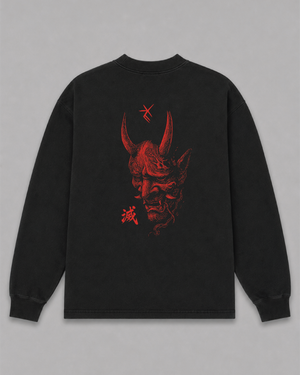
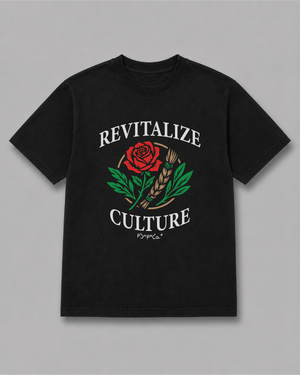
Selkirk life follows the river through every season. We would pack a heavyweight 100% cotton tee for a July weekend camping in Selkirk Park or cooling off at the splash pad. For a spring walk to Lower Fort Garry, the Black Oni long sleeve handles cool air off the Red. A heavy hoodie is the natural choice for curling club nights, outdoor skating and tobogganing in January. The Golden Era ringer tee suits a summer ball game on the city's fields. Visitors to Oak Hammock Marsh can top off with an A-frame snapback to keep the sun out of their eyes.