
Indigenous Steinbach: Treaty 1, Nations and Community
An introduction to Steinbach: its history, the Nations whose lands it sits on, and Indigenous community life today, with sources.
About Steinbach
Steinbach, a German name meaning stony brook, lies about 58 km southeast of Winnipeg and is the third-largest city in Manitoba. Plautdietsch-speaking Mennonites from present-day Ukraine settled it in 1874, and the Mennonite Heritage Village, opened in 1967 and recognized by its windmill, tells that story. Long before settlement, the surrounding lands were used by Anishinaabe, Assiniboine and Cree peoples, and they fall within Treaty 1, signed in 1871. Once mostly agricultural, Steinbach grew into a regional hub nicknamed Automobile City for its many vehicle dealerships, and manufacturing, financial services, retail and tourism now round out the economy. Steinbach Bible College is based in the city, and the Eastman Education Centre offers courses in partnership with institutions including Red River College and the University of Winnipeg.
Steinbach history
Treaty 1 was signed on August 3, 1871, at Lower Fort Garry. The Anishinabe and Swampy Cree Nations entered it with the Crown. That treaty came before the land around Steinbach was opened to newcomers. On March 3, 1873, Ottawa set aside eight townships east of the Red River for Russian Mennonite settlers. This block became known as the East Reserve. Its settlers came mainly from the Kleine Gemeinde and Bergthaler churches. The first village was Gruenfeld, now called Kleefeld. By 1878 about 3,000 people lived on the reserve, spread across more than 50 villages. Grunthal, Kleefeld and Blumenort are among the few that survive today, along with Steinbach. Eighteen Kleine Gemeinde families built a traditional farming village at Steinbach in 1874. The town never had a rail line, yet it slowly overtook Chortitz as the reserve’s unofficial centre. It grew into a commercial, industrial and administrative hub for the surrounding farm country. Steinbach was incorporated as a town in 1946. It became a city in 1997, and its population passed 13,500 by 2011.
Treaty and territory
Steinbach is on Treaty 1 territory, the lands of the Anishinaabe, Cree, Oji-Cree, Dakota and Dene peoples, and the homeland of the Métis.
Nearby: Niverville · Blumenort · Mitchell · Grunthal · Ste. Anne · La Broquerie
Indigenous Steinbach today
Treaty One Nation represents the seven First Nations that were party to the 1871 agreement. They are Peguis, Sagkeeng, Brokenhead Ojibway, Roseau River Anishinaabe, Long Plain, Sandy Bay Ojibway and Swan Lake. On August 3, 2021, the Nation and Canada marked the treaty’s 150th anniversary. New Treaty Medals were presented to each First Nation. The Mennonite Heritage Village acknowledges Treaty 1 territory as home to the Anishinaabe, Ininew, Oji-Cree and Dakota peoples. It also names the lands of the Red River Métis Nation. In November 2021, the Hanover School Division approved a treaty acknowledgement statement. Plaques recognizing treaty land were to be placed on all of its properties. School leaders can read the statement at the start of events. Indigenous residents are also building community in the city itself. On June 22, 2025, a National Indigenous Peoples Day gathering at E.A. Friesen Park launched a new Indigenous community group. A naming ceremony marked the start, and participants cleaned up the park together. The group plans teaching events and celebrations so local families need not travel to Winnipeg for cultural programming.
Life in Steinbach
Steinbach counted 17,806 people in 2021, up 11.1 percent in five years. It serves a trade area of about 50,000 people. Immigrants now make up about a fifth of residents, arriving mainly from the Philippines, India, Ukraine and Nigeria. Trucking and light manufacturing sit alongside car sales in the local economy. Faith shapes the city in a visible way, with roughly one church for every 500 people. The Mennonite Heritage Village spreads across 40 acres and welcomes about 47,000 visitors a year. Its Livery Barn Restaurant serves heritage breads and Mennonite dishes. Hockey fans follow the Steinbach Pistons of the Manitoba Junior Hockey League. The team has won three Turnbull Cups, most recently in 2022–23. The Southeast Event Centre opened in 2025 as its new home. A.D. Penner Park hosts baseball and football. The heritage village also runs free weekly Exhibit Explorers programs for children and a Christmas Market. Steinbach averages about 580 mm of precipitation a year.
Steinbach seasons and weather
Southeastern Manitoba has cold winters and warm summers, which makes a hoodie over a tee a practical base for most of the year, with a hat added once the snow arrives.
More on the region: Indigenous Manitoba · all of Canada.
Keep learning in the XUSI Journal
- The Numbered Treaties, Explained
- Treaty Annuity Payments and Treaty Days, Explained
- Nêhiyawêwin: A Beginner's Guide to the Cree Language
- First Nations, Métis and Inuit: What’s the Difference?
- All Journal articles
Steinbach questions
Can a Steinbach church group or sports team order custom shirts?
Yes. Custom screen printing has a 10-garment minimum, supports up to 4 colours per design, and every order is quoted before printing. Everything is printed in Saskatoon and shipped to you.
Where do Steinbach orders ship from?
They ship from Saskatoon and leave within 1–3 business days. You’ll see the shipping cost at checkout.
Could a new Indigenous community group in Steinbach order shirts for its gatherings?
Yes. Custom runs start at 10 garments, with up to 4 colours per design, and every order is quoted before printing. We help with the artwork and print exactly the wording your group approves, including words in your own language. Everything is printed in Saskatoon and shipped to Steinbach.
Do XUSI designs relate to Treaty 1?
Our home is Saskatoon, in Treaty 6 territory, and many designs carry Cree words explained on our meanings page. Treaty 1 is a different treaty with its own Nations. Wearing our designs in Steinbach can still be a way to start conversations about treaties and whose land you live on.
Last reviewed . Facts on this page come from the sources listed below.
Sources for this page
- Steinbach, The Canadian Encyclopedia
- East Reserve, Wikipedia
- Treaty One Nation and Government of Canada commemorate 150th anniversary of Treaty No. 1, Parks Canada
- Mennonite Heritage Village
- HSD acknowledges traditional land, SteinbachOnline
- National Indigenous Peoples Day event sparks new group in Steinbach, SteinbachOnline
- Steinbach, Manitoba, Wikipedia (2021 census, climate and sports figures)
Indigenous clothing from XUSI
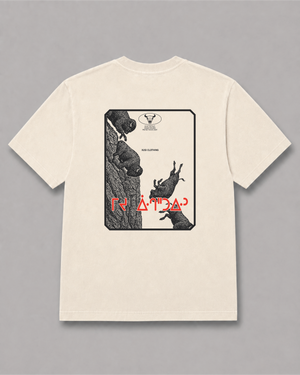
Shoppers in Steinbach can order Indigenous-made style from XUSI, an Indigenous-owned company in Saskatoon whose tees, hats and hoodies ship to the city and to smaller towns across the Eastman region.
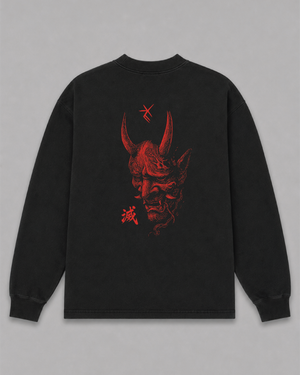
Steinbach temperatures have ranged from 37.5°C in August 1988 to −43.5°C in February 1996, so we plan for both ends. A heavyweight cotton tee and an A-frame snapback handle summer ball games at A.D. Penner Park. For a fall walk through the Mennonite Heritage Village, a Black Oni long sleeve or Golden Era ringer tee is plenty. Once the Pistons are playing at the Southeast Event Centre, a hoodie is the easy rink layer. In a prairie January, when snow drifts across the Eastman fields, our heaviest hoodie works best under a parka.