
Indigenous Thompson: Treaty 5, Nations and Community
An introduction to Thompson: its history, the Nations whose lands it sits on, and Indigenous community life today, with sources.
About Thompson
Thompson was established in the late 1950s after the discovery of a major nickel ore body, and nickel mining, first by Inco and now by Vale, has shaped it ever since. Bordered by the Burntwood River, it calls itself the Hub of the North because it supplies health care, retail and other services to surrounding communities. One of the two main campuses of University College of the North is located here. Nisichawayasihk Cree Nation, based at Nelson House about 80 km to the west, completed the conversion of its Mystery Lake lands inside city limits into an urban reserve in 2016. The Ma-Mow-We-Tak Friendship Centre offers programs and advocacy for Indigenous residents. Along the roughly 2 km Spirit Way walking and cycling path, visitors find what is described as the largest photo-real mural in Canada, plus dozens of painted wolf statues.
Thompson history
Nisichawayasihk Cree Nation, whose urban reserve lies inside Thompson, counts Treaty Five among its key agreements. Treaty commissioners met Cree, Swampy Cree, Ojibwe and Oji-Cree leaders around Lake Winnipeg in 1875 and 1876. Signings took place at Berens River, Norway House, Grand Rapids, Dog Head Point and The Pas. The treaty area covered roughly 258,999 square kilometres. Northern communities joined later through adhesions. Nelson House and Split Lake signed in 1907, and Norway House and Cross Lake followed in 1908. Oxford House, God’s Lake, Island Lake, Fort Churchill and York Factory signed in 1909 and 1910. Treaty 5 set aside 160 acres per family and promised annual payments. In 1956, prospectors found significant nickel deposits 32 km southwest of Moak Lake. Construction began by the winter of 1957. The Canadian Encyclopedia says production started in 1961 at the Western world’s first integrated nickel mining, smelting, concentrating and refining complex. The new town was named for John F. Thompson, Inco’s chairman. Planners laid it out with full health, education, water and protection services from the start. The goal was to prevent the uncontrolled growth seen in other resource towns. Thompson became a city in 1970. Census counts show 13,446 residents in 2006 and 12,829 in 2011.
Treaty and territory
Thompson is on Treaty 5 territory, the traditional lands of the Cree, and the homeland of the Métis. It is a hub for many northern Manitoba First Nations.
Nearby: Nisichawayasihk Cree Nation (Nelson House) · Norway House Cree Nation · Pimicikamak Cree Nation (Cross Lake) · Thicket Portage · Wabowden
Indigenous Thompson today
Regional First Nations organizations keep a presence in Thompson. Manitoba Keewatinowi Okimakanak, incorporated in 1981, represents 26 First Nations in Northern Manitoba. Its member Nations signed Treaties 4, 5, 6 and 10. MKO’s head office is at Nelson House, and it also keeps an office on Selkirk Avenue in Thompson. Its mission is to defend the rights and interests of First Nations people in its jurisdiction. It also works to secure a quality of life its member Nations find acceptable. Nisichawayasihk Cree Nation describes itself as the first Manitoba First Nation to adopt its own constitution, called Othasowewin. It runs the Wuskwatim Generating Station as an economic development project with community benefits. Its Nîhithowîtan program invites people to learn Cree online, anywhere and anytime. The Nisichawayasi Nehetho Culture and Education Authority oversees schooling. The Nation has scheduled an Orange Shirt Day Walk for Truth and Reconciliation on September 29, 2026. In town, the Heritage North Museum introduces visitors to the Indigenous peoples of Northern Manitoba. Its boreal forest diorama includes a caribou hide tipi.
Life in Thompson
Thompson is a gateway to lakes, waterfalls and ski hills. Paint Lake Provincial Park lies 32 km south on Highway 6. It protects 56,000 acres of Precambrian boreal forest around a lake about 25 miles long. The park holds Manitoba’s largest marina, and winter brings ice fishing derbies and groomed snowmobile trails. About 45 minutes south, a short trail at Pisew Falls Provincial Park leads to a 13-metre falls. From a suspension bridge, a rugged seven-mile hike reaches Kwasitchewan Falls, the highest waterfalls in Manitoba. Twenty minutes north on Provincial Road 280, Mystery Mountain Winter Park runs 18 downhill runs and 5 lifts. It also grooms more than 10 kilometres of cross-country trails. The Thompson Ski Club, a non-profit, owns and runs it. The Heritage North Museum’s two log buildings hold a woolly mammoth tusk, fossils and Inco mining artifacts.
Thompson seasons and weather
Thompson’s subarctic climate means long, severely cold winters and short, warm summers, so pulling a hoodie on under a parka and keeping a hat close is standard for much of the year.
More on the region: Indigenous Manitoba · all of Canada.
Keep learning in the XUSI Journal
- The Numbered Treaties, Explained
- Treaty Annuity Payments and Treaty Days, Explained
- Nêhiyawêwin: A Beginner's Guide to the Cree Language
- First Nations, Métis and Inuit: What’s the Difference?
- All Journal articles
Thompson questions
Is there a minimum if my Thompson crew wants custom printed shirts?
The minimum is 10 garments. Designs can use up to 4 colours, help with the artwork is included, and every order is quoted before printing.
How soon does an order bound for Thompson leave Saskatoon?
Orders go out within 1–3 business days. Shipping is calculated at checkout, and orders of $90 or more ship free within Canada.
Can a Thompson ski club or ice fishing derby get custom printed hoodies?
Yes. Our custom screen printing works for clubs and events, with a 10-garment minimum and up to 4 colours per design. Every order gets a full quote before anything is printed, and design help is included. We print everything in Saskatoon and ship it north to Thompson.
What should I wear for a trip to Pisew Falls or Paint Lake?
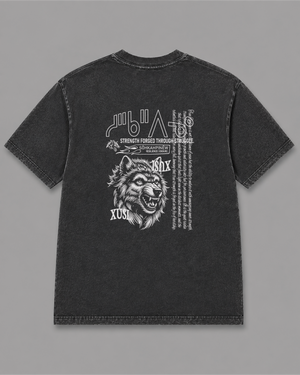
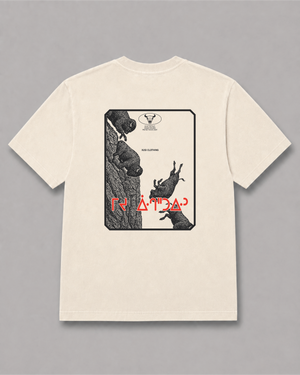
For summer trails and lake days, our heavyweight 100% cotton tee, $49.95, and an A-frame snapback, $44.95, are easy choices. Northern evenings cool off quickly, so pack our Black Oni long sleeve, $54.95, or a hoodie from our $59.95 to $89.95 range for the campsite.
Last reviewed . Facts on this page come from the sources listed below.
Sources for this page
- Thompson – The Canadian Encyclopedia
- Treaty 5 – The Canadian Encyclopedia
- Nisichawayasihk Cree Nation
- About MKO – Manitoba Keewatinowi Okimakanak
- Heritage North Museum – City of Thompson
- Paint Lake Provincial Park – City of Thompson
- Pisew Falls Provincial Park – City of Thompson
- Mystery Mountain Winter Park – City of Thompson
Indigenous clothing from XUSI
From Saskatoon to the Hub of the North, XUSI ships Indigenous-owned apparel to Thompson, so tees, hoodies and hats from a Prairie brand can reach northern Manitoba.
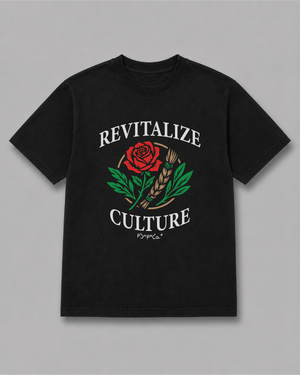
Thompson’s year swings from ski hill to lakeshore, so we think in layers. For a day on the runs at Mystery Mountain, one of our hoodies works well under a shell. An ice fishing derby on Paint Lake calls for the Revitalize Culture crewneck under your warmest parka. When the ice goes out, the Black Oni long sleeve is a good fit for a cool morning on the water. For the hike to Kwasitchewan Falls in summer, our heavyweight cotton tee and an A-frame snapback keep it simple. We ship all of it from Saskatoon to the Hub of the North.