
Indigenous Winkler: Treaty 1, Nations and Community
An introduction to Winkler: its history, the Nations whose lands it sits on, and Indigenous community life today, with sources.
About Winkler
Winkler counted 13,745 residents in the 2021 census, making it the fourth-largest city in Manitoba. Its wider metro area reached 32,655 people. The city sits on flat, fertile farmland about 13 km east of its twin city, Morden. Anishinaabe peoples lived on these lands long before Treaty 1 was signed in 1871. Winkler grew from a railway siding set on land owned by Valentine Winkler, a lumber businessman and politician. It became a village in 1906, a town in 1954 and a city in 2002. Today Winkler calls itself an economic hub for southern Manitoba. Manufacturing employs about 30% of the workforce, led by makers of recreational vehicles. Farms around the city grow potatoes, wheat, canola, corn and beans. A 2024 study ranked it among Canada's most linguistically diverse cities.
Winkler history
The land around Winkler was traditionally home to Anishinaabe peoples. On August 3, 1871, Canada signed Treaty 1 with the Anishinaabe and Swampy Cree of southern Manitoba at Lower Fort Garry. The treaty covered the Red River Valley and much of south-central Manitoba. Its written terms set aside reserves of 160 acres for each family of five. They also promised schools on reserves, a $3 gratuity and yearly annuities. Plows, livestock and other items promised aloud were left out of the text. An 1875 order-in-council recognized those outside promises and raised the annuity to $5. In the 1870s, Canada set aside the West Reserve for Mennonite immigrants from Russia. Low German-speaking Mennonites began settling there in 1876, forming farm villages across the prairie. The first Mennonite Brethren congregation was founded at nearby Burwalde in 1888. In 1892, the Canadian Pacific Railway built a siding on land owned by Valentine Winkler. He persuaded the railway to run its spur line through, and the village took his name. Winkler incorporated as a village in 1906 and a town in 1954. It became a city in 2002, after decades of growth in manufacturing and farming.
Treaty and territory
Winkler is on Treaty 1 territory, the traditional lands of the Anishinaabe peoples. Treaty 1 was signed at Lower Fort Garry in August 1871.
Nearby: Morden · Swan Lake First Nation · Roseau River Anishinabe First Nation · Altona · Plum Coulee · Carman
Indigenous Winkler today
Winkler sits within the lands of Treaty 1, and seven First Nations belong to the Treaty One governance body. They include Swan Lake, Roseau River Anishinaabe, Long Plain, Peguis, Brokenhead, Sagkeeng and Sandy Bay. Treaty One also runs a development corporation focused on careers for its people and on reconciliation. Swan Lake First Nation is the closest, an Ojibway Anishinaabe community in the Pembina Valley region. Its name comes from the Ojibwe Gaa-biskigamaag, described as the lake that is curved. The Nation manages four reserve areas and counted 1,461 members in 2021. Most of them live off reserve. Red River Métis families are also part of Winkler life. Local restaurant owner Charllotte Guenther, of Métis and Mennonite heritage, runs Charley B's Classic Grill & Ice Cream Parlour. The Manitoba Métis Federation highlighted it as one of seven Red River Métis restaurants in the province. She serves bannock from a family recipe and marks Truth and Reconciliation Day with special menus. Garden Valley School Division also closes its Winkler schools on September 30 for the National Day for Truth and Reconciliation.
Life in Winkler
Winkler's economy runs on making things. Manufacturing is the biggest employer, and recreational vehicle maker Triple E is among the largest companies in town. Mobile homes and farm machinery have also been built here. The city is growing quickly through immigration. Between 2016 and 2021, its immigrant population rose by 79%. Many newcomers are ethnic Germans from the former Soviet Union or Low German Mennonites returning from Latin America. In mid-August, the Harvest Festival and Exhibition fills Winkler Parkland with a parade, midway, live stage acts and fireworks. The Winkler Flyers play junior hockey in the Manitoba Junior Hockey League, and Hall of Famer Ed Belfour is an alumnus. The Winkler Arts and Culture Centre runs exhibitions and classes in the former utilities building. The Pembina Threshermen's Museum preserves the area's farming history.
Winkler seasons and weather
Winkler has a continental climate with long, cold winters and warm summers. January averages about −11 degrees and July about 25 degrees. The area gets roughly 120 cm of snow a year and a frost-free season of about 125 days. Flat, open land means wind, so a heavy hoodie and toque are winter basics.
More on the region: Indigenous Manitoba · all of Canada.
Keep learning in the XUSI Journal
- The Numbered Treaties, Explained
- Treaty Annuity Payments and Treaty Days, Explained
- First Nations, Métis and Inuit: What’s the Difference?
- How to Write a Land Acknowledgement That Means Something
- All Journal articles
Winkler questions
Do you ship XUSI clothing to Winkler, Manitoba?
Yes. Orders of $90 or more ship free to Winkler and anywhere else in Canada. Orders under $90 show the shipping cost at checkout. Every order leaves our Saskatoon shop within 1 to 3 business days.
Can you print custom shirts for a Winkler team or school group?
Yes. Custom screen printing starts at 10 garments, with up to 4 colours per design. Every order gets a full quote before anything is printed, and design help is included. We print in Saskatoon and ship the finished order to you in Winkler.
What does Treaty 1 mean for people in Winkler?
Winkler sits on land covered by Treaty 1, signed in 1871 with the Anishinaabe and Swampy Cree. Swan Lake First Nation, a Treaty 1 Nation, is nearby in the Pembina Valley. Our shop is on Treaty 6 land in Saskatoon, and our designs carry Cree words and stories you can read on our meanings page.
Which XUSI pieces work for a Winkler winter?
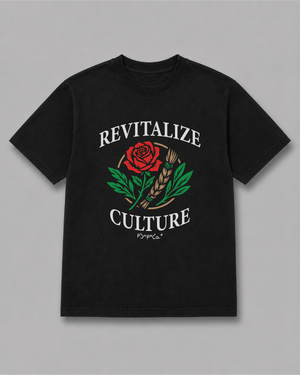
Winkler's January averages around −11 degrees, and open fields bring strong wind. We suggest a heavyweight hoodie or the Revitalize Culture crewneck as a warm mid-layer, with the Black Oni long sleeve underneath. Pair them with your winter coat for the walk into the arena or the commute to work.
Last reviewed . Facts on this page come from the sources listed below.
Sources for this page
Indigenous clothing from XUSI
Winkler is a fast-growing prairie city on Treaty 1 land, and XUSI ships its Cree-inspired tees, hoodies and hats from Saskatoon to homes, rinks and farmyards across the Pembina Valley.
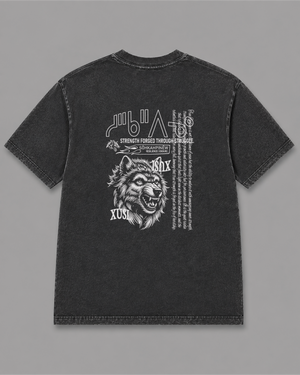
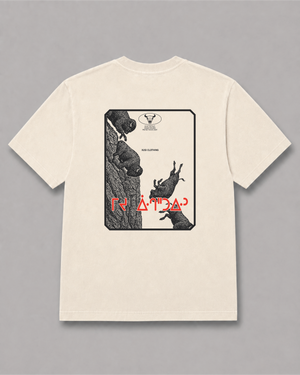
Winkler life moves from the rink to the field, so we think about gear that works for both. A heavy hoodie is the right call for cold Winkler Flyers games at the arena in January. When wind sweeps across the open farmland, our Revitalize Culture crewneck layers well under a parka. In summer, a heavyweight cotton tee handles long days in the potato and canola fields. For the Harvest Festival parade in August, a Golden Era ringer tee and an A-frame snapback keep things easy in the sun. Our women's baby rib tee works for evenings on the Parkland midway.