
Indigenous Barrie: Treaties 16 and 18, Nations and Community
An introduction to Barrie: its history, the Nations whose lands it sits on, and Indigenous community life today, with sources.
About Barrie
Barrie had 147,829 residents in the 2021 census, with 212,856 people in its wider metro area. The city curves around Kempenfelt Bay, an arm of Lake Simcoe, in Central Ontario. Anishinaabeg nations of the Three Fires Confederacy, the Odawa, Ojibwe and Pottawatomi, call this region home. The Wendat Nation lived here before the middle of the 17th century. Barrie is a single-tier city covering about 99 square kilometres. Highway 400 and GO Transit rail link it to Toronto's Union Station. Its economy mixes education, health care, technology and manufacturing. Georgian College has a major Barrie campus with more than 10,000 full-time students. The Royal Victoria Regional Health Centre serves the growing region. Waterfront parks, ski hills and lake-effect snow shape everyday life here.
Barrie history
The Wendat Nation occupied the lands around Barrie until the middle of the 17th century. Anishinaabeg nations of the Three Fires Confederacy have long called the region home. The Nine Mile Portage, linking Kempenfelt Bay to the site of Fort Willow, was an Indigenous travel route long before the British used it. During the War of 1812, British forces made the site a supply depot. The old portage became part of a military supply line through Fort Willow. In 1815, the Crown and Anishinaabe signed Treaty 16, the Lake Simcoe Purchase, at Kempenfelt Bay. It covered about 100,000 hectares, including the Penetanguishene Road and the future Barrie, Orillia and Midland. Treaty 18, the Nottawasaga Purchase, followed on October 17, 1818. The settlement was named in 1833 for Sir Robert Barrie, a British naval commander. It became a village in 1854, a town in 1870 and a city in 1959. In 1923, seven Anishinaabe First Nations signed the Williams Treaties, which covered about 52,000 square kilometres. Those treaties took away harvesting rights without the Nations' full understanding. On May 31, 1985, an F4 tornado killed eight people in Barrie and damaged or destroyed over 600 homes.
Treaty and territory
Barrie is on lands covered by Treaty 16 (1815) and Treaty 18 (1818), and later the Williams Treaties of 1923. It is the traditional territory of the Anishinaabeg of the Three Fires Confederacy, and the Wendat Nation lived here before the mid-1600s.
Nearby: Innisfil · Orillia · Chippewas of Rama First Nation · Beausoleil First Nation · Chippewas of Georgina Island First Nation · Midland
Indigenous Barrie today
The Williams Treaties First Nations include three communities close to Barrie: Chippewas of Rama, Beausoleil and Chippewas of Georgina Island. In September 2018, Canada and Ontario reached a settlement with all seven Williams Treaties Nations. It included $1.11 billion in compensation and recognized their continuing treaty harvesting rights. Each Nation may also add up to 11,000 acres to its reserve lands. Canada and Ontario committed to an apology as part of the deal. In the city, the Barrie Native Friendship Centre has been a gathering place since September 1987. It was incorporated in 1988 and has been on Bayfield Street since 1993. Its programs include Akwe:Go and Wasa Nabin for children and youth, and Apatisiwin for employment and training. The centre also runs bail supervision, restorative justice and health outreach programs. Executive Director Samantha Kinoshameg has described its approach as holistic, covering physical, mental, emotional and spiritual health. Georgian College, with campuses in Barrie and Midland, offers Indigenous student services and marks Treaties Recognition Week. It also observes September 30 as the National Day for Truth and Reconciliation.
Life in Barrie
Barrie's waterfront is its front porch. Centennial Park and Heritage Park line Kempenfelt Bay, and the Spirit Catcher sculpture by Ron Baird is a well-known landmark there. Kempenfest, an annual festival on the bay, brings together more than 300 artisans. Winter does not slow things down. Anglers set up for ice fishing on Kempenfelt Bay, and Winterfest draws crowds outdoors. Skiers head to nearby Snow Valley and Horseshoe Resort. Hockey matters here too. The Barrie Colts play in the Ontario Hockey League at Sadlon Arena. GO trains run from Barrie to Toronto's Union Station, and Highway 400 is the city's main north-south corridor. Together they make Barrie a busy commuter city. Georgian College and the regional hospital are major employers, alongside technology and manufacturing firms.
Barrie seasons and weather
Barrie has a humid continental climate with cold winters averaging about −7.8 degrees and warm summers near 20 degrees. Lake-effect snow off Georgian Bay and Lake Simcoe brings about 286 cm of snow a year. That means a warm hoodie and toque for months, and a light tee for summer beach days on the bay.
More on the region: Indigenous Ontario · all of Canada.
Keep learning in the XUSI Journal
- First Nations, Métis and Inuit: What’s the Difference?
- How to Write a Land Acknowledgement That Means Something
- Orange Shirt Day & the National Day for Truth and Reconciliation
- National Indigenous Peoples Day and History Month: A Guide
- All Journal articles
Barrie questions
Do you ship XUSI clothing to Barrie?
Yes. Orders of $90 or more ship free to Barrie and anywhere else in Canada. Orders under $90 show the shipping cost at checkout. Every order leaves our Saskatoon shop within 1 to 3 business days.
Can you print custom shirts for a Barrie team or community group?
Yes. Custom screen printing starts at 10 garments, with up to 4 colours per design. Every order gets a full quote before anything is printed, and design help is included. We print everything in Saskatoon and ship the finished order to you in Barrie.
Which treaties cover Barrie?
Barrie sits on lands covered by Treaty 16, signed at Kempenfelt Bay in 1815, and Treaty 18 from 1818. The Williams Treaties of 1923 also apply to the wider region. We are based on Treaty 6 land in Saskatoon, and our designs share Cree words and stories on our meanings page.
What should I wear for a Barrie winter?
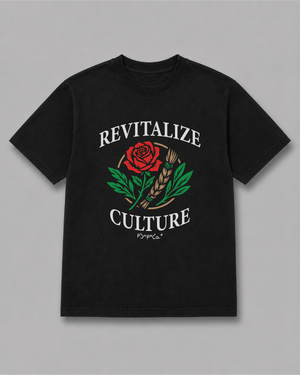
Barrie gets roughly 286 cm of snow a year from lake-effect storms, so warmth and layers matter. We suggest the Black Oni long sleeve as a base with a heavyweight hoodie or Revitalize Culture crewneck on top. Add a winter coat and toque for ice fishing or evening walks along the bay.
Last reviewed . Facts on this page come from the sources listed below.
Sources for this page
- Barrie - Wikipedia
- Land Acknowledgement - City of Barrie
- Treaties Recognition Week - Georgian College
- About - Barrie Native Friendship Centre
- Barrie Native Friendship Centre: Making a Difference for Over 30 Years - Barrie Community Media
- Canada, Ontario and Williams Treaties First Nations reach negotiated settlement - Government of Canada
- Georgian College
Indigenous clothing from XUSI
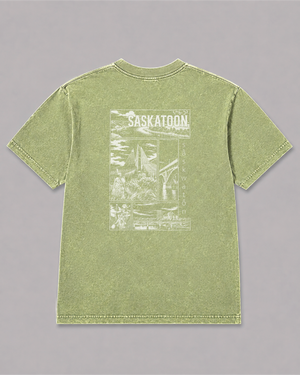
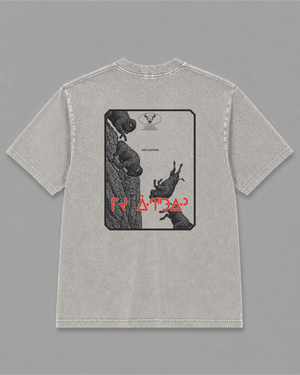
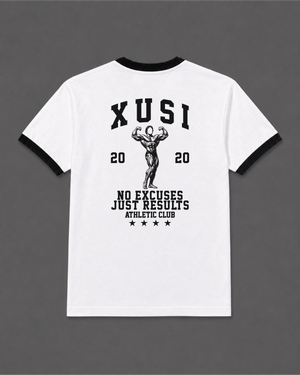
On the shores of Kempenfelt Bay, Barrie folks can wear Indigenous-designed tees, hoodies and hats from XUSI, printed and packed in our Saskatoon shop and shipped east to Simcoe County.
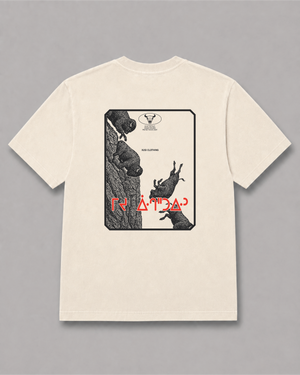
Barrie gets serious lake-effect snow, so we lean on layers here. A heavyweight hoodie over the Black Oni long sleeve works for ice fishing on Kempenfelt Bay or a cold night at a Colts game. Skiers heading to Snow Valley or Horseshoe can wear the Revitalize Culture crewneck under a shell. When summer arrives, a heavyweight cotton tee suits Centennial Beach and Kempenfest strolls. An A-frame snapback keeps sun off your face on the waterfront trail. For commuters on the GO train, a women's baby rib tee under a jacket stays neat all day.