
Indigenous Cambridge Bay: Iqaluktuuttiaq, Nations and Community
An introduction to Cambridge Bay: its history, the Nations whose lands it sits on, and Indigenous community life today, with sources.
About Cambridge Bay
Cambridge Bay had 1,760 residents in the 2021 census. The hamlet sits on the southeast coast of Victoria Island in Nunavut's Kitikmeot Region. Its Inuinnaqtun name, Iqaluktuuttiaq, means good fishing place. Government work is the main employer, alongside fishing, hunting and trapping. The Canadian High Arctic Research Station campus opened here on August 21, 2019. Nunavut Arctic College runs its Kitikmeot Campus in the community. The Kitikmeot Inuit Association has its headquarters on Mitik Street. The May Hakongak Community Library and Cultural Centre holds a museum, archives, gallery and library. Arctic char, barren-ground caribou and muskox remain important country foods. The hamlet is also home to Pitquhirnikkut Ilihautiniq, the Kitikmeot Heritage Society.
Cambridge Bay history
The Inuinnait, known in older records as the Copper Inuit, have lived in this region for generations. The Canadian Encyclopedia notes that they made tools from native copper and traded them with other groups. The name Iqaluktuuttiaq, good fishing place, points to the bay's importance for fishing. The Hudson's Bay Company opened a post here in 1921. In 1925 the company bought the Maud, a ship once used by explorer Roald Amundsen. It became stuck in the winter ice at Cambridge Bay in 1926 and sank in 1930. A Loran navigation beacon was built in 1947. A Distant Early Warning Line site followed in 1955. That brought more permanent Inuit settlement across the bay. In 1981, Cambridge Bay became an administrative centre of the Northwest Territories. On May 25, 1993, the Nunavut Agreement was signed in Iqaluit. It gave Inuit title to about 350,000 square kilometres of land. It was described as the largest Aboriginal land claim settlement in Canadian history. Nunavut became its own territory on April 1, 1999, and Cambridge Bay remained a government hub. The old DEW Line site now serves as a North Warning System station.
Treaty and territory
Cambridge Bay, Iqaluktuuttiaq, is Inuinnait homeland in Nunavut, covered by the Nunavut Agreement signed on May 25, 1993. The Kitikmeot Inuit Association manages Inuit lands in trust for the region.
Nearby: Kugluktuk · Gjoa Haven · Taloyoak · Kugaaruk · Victoria Island · Queen Maud Gulf
Indigenous Cambridge Bay today
Inuinnait culture is at the centre of community life in Cambridge Bay. Pitquhirnikkut Ilihautiniq, the Kitikmeot Heritage Society, works to revitalize Inuinnaqtun language and culture. It says the language now has fewer than 500 speakers. The society runs the May Hakongak Community Library and Cultural Centre. It also runs the Kuugalaaq Cultural Campus, a training site for immersive language programs and workshops. Its work includes Inuinnait archaeology, digital language resources and mentorship. The society also operates Kaapittiaq, an Inuit-owned coffee company that supports cultural revival. The Kitikmeot Inuit Association is a Designated Inuit Organization under the Nunavut Agreement. It represents Inuit in Cambridge Bay, Kugluktuk, Gjoa Haven, Taloyoak and Kugaaruk. Its departments cover economic development and training, lands and environment, and social and cultural development. Leadership is elected by community members. Across the territory, Nunavut Tunngavik Incorporated ensures the promises of the Nunavut Agreement are kept. Its mission is Inuit economic, social and cultural well-being. Nunavut Arctic College's Kitikmeot Campus adds post-secondary learning close to home.
Life in Cambridge Bay
Cambridge Bay is known as a regional hub and a centre for Arctic science. The Canadian High Arctic Research Station was announced in 2010 and opened in 2019. It brings researchers to the community and provides local jobs. Fishing and hunting remain part of everyday life. Arctic char, caribou and muskox are important foods. The seasons are dramatic, with weeks of polar night in winter and midnight sun in summer. History is visible around the bay. The Loran tower from 1947 still helps guide aircraft. The former DEW Line site now operates as a North Warning station. The Maud, the ship that once belonged to Roald Amundsen, sank in the bay in 1930. The Kitikmeot Heritage Society gallery shares Inuinnait art and history.
Cambridge Bay seasons and weather
Cambridge Bay has an Arctic climate, and no month averages 10°C or higher. Polar night lasts from late November to mid-January. Midnight sun runs from mid-May to late July. Warm layers are needed almost all year, and a hoodie is a summer staple here rather than just a winter one.
More on the region: Indigenous Nunavut · all of Canada.
Keep learning in the XUSI Journal
- First Nations, Métis and Inuit: What’s the Difference?
- How to Write a Land Acknowledgement That Means Something
- Orange Shirt Day & the National Day for Truth and Reconciliation
- National Indigenous Peoples Day and History Month: A Guide
- All Journal articles
Cambridge Bay questions
How does shipping to Cambridge Bay work?
Orders of $90 or more ship free to Cambridge Bay and anywhere in Canada. Orders under $90 show the shipping cost at checkout. Every order leaves our Saskatoon shop within 1 to 3 business days.
Can you print shirts for a Cambridge Bay group or team?
Yes. Custom screen printing starts at 10 garments, with up to 4 colours per design. Every order gets a full quote before anything is printed, and design help is included. We print in Saskatoon and ship your order north to you.
How long will it take for my order to reach Cambridge Bay?
Every order leaves our Saskatoon shop within 1 to 3 business days. After that, travel time to Cambridge Bay depends on the carrier and northern routes, so we cannot promise a set delivery date. Orders over $90 ship free, and smaller orders show shipping cost at checkout.
Does XUSI have a store in Cambridge Bay or elsewhere in Nunavut?
No. We have no store, stockist or event booth in Nunavut. Outside our online shop, our only retail presence is at Wanuskewin near Saskatoon. Cambridge Bay customers order online, and we ship every order from Saskatoon.
Last reviewed . Facts on this page come from the sources listed below.
Indigenous clothing from XUSI
On the southeast coast of Victoria Island, whose Inuinnaqtun name means good fishing place, Cambridge Bay residents can order Indigenous-designed XUSI tees, hoodies and hats that we print in Saskatoon and ship north.
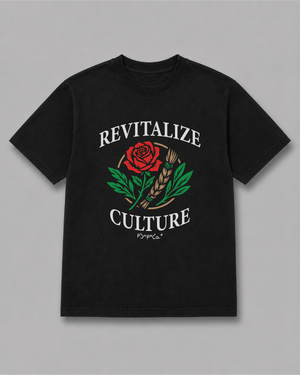
With no month averaging above 10°C, Cambridge Bay makes our heavyweight hoodies useful in every season. They layer well under a parka during polar night. The Revitalize Culture crewneck adds warmth indoors and at community gatherings, and it carries a Cree word and story. Our Black Oni long sleeve works for fishing char under the midnight sun. On the mildest July days, a 100% cotton tee or Golden Era ringer under a hoodie is plenty. Our A-frame snapback helps with glare off snow and water during long bright days in spring.