
Indigenous Campbell River: Liǧʷiłdax̌ʷ Territory, Nations and Community
An introduction to Campbell River: its history, the Nations whose lands it sits on, and Indigenous community life today, with sources.
About Campbell River
Campbell River had 35,519 residents in the 2021 census, making it one of the main centres on central Vancouver Island. The city looks across Discovery Passage toward Quadra Island, about three hours' drive north of Victoria and three hours south of Port Hardy. The river it is named for was charted in 1860 by Captain Richards, who named it after Dr Samuel Campbell of HMS Plumper. The community adopted the name when its post office opened in 1907. It became a village in 1947, a district municipality in 1964 and a city in 2005. Forestry, commercial fishing, mining and tourism drive the local economy. The city calls itself the Salmon Capital of the World, and it serves as a gateway to Strathcona Provincial Park and the wider north island.
Campbell River history
The Liǧʷiłdax̌ʷ people, whose language is Liq'wala, have long held the waters and islands around Campbell River. Their territory runs from the northern end of Johnstone Strait south to the Qualicum River. Wei Wai Kum oral history traces the people to an ancestor named Weqaʔyi. The Nation's treaty office records a move southward from about 1792 onward. By the 1840s the people had settled into peaceful coexistence with Coast Salish neighbours. Captain George Vancouver surveyed these waters in the early 1790s and met Southern Kwakwaka'wakw people here. No historic treaty was ever signed for this land. Settler Campbell River grew around fishing. The Campbell River Tyee Club formed in 1924 in response to concerns about overfishing. E.P. Painter opened a fishing lodge in 1929 that drew Hollywood stars such as Bob Hope and Bing Crosby. Magistrate Roderick Haig-Brown bought a riverside cabin and wrote books on fly fishing and conservation. After the Second World War, the John Hart Dam and the Elk Falls pulp mill turned the town into an industrial boomtown. The mill ran from 1952 until it began closing in 2008. In 2024, city council backed Liǧʷiłdax̌ʷ names for local places, including Liǧʷiłdax̌ʷ Passage for Discovery Passage.
Treaty and territory
Campbell River is on the unceded traditional territory of the Liǧʷiłdax̌ʷ peoples, including the We Wai Kai, Wei Wai Kum and Kwiakah Nations. The Homalco, Klahoose and K’ómoks First Nations also call this region home.
Nearby: Wei Wai Kum First Nation · We Wai Kai Nation (Cape Mudge and Quinsam) · Quadra Island · Courtenay · Sayward · Gold River
Indigenous Campbell River today
Three recognized bands form the larger Liǧʷiłdax̌ʷ Nation. Two of them, Wei Wai Kum and We Wai Kai, are rooted in and around Campbell River. Wei Wai Kum First Nation, also called the Campbell River Indian Band, has 875 registered members. Of those, 329 live on Campbell River Indian Reserve 11. The Nation is in Stage 5 of the BC Treaty Process, negotiating a self-government treaty with Canada and British Columbia. Its businesses include Discovery Harbour Marina, the Thunderbird RV Park, A-Tlegay Fisheries Society and the House of Treasures gallery. Thunderbird Hall hosts weddings, conferences and community gatherings for up to 500 guests. We Wai Kai Nation keeps offices at Cape Mudge on Quadra Island and at Quinsam near the city. It runs a childcare and education centre, elder and youth programs, and the Nuyumbalees Cultural Centre. Kwak̓wala language learning is a priority for the Nation. In 2024 the two Nations led a proposal to restore Liǧʷiłdax̌ʷ place names. It included Kʷənsəm for the Quinsam River and ʔuxstalis for Tyee Spit. The City of Campbell River has acknowledged that ʔuxstalis should be returned to the Nation.
Life in Campbell River
Salmon define Campbell River. Anglers fish Discovery Passage for big tyee salmon, and Discovery Pier was Canada's first saltwater fishing pier. Seymour Narrows draws cold-water divers. Inland, the Elk Falls Suspension Bridge crosses the canyon above the falls. Strathcona Provincial Park offers rugged backcountry hiking within easy reach. Mountain bikers ride the trails of Snowden Forest, and wildlife tours head out onto the channels. The Museum at Campbell River tells the story of logging, salmon fishing, First Nations culture and the Ripple Rock blast. It also runs cedar basket weaving workshops and a virtual tour of Haig-Brown House. The Maritime Heritage Centre on the Island Highway doubles as a visitor centre. Forestry, fishing and mining still shape local work alongside a steady tourism trade.
Campbell River seasons and weather
Campbell River has a wet, mild coastal climate. November is the rainiest month, averaging about 231 mm of rain, and January brings the most snow at around 23 cm. Big storms can still drop more than 45 cm of snow in a day. Summers are warm, and the city hit 39.6°C in June 2021. Layers and a hoodie cover most of the year.
More on the region: Indigenous British Columbia · all of Canada.
Keep learning in the XUSI Journal
- First Nations, Métis and Inuit: What’s the Difference?
- How to Write a Land Acknowledgement That Means Something
- Orange Shirt Day & the National Day for Truth and Reconciliation
- National Indigenous Peoples Day and History Month: A Guide
- All Journal articles
Campbell River questions
Can I get XUSI shipped to Campbell River on Vancouver Island?
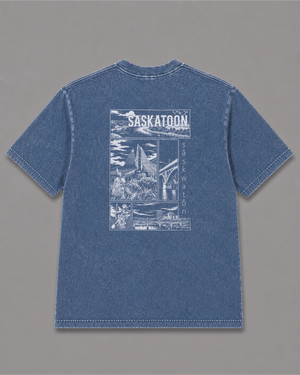
Yes. Orders of $90 or more ship free to Campbell River and everywhere else in Canada. On smaller orders you will see the shipping cost at checkout. We pack every order in Saskatoon, and it leaves our shop within 1 to 3 business days.
Can XUSI print custom shirts for a Campbell River team or community group?
Yes. Custom screen printing starts at 10 garments, with up to 4 colours per design. Every order gets a full quote before anything is printed, and design help is included. We print in Saskatoon and ship the finished order to Campbell River.
Is XUSI part of the Wei Wai Kum or We Wai Kai businesses in Campbell River?
No. XUSI is a separate Indigenous-owned company founded in Saskatoon in 2020 by two brothers, and we have no store or partner in Campbell River. We ship online orders to the island from Saskatoon. Many of our designs carry a Cree word and the story behind it.
What XUSI pieces handle Campbell River's wet winters?
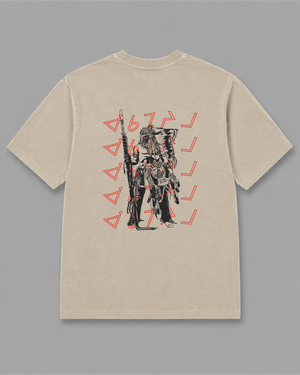
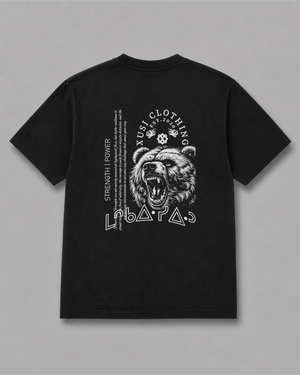
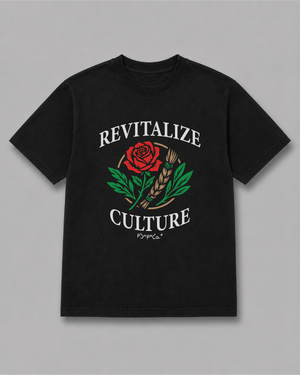
November in Campbell River averages about 231 mm of rain, so layering matters. Pair our heavyweight 100% cotton tee with a hoodie under your rain jacket. Our hoodies run $59.95 to $89.95, and the Revitalize Culture crewneck at $89.95 is another warm layer for grey days.
Last reviewed . Facts on this page come from the sources listed below.
Sources for this page
Indigenous clothing from XUSI
On the shores of Discovery Passage, where Liǧʷiłdax̌ʷ Nations have fished for generations, Campbell River can order XUSI's Indigenous-designed tees, hoodies and hats from our Saskatoon print shop.
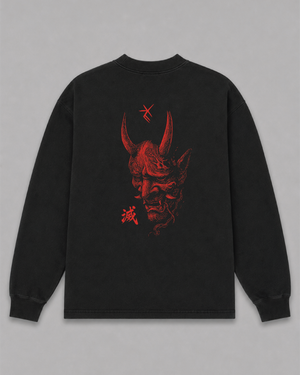
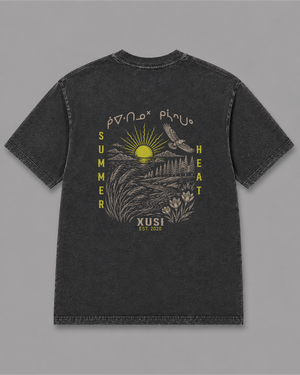
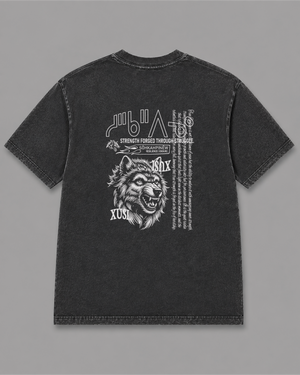
Campbell River's year runs on rain, salt water and trails. Our heavyweight 100% cotton tee is solid under a rain shell on an early morning at Discovery Pier. When November rain settles in, a hoodie keeps you warm on the walk to Elk Falls. The Black Oni long sleeve works for spring rides through Snowden Forest, when mornings stay cool. Our A-frame snapback suits a summer day on the water off Quadra Island. The Revitalize Culture crewneck makes a solid layer for damp winter evenings along the waterfront, when the wind comes off the strait.