
Indigenous Chilliwack: S’ólh Téméxw, Nations and Community
An introduction to Chilliwack: its history, the Nations whose lands it sits on, and Indigenous community life today, with sources.
About Chilliwack
Chilliwack counted 93,203 residents in the 2021 census, with about 113,767 people across its wider census metropolitan area. The city covers roughly 261 square kilometres of the Fraser Valley. The Fraser River runs along its northern edge, while the Vedder and Chilliwack rivers drain the mountains to the south. Farming shapes the landscape, and about two-thirds of city land sits in the Agricultural Land Reserve. The Stó:lō Service Agency, which serves 11 member First Nations, has its headquarters on Vedder Road. Neighbourhoods such as Sardis, Vedder and Promontory spread toward the foothills, and Cultus Lake lies just beyond the southern edge of the city. Fishing, cycling, birding and mountain hiking draw locals outdoors in every season.
Chilliwack history
The Stó:lō have lived in the Fraser Valley for about 10,000 years, according to archaeological records. At first European contact, their territory is estimated to have held 40,000 to 60,000 people. Diseases arriving from 1782 onward reduced that population by 90 to 95 per cent. The gold rush of 1858 changed the valley quickly. By December that year, up to 30,000 miners were moving through the area, most of them passing Chilliwack. By the mid-1860s, small farms had grown up near riverboat landings to feed them. Steamboats became the main link between Chilliwack Landing and New Westminster. The Township of Chilliwhack was incorporated in 1873, making it the third-oldest municipality in British Columbia. The Centreville subdivision followed in 1881, and the commercial centre later shifted to Five Corners. Centreville incorporated as a separate city in 1908. The city and township merged in 1980 and took the name City of Chilliwack in 1999. From 1889 to 1940, the Methodist and later United Church ran Coqualeetza Residential School at Sardis. The National Centre for Truth and Reconciliation lists 35 children who died while attending. The Coqualeetza site is now home to a Stó:lō cultural education centre.
Treaty and territory
Chilliwack sits in S’ólh Téméxw, the traditional territory of the Stó:lō, the People of the River. Their lands reach from Yale in the Fraser Canyon to the mouth of the Fraser River.
Nearby: Cultus Lake · Agassiz · Abbotsford · Hope · Harrison Hot Springs · Sq'ewá:lxw (Skwah) First Nation
Indigenous Chilliwack today
Stó:lō community life is strongly present in Chilliwack today. The Stó:lō Service Agency describes itself as a collective of autonomous First Nations. Its 11 member communities include Áthelets, Màthxwi, Pópkw'em, Sq'ewá:lxw, Semà:th, Leq'á:mel, Sq'ewqéyl, Shxwhá:y, Sxwoyehà:là, Ch'iyáqtel and Yeqwyeqwí:ws. From its Vedder Road offices, the agency runs health, dental, mental health, child care, employment and income assistance programs. It also offers cultural programs and tourism services. The Coqualeetza Cultural Education Centre serves the Stó:lō people and is open to all Indigenous peoples, students and educators. Its programs centre on cultural relevance, self-esteem and traditional ways of teaching. Stó:lō Tourism shares stories and knowledge of the area passed down through oral tradition. The Stó:lō Service Agency has scheduled a public gathering called Bridging Hearts: A Step Towards Unity and Healing for September 30, 2026. It lists speakers, cultural performances and vendors. The agency's website lists the gathering among its upcoming events in Chilliwack.
Life in Chilliwack
Chilliwack is known as farm country, and the Circle Farm Tour guides visitors between local growers. The Fraser River, Vedder River and Cultus Lake anchor summer days of fishing, paddling and swimming. Tourism Chilliwack also promotes cycling, golf, birding and hikes into the surrounding mountains. The Chilliwack Art Trail links public artworks around the city, and the annual Mural Festival adds new walls of colour. The Chilliwack Fair brings the farming community together, and the Chilliwack Cultural Centre hosts performances through the year. Along the Vedder River, the Lhewámel Project is highlighted by the tourism board. Breweries and restaurants round out a downtown that has grown around the old Five Corners crossroads. Mountain views frame almost every farm road in the valley.
Chilliwack seasons and weather
Chilliwack has a mild, wet climate, with around 1,667 millimetres of precipitation a year falling mostly in the cooler months. Winters bring more rain than snow, though the record low is −21.7°C from 1968. Summers can turn hot; the city hit 43.7°C on June 28, 2021. A hoodie over a cotton tee handles most of the year here.
More on the region: Indigenous British Columbia · all of Canada.
Keep learning in the XUSI Journal
- First Nations, Métis and Inuit: What’s the Difference?
- How to Write a Land Acknowledgement That Means Something
- Orange Shirt Day & the National Day for Truth and Reconciliation
- National Indigenous Peoples Day and History Month: A Guide
- All Journal articles
Chilliwack questions
How does shipping to Chilliwack work?
Orders of $90 or more ship free to Chilliwack and anywhere else in Canada. Smaller orders show the shipping cost at checkout. Every order leaves our Saskatoon shop within 1 to 3 business days.
Can you print shirts for a Chilliwack team or community group?
Yes. Custom screen printing starts at 10 garments, with up to 4 colours per design. Every order gets a full quote before anything is printed, and design help is included. We print in Saskatoon and ship the finished order to you.
Does XUSI have a store in Chilliwack?
No. We do not have a shop or stockist in Chilliwack. Our only retail outside our online store is at Wanuskewin near Saskatoon. Fraser Valley customers order online, and we ship each package from Saskatoon. Orders over $90 ship free.
Which XUSI pieces suit Chilliwack's wet winters?
Chilliwack gets about 1,667 millimetres of precipitation a year, mostly in the cooler months. Our heavyweight hoodies, priced from $59.95 to $89.95, layer well over a cotton tee on damp days. The Black Oni long sleeve at $54.95 is a good choice for mild, rainy shoulder seasons.
Last reviewed . Facts on this page come from the sources listed below.
Indigenous clothing from XUSI
From Cultus Lake beaches to farm stands along the Circle Farm Tour, Chilliwack folks can wear Indigenous-designed XUSI tees, hoodies and hats that we print in Saskatoon and ship west to the Fraser Valley.
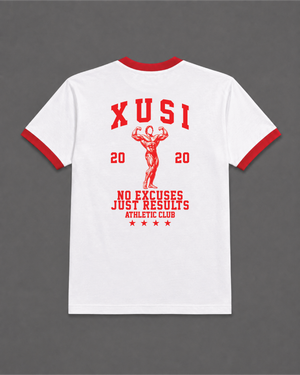
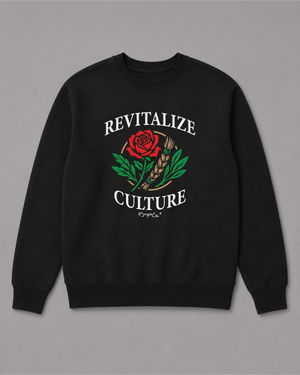
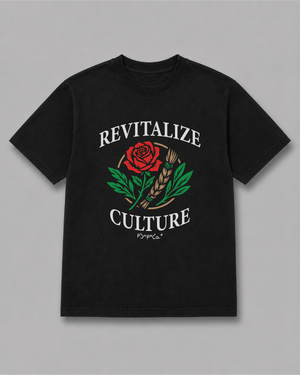
Chilliwack winters bring more rain than snow. A heavyweight hoodie over one of our 100% cotton tees suits grey mornings along the dikes. Our Black Oni long sleeve covers cool spring evenings at Cultus Lake or on the Vedder River trails. Valley afternoons can get very hot, as June 2021 showed. A Golden Era ringer tee or a women's baby rib tee keeps things light. Our A-frame snapback shades your eyes on the Circle Farm Tour or out fishing the Fraser. For damp fall nights at the Chilliwack Fair, the Revitalize Culture crewneck carries a Cree word and story you can share.