
Indigenous Corner Brook: Beothuk and Mi’kmaq Lands, Nations and Community
An introduction to Corner Brook: its history, the Nations whose lands it sits on, and Indigenous community life today, with sources.
About Corner Brook
Corner Brook had 19,316 residents in the 2021 census, and its wider area counted 29,762. It is the service centre for western and northern Newfoundland. The city climbs steep, wooded hills from sea level to about 300 metres above Humber Arm. In the 2021 census, 29.5% of residents identified as Indigenous, mostly First Nations. Qalipu First Nation, a Mi'kmaq band, has its headquarters on Church Street. Corner Brook formed in 1956 when four communities merged: Curling, Corner Brook West, Corner Brook East and Townsite. A pulp and paper mill, now run by Kruger Inc., has anchored the economy for a century. Grenfell Campus of Memorial University and the new Western Memorial Regional Hospital are major institutions. Marble Mountain and the Blow-Me-Down trails make it a winter sports hub.
Corner Brook history
The Beothuk and Mi'kmaq are the Indigenous peoples of this part of Newfoundland. By the 17th century, Heritage NL records Mi'kmaq families hunting, fishing and trapping along the island's southwest coast. They treated Newfoundland and Cape Breton as parts of one traditional territory. Mi'kmaq oral traditions speak of friendly relations with the Beothuk. In 1767, Captain James Cook surveyed the Bay of Islands. A historic site on Crow Hill marks that visit. Fishing, farming and lumbering drew settlers into these steep, wooded hills. By the mid-1800s, Mi'kmaq families across the island trapped furs, hunted caribou and guided surveyors through the interior. The railway was finished in 1898, and overhunting nearly wiped out the caribou herds by 1930. In 1923, the Newfoundland Power and Paper Company began building a mill here with British partner Armstrong, Whitworth and Co. By 1925, a company-planned Townsite and a large newsprint mill stood on Humber Arm. Thomas Adams designed the Townsite on Garden City principles. The mill faced closure in 1984, but Kruger Inc. bought it and kept it running. In 1956, Curling, Corner Brook West, Corner Brook East and Townsite merged into one city. Sir Wilfred Grenfell College opened in 1975 and is now Memorial University's Grenfell Campus.
Treaty and territory
Corner Brook lies in the traditional territories of the Beothuk and Mi’kmaq, as Memorial University’s Grenfell Campus acknowledges. The city is home to the headquarters of Qalipu First Nation, a landless Mi’kmaq band created in 2011.
Nearby: Steady Brook · Pasadena · Deer Lake · Humber Arm South · Lark Harbour · Stephenville
Indigenous Corner Brook today
Qalipu First Nation is headquartered in Corner Brook. Its name means caribou in Mi'kmaq. Qalipu was created in 2011 as a landless band, after decades of advocacy by the Federation of Newfoundland Indians, founded in 1972. Enrolment drew about 105,000 applications, far more than the government expected. Reviews followed, and by 2021 nearly 24,000 members were recognized across 67 communities. The process remains contested, and some groups have challenged it in court. Chief Jenny Brake leads Qalipu for the 2024 to 2028 term, with a council of vice-chiefs and ward councillors. The band offers education funding, employment help, health benefits and housing support. It says it works to reclaim language and Mi'kmaw craft, and it invites status, non-status and non-Indigenous people to connect and get involved. Its weekly newsletter is called Maw-pemita'jik Qalipu'k. At Grenfell Campus, the Indigenous Affairs office supports students, and the student-led GCSU Indigenous Caucus advocates for Indigenous learners. The campus acknowledges the Beothuk, Mi'kmaq, Innu and Inuit of the province. In the 2021 census, nearly three in ten Corner Brook residents identified as Indigenous.
Life in Corner Brook
Corner Brook is an industrial city set among steep, wooded hills. The Corner Brook Pulp and Paper mill, run by Kruger Inc., remains a major regional employer. Winter is the city's big season. Marble Mountain draws downhill skiers, and the Blow-Me-Down trails offer cross-country routes. Hockey has deep roots. The Corner Brook Royals play in the West Coast Senior Hockey League and won the Allan Cup national title in 1986. Their home, the Corner Brook Civic Centre, was a main venue when the city hosted the 1999 Canada Games. The Western Memorial Regional Hospital, the largest in western Newfoundland, opened on June 2, 2024. Grenfell Campus and College of the North Atlantic make the city an education centre for the west coast.
Corner Brook seasons and weather
Corner Brook winters are harsh and snowy, with sea-effect snow bringing nearly 200 cm in December and January combined. January averages about −6 degrees, while July averages close to 18 degrees. A heavy hoodie and toque are essential for most of the year, with a tee for mild summer days on the bay.
More on the region: Indigenous Newfoundland and Labrador · all of Canada.
Keep learning in the XUSI Journal
- First Nations, Métis and Inuit: What’s the Difference?
- How to Write a Land Acknowledgement That Means Something
- Orange Shirt Day & the National Day for Truth and Reconciliation
- National Indigenous Peoples Day and History Month: A Guide
- All Journal articles
Corner Brook questions
Do you ship XUSI clothing to Corner Brook?
Yes. Orders of $90 or more ship free to Corner Brook and anywhere else in Canada. Orders under $90 show the shipping cost at checkout. Every order leaves our Saskatoon shop within 1 to 3 business days.
Can you print custom shirts for a Corner Brook team or community group?
Yes. Custom screen printing starts at 10 garments, with up to 4 colours per design. Every order gets a full quote before anything is printed, and design help is included. We print everything in Saskatoon and ship the finished order to you in Corner Brook.
Is Corner Brook on treaty land?
Corner Brook is in the traditional territories of the Beothuk and Mi'kmaq, and Qalipu First Nation has its headquarters here. Our own shop is on Treaty 6 land in Saskatoon. Many of our designs carry Cree words, and you can read the story behind each one on our meanings page.
What should I wear for skiing at Marble Mountain?
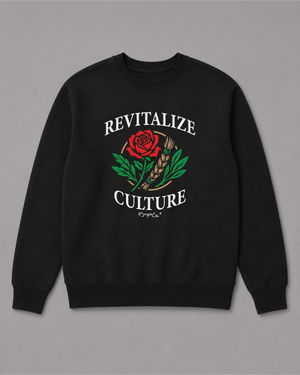
Corner Brook winters bring nearly 200 cm of snow in December and January alone. For the hill, we suggest the Black Oni long sleeve as a base with the Revitalize Culture crewneck on top, under your ski shell. Pull on a heavyweight hoodie for the drive home.
Last reviewed . Facts on this page come from the sources listed below.
Indigenous clothing from XUSI
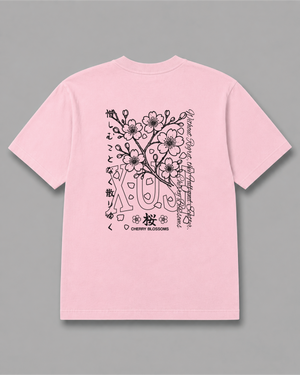
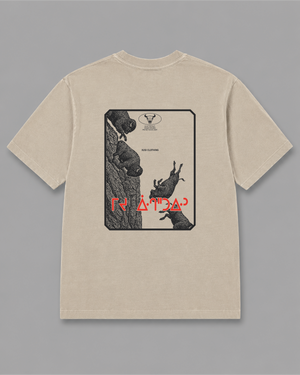
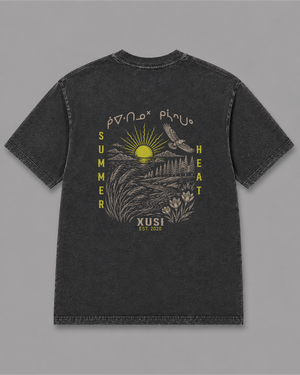
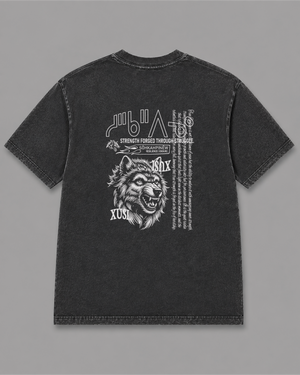
From the paper mill on Humber Arm to the ski runs at Marble Mountain, Corner Brook folks can wear Indigenous-designed tees, hoodies and hats from XUSI, shipped from our Saskatoon print shop.
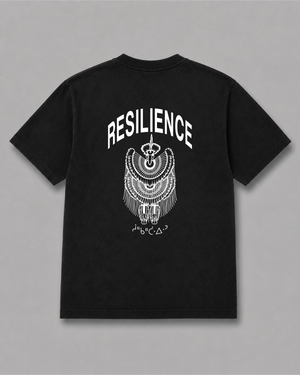
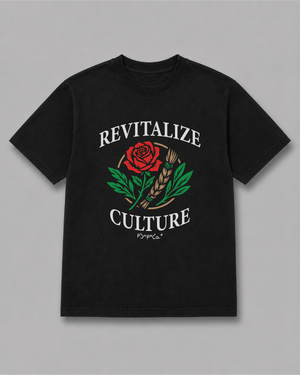
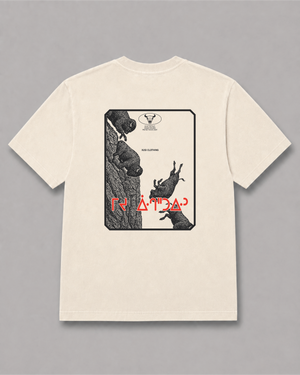
Corner Brook gets heavy sea-effect snow, so we build around warm layers. A heavyweight hoodie over the Black Oni long sleeve suits a cold night at a Royals game in the Civic Centre. For the chairlift at Marble Mountain, our Revitalize Culture crewneck layers well under a ski jacket. On the Blow-Me-Down trails, a lighter tee under a shell keeps you from overheating. When summer finally warms the Bay of Islands, a heavyweight cotton tee and an A-frame snapback work for a day on the water. Grenfell students can wear a Cree-word tee to class and share its story.