
Indigenous Iqaluit: Inuit Nunangat, Nations and Community
An introduction to Iqaluit: its history, the Nations whose lands it sits on, and Indigenous community life today, with sources.
About Iqaluit
Iqaluit is located at the northeast head of Frobisher Bay on southern Baffin Island, in the Qikiqtaaluk region. The name is Inuktitut for many fish, and residents chose it in 1987 to replace the former name, Frobisher Bay. Iqaluit is the capital of Nunavut, which was created in 1999, and the local economy is largely government-based, with construction, retail, tourism and arts and crafts also important. Inuktitut, English and French are all heard in daily life. The main campus of Nunavut Arctic College is here, and the Nunatta Sunakkutaangit Museum shares Inuit art and culture. Each April, Toonik Tyme marks the end of winter with events ranging from igloo building to snowmobile races. Sylvia Grinnell Territorial Park, on the river of the same name, sits at the edge of town, and Qaummaarviit and Katannilik territorial parks are also within reach.
Iqaluit history
For centuries, Inuit lived in small nomadic groups around Frobisher Bay. They relied on caribou, fish, seal, walrus and whales. Qaummaarviit Territorial Historic Park, near the city, holds archaeological artifacts from the Thule culture. Martin Frobisher sailed into the bay between 1576 and 1578, hoping to find a passage to Asia. In 1861, Charles Francis Hall confirmed it was a bay. The Hudson’s Bay Company opened the first of several trading posts in the area in 1914. Change came quickly in 1942, when the United States began building a large airbase at the head of the bay. During the Cold War, the base became the transport and communications centre for radar stations across the eastern Arctic. In the 1950s, the government built Apex, five kilometres east, as a model village for Inuit. In an October 1992 plebiscite, 84.7 per cent of voters approved the Nunavut Land Claims Agreement. Parliament passed the agreement act and the Nunavut Act on June 10, 1993. The deal recognized 318,084 square kilometres of Inuit-owned land with surface rights. Another 37,883 square kilometres came with subsurface rights as well. Ottawa also agreed to pay $1.17 billion over 14 years. After Nunavut’s first election on February 15, 1999, the new assembly chose Paul Okalik as premier. Iqaluit became a city in 2001.
Treaty and territory
Iqaluit is the capital of Nunavut, in Inuit Nunangat, the Inuit homeland. Most residents are Inuit.
Nearby: Apex · Kimmirut · Pangnirtung
Indigenous Iqaluit today
In the 2021 census, Iqaluit had 7,429 residents, and 52.1 per cent identified as Inuit. The Qikiqtani Inuit Association has its main office here. It is the Regional Inuit Association for the Qikiqtani Region and represents 51 per cent of Inuit in Nunavut. Thirteen community directors, each elected by Inuit in their own community, sit on its board. QIA’s social policy work includes youth programs and the Qikiqtani Truth Commission. Nunavut Tunngavik Incorporated makes sure the promises of the Nunavut Agreement are carried out. It also coordinates Inuit responsibilities under the agreement. Arts are central to city life. The Alianait Arts Festival, produced by Iqaluit’s Alianait Entertainment Group, runs from late June into early July. It brings together performing and visual artists from Nunavut and around the world. Its 2025 lineup promised Inuit excellence from across Inuit Nunangat. The Unikkaarvik Visitor Centre celebrates Nunavut’s lands, people and history. It shows Inuit films and rents bicycles to visitors.
Life in Iqaluit
Frobisher Bay has dramatic tides. Travel Nunavut says the water at Iqaluit rises and falls eight to twelve metres. Only the Bay of Fundy has higher tides in Canada. The land around the city invites year-round activity. Winter brings dog sledding, cross-country skiing, snowmobiling, kite skiing and tobogganing. Summer means boating, river rafting, kayaking, hiking and berry picking. Hunting and fishing continue in both seasons. Popular walks include the Road to Nowhere and the seaside trail to Apex. Sylvia Grinnell Territorial Park’s rolling hills are split by a winding river. Katannilik Territorial Park follows the Itijjagiaq Trail and the Soper Valley. In town, the igloo-shaped Anglican cathedral, begun with Queen Elizabeth II’s involvement in 1971, is a well-known landmark. The territory’s Legislative Assembly also meets in Iqaluit.
Iqaluit seasons and weather
Iqaluit winters are long and bitterly cold with strong winds, and summer stays cool with long hours of daylight. Warm layers, a heavy hoodie and a hat are useful in nearly every month.
More on the region: Indigenous Nunavut · all of Canada.
Keep learning in the XUSI Journal
- First Nations, Métis and Inuit: What’s the Difference?
- How to Write a Land Acknowledgement That Means Something
- Orange Shirt Day & the National Day for Truth and Reconciliation
- National Indigenous Peoples Day and History Month: A Guide
- All Journal articles
Iqaluit questions
Do you ship XUSI orders to Iqaluit?
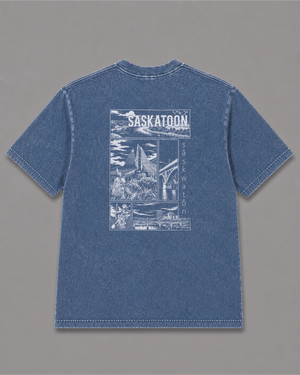
Orders ship from Saskatoon and usually leave within 1–3 business days. The shipping cost to Iqaluit is calculated at checkout, and orders of $90 or more ship free within Canada.
Can I return an item that was shipped to Nunavut?
Returns can be requested within 30 days of your order.
What should I wear for Toonik Tyme or spring activities on the land?
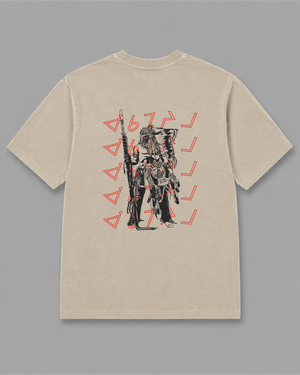
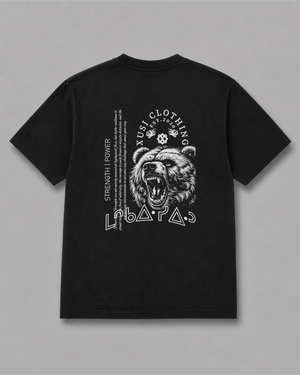
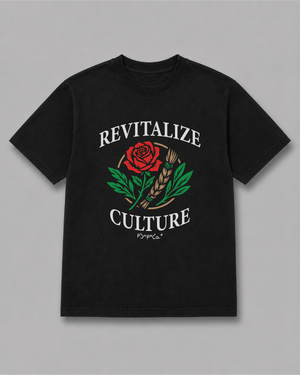
April in Iqaluit is still cold, so we suggest a hoodie from our $59.95 to $89.95 range as a mid layer under a parka. Our heavyweight 100% cotton tee, $49.95, has a generous fit that sits comfortably underneath. For brighter days, the Revitalize Culture crewneck, $89.95, adds warmth.
Can an Iqaluit organization or festival group order custom printed shirts?
Yes. Our custom screen printing works for festivals, teams and community groups, with a 10-garment minimum and up to 4 colours per design. Every order gets a full quote before anything is printed, and design help is included. We print in Saskatoon and ship to Iqaluit, with shipping costs shown at checkout.
Last reviewed . Facts on this page come from the sources listed below.
Indigenous clothing from XUSI
Iqaluit customers can shop XUSI online: a Saskatoon label that is Indigenous-owned, making tees, hoodies and hats and shipping them across the country to Nunavut’s capital on Frobisher Bay.
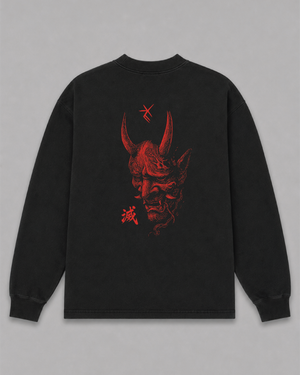
Iqaluit’s year is long on cold and wind, so we think in layers. For a dogsled race at Toonik Tyme in April, one of our heavier hoodies goes under your warmest parka. The Revitalize Culture crewneck is a good pick for kite skiing on the bay when the sun returns. On a cool July hike along the Road to Nowhere, the Black Oni long sleeve handles the breeze. For an Alianait concert on a bright summer evening, pair our heavyweight cotton tee with an A-frame snapback. We ship every order from Saskatoon to Nunavut’s capital.