
Indigenous Kamloops: Secwepemcúl’ecw, Nations and Community
An introduction to Kamloops: its history, the Nations whose lands it sits on, and Indigenous community life today, with sources.
About Kamloops
Kamloops takes its name from the Secwépemc word Tk̓emlúps, meaning where the rivers meet, a reference to the junction of the North and South Thompson rivers. The city sits on the ancestral territory of Tk̓emlúps te Secwépemc, whose language is Secwepemctsín. Every summer the Kamloopa Powwow at the Tk̓emlúps Powwow Arbour draws dancers, drummers and singers from many nations and is described as one of the largest celebrations of Indigenous culture and heritage in Western Canada. The Secwépemc Museum and Heritage Park shares the Nation’s history and offers residential school tours. Thompson Rivers University and Royal Inland Hospital are major employers, along with natural resource industries, and tourism brings in significant spending. The city promotes itself as Canada’s Tournament Capital, hosting more than 100 sporting events a year, and is also known as a mountain biking destination.
Kamloops history
The people of Tk̓emlúps describe themselves as the people of the confluence. They are part of the Interior Salish Secwépemc-speaking peoples. Secwépemc territory stretches from the Columbia River valley along the Rockies, west to the Fraser River and south to the Arrow Lakes. Fur traders reached the junction in 1811, when David Stuart of the Pacific Fur Company spent the winter here. In September 1812, Fort She-whaps became the first non-Indigenous settlement in southern British Columbia. That November, the North West Company built Fort Thompson nearby. The Hudson's Bay Company took over in 1821, after the two companies merged. Gold seekers arrived in the late 1850s, and ranching and farming followed. The Canadian Pacific Railway was completed in 1885, and Kamloops incorporated as a city in 1893 with about 1,000 residents. It amalgamated with North Kamloops in 1967 and merged with surrounding residential areas in 1973. The residential school era left a deep mark here. Pre-booked tours of the former Kamloops Indian Residential School cover the years 1923 to 1977. They explain the institution's true purpose to visitors in Grade 4 and up.
Treaty and territory
Kamloops is on the unceded territory of the Tk’emlúps te Secwépemc, within Secwepemcúl’ecw, the land of the Secwépemc Nation.
Nearby: Tk̓emlúps te Secwépemc · Skeetchestn Indian Band · Chase · Sun Peaks · Logan Lake
Indigenous Kamloops today
Tk̓emlúps te Secwépemc call themselves Guardians of the Land, Stewards of the Spirit. Its Chief and Council oversee housing, education, emergency preparedness, and language and culture programs. Spiyu7ullucw Ranch is part of its culture and stewardship work. Scwén̓wen Economic Development and the Tkemlupsemc Forestry Development Corporation drive its business interests. The Nation also runs Sweláps Market, a grocery store focused on food security and Indigenous products. The Kamloopa Powwow draws more than 20,000 spectators and over 600 dancers, singers and drummers across its summer weekend. The Secwépemc Museum and Heritage Park on Chief Alex Thomas Way reopened in spring 2025. Its displays share Secwépemc teachings, oral histories, woven baskets and regalia. Thompson Rivers University has one of the largest Indigenous student populations in BC, with well over 2,000 students, about 10 percent. Students come from Secwépemc, Carrier, Okanagan, Nuxalk, Nlaka'pamux, Métis and Inuit communities, among others. Cplul'kw'ten, the Gathering Place, is the campus Indigenous centre. The university offers Learning Secwepemctsín and publishes an annual Secwépemc calendar of seasonal teachings. More than 40 TRU Elders have shared a national teaching award through the Knowledge Makers program.
Life in Kamloops
The 2021 census counted 97,902 people in Kamloops, up from 90,280 in 2016. Forestry and mining grew in importance by the 1960s. Today a pulp mill, Royal Inland Hospital, Thompson Rivers University and the BC Lottery Corporation are major employers. The New Afton mine, 10 km west, produces copper and gold. The Highland Valley mine, 50 km southwest, produces copper and molybdenum. The landscape is dry grassland and golden ranchland, with vineyards spreading across the Thompson Valley. Kenna Cartwright Nature Park offers grassland hikes with views over the valley. Riverside Park is a popular destination, and trails lead to places like Deep Lake. More than 200 lakes lie within reach, and the Sun Peaks ski resort draws winter visitors to the region. Indigenous-owned Kekuli Cafe serves bannock downtown. Farther west, the McAbee Fossil Beds near Cache Creek hold deposits more than 50 million years old, with interpretive trails open in summer.
Kamloops seasons and weather
Kamloops has a semi-arid climate with hot summers and one of the mildest winters of any non-coastal Canadian city, so light tees rule July while a hoodie and hat cover cool mornings and winter days.
More on the region: Indigenous British Columbia · all of Canada.
Keep learning in the XUSI Journal
- First Nations, Métis and Inuit: What’s the Difference?
- How to Write a Land Acknowledgement That Means Something
- Orange Shirt Day & the National Day for Truth and Reconciliation
- National Indigenous Peoples Day and History Month: A Guide
- All Journal articles
Kamloops questions
Is local pickup possible in Kamloops?
Pickup is available only in Saskatoon. Kamloops orders are shipped out within 1–3 business days, with the cost calculated at checkout.
Can a Kamloops school or club get custom tees printed?
Yes. The minimum is 10 garments, designs can use up to 4 colours, and every order is quoted before printing. Help with your design is included.
What should I wear to the Kamloopa Powwow?
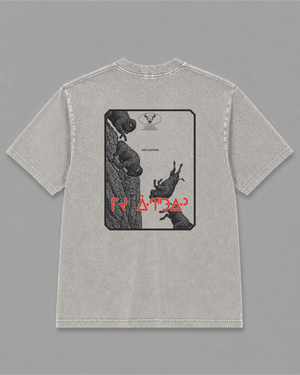
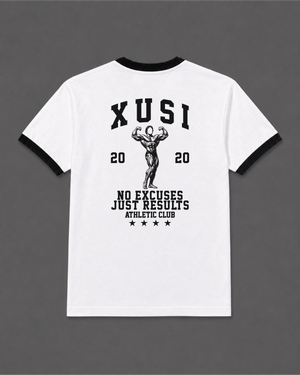
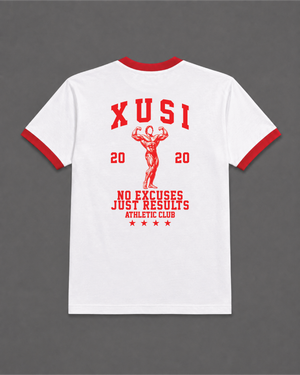
The powwow runs across a summer weekend in the hot, dry Thompson Valley. A heavyweight 100% cotton tee ($49.95) or a Golden Era ringer tee ($39.95) keeps you comfortable in the stands. Our A-frame snapback ($44.95) adds shade during a long afternoon of dancing and drumming.
Can a Kamloops group put Secwepemctsín words on custom shirts?
Custom printing lets a group bring its own words or artwork, with design help included and a 10-garment minimum. Our own designs carry Cree words and stories, shared on our meanings page, so a Secwepemctsín design would come from the group itself. The group supplies and approves every word.
Last reviewed . Facts on this page come from the sources listed below.
Indigenous clothing from XUSI
Kamloops customers can order Indigenous-owned apparel from XUSI, a Saskatoon brand that sends tees, hoodies and hats into the BC Interior, whether you need a single cap or a stack of shirts.
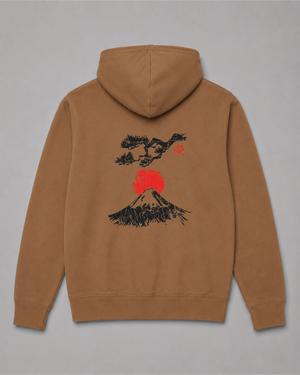
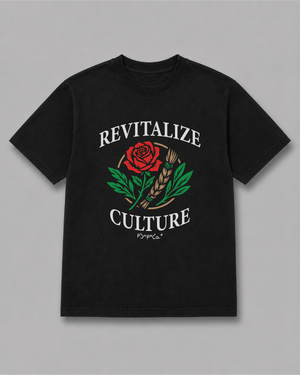
Kamloops summers are hot and dry, and we think our lighter pieces earn their place here. A heavyweight 100% cotton tee handles a grassland hike in Kenna Cartwright Nature Park. Our A-frame snapback keeps the sun off during a long weekend at the Kamloopa Powwow. The Golden Era ringer tee suits an evening at Riverside Park. When fall brings cool mornings to the vineyards and ranchland, the Black Oni long sleeve is an easy layer. A hoodie comes along for a winter day at Sun Peaks, worn under a shell. Students heading to TRU might like the Revitalize Culture crewneck for autumn walks across campus. A digital gift card makes sense for friends heading out on Kamloops mountain bike trails, since they can pick their own layer.