
Indigenous Kingston: Katarokwi, Nations and Community
An introduction to Kingston: its history, the Nations whose lands it sits on, and Indigenous community life today, with sources.
About Kingston
Set where Lake Ontario drains into the St. Lawrence River, Kingston served as capital of the Province of Canada from 1841 to 1843. Its nickname, the Limestone City, dates to rebuilding in stone and brick after an 1840 fire. The Rideau Canal, completed in 1832 and now a UNESCO World Heritage Site, reaches the lake here beneath Fort Henry. Queen’s University, founded in 1841, and the Royal Military College shape much of city life, along with the military establishment at Barriefield. Indigenous presence reaches back thousands of years; archaeological evidence points to settlement between 1000 BCE and 500 CE, the Haudenosaunee held the region by 1649, and Mississauga Anishinaabe people later took their place. The Katarokwi Native Friendship Centre on Hickson Avenue supports Indigenous residents with family, justice and cultural programs. Tyendinaga Mohawk Territory lies to the west on the Bay of Quinte.
Kingston history
Tourism Kingston describes the city as the ancestral homeland of the Huron-Wendat, Anishinaabe and Haudenosaunee Confederacy. In 1673 Louis de Buade, Comte de Frontenac, set up a fortified post at Cataraqui. René-Robert Cavelier de La Salle later built it up as Fort Frontenac. British forces took it in 1758, and the Treaty of Paris confirmed British control in 1763. After the American Revolution, the Crown needed land for Loyalists and their Indigenous allies. Through the Crawford Purchase of October 1783, led by Captain William Crawford, the Crown acquired land from the Mississauga. The purchase covered the north shore of eastern Lake Ontario and the upper St. Lawrence. The Canadian Encyclopedia dates the whole process to 1783 and 1784. The new settlement was named King's Town, for King George III. The War of 1812 brought a large army and naval presence, which lifted both the economy and the population. The penitentiary opened in 1835, the first of several correctional institutions. Kingston became a town in 1838. John A. Macdonald championed its incorporation as a city in 1846.
Treaty and territory
Kingston, Katarokwi, is on the traditional territory of the Anishinaabe and Haudenosaunee peoples.
Nearby: Tyendinaga Mohawk Territory · Gananoque · Napanee · Amherstview · Wolfe Island
Indigenous Kingston today
Queen's University's Office of Indigenous Initiatives, in Richardson Hall, works to build community and advance reconciliation. It weaves Indigenous ways of knowing into university life through elder engagement, research partnerships and events. Queen's acknowledges that it stands on Haudenosaunee and Anishinaabek territory. Four Directions Indigenous Student Centre opened in 1996 and moved to Barrie Street in 2000. It calls itself a home away from home for First Nations, Inuit and Métis students. The centre hosts drumming, beading and feasts, alongside academic workshops, peer mentoring and wellbeing programs. It is also the main recognizably Indigenous space on campus, offering classroom presentations and community outreach. West on the Bay of Quinte, the Mohawks of the Bay of Quinte describe a vision of a healthy, sustainable Kanyen'kehá:ka community. That vision rests on their language, culture, traditions, knowledge and history. The community keeps Kanyen'kéha central and publishes content in the language. Chief and six councillors lead a council that runs health, social, education and childcare services.
Life in Kingston
Kingston had 132,485 people in 2021. Queen's University and the public institutions around it drive much of the local economy and culture. The city's military roots run deep. The War of 1812 made Kingston a key army and naval centre, and that heritage still defines its character. Water is central to life here. In 1976 Kingston hosted the sailing events of the Summer Olympics. Tourism Kingston promotes cruises and guided tours along the shore. Fort Henry, a National Historic Site run by the St. Lawrence Parks Commission, is the city's signature attraction. Visitors take guided tours in English or French and watch live rifle-firing demonstrations. Summer evenings have featured Sunset Ceremonies, and the fort has hosted Fort Fright, a haunted experience, through October. Visitors can buy a K-Pass to bundle attractions, and the visitor centre sits on Ontario Street. Tourism Kingston also highlights a lively food scene, historic inns and museums that run programming all year.
Kingston seasons and weather
Winds off Lake Ontario can make Kingston winters feel colder than the thermometer suggests, and snow is common from December to March. Summers are warm by the water, with cool evenings suited to a light hoodie.
More on the region: Indigenous Ontario · all of Canada.
Keep learning in the XUSI Journal
- First Nations, Métis and Inuit: What’s the Difference?
- How to Write a Land Acknowledgement That Means Something
- Orange Shirt Day & the National Day for Truth and Reconciliation
- National Indigenous Peoples Day and History Month: A Guide
- All Journal articles
Kingston questions
Can Queen’s students have XUSI shipped to a Kingston address?
Yes, any Kingston address works. Orders leave Saskatoon within 1–3 business days, and shipping cost is calculated at checkout, with free shipping on orders of $90 or more.
Is there a store in Kingston where I can try items on?
Local pickup is available only in Saskatoon. Kingston orders are shipped, and returns can be requested within 30 days if something does not work out.
Could Four Directions or a Queen's Indigenous student group order custom shirts?
Yes. Custom screen printing starts at 10 garments, with up to 4 colours per design, and every order is quoted before printing. Design help is included, so we can lay out your logo or wording, including Kanyen'kéha or Anishinaabemowin you supply. We print in Saskatoon and ship to Kingston.
Is a Cree-language design a good fit for Kingston?
Many of our designs carry a Cree word and story, shared on our meanings page, because we are based in Saskatoon on Treaty 6 territory. Kingston is Haudenosaunee and Anishinaabe land. If you want local languages, a custom order with wording from your community is the respectful choice.
Last reviewed . Facts on this page come from the sources listed below.
Sources for this page
- Kingston / The Canadian Encyclopedia
- Map of Ontario treaties and reserves / Government of Ontario
- Office of Indigenous Initiatives / Queen's University
- Four Directions Indigenous Student Centre / Queen's University
- Mohawks of the Bay of Quinte
- Visit Kingston / Tourism Kingston
- Fort Henry National Historic Site
Indigenous clothing from XUSI
Kingston, the limestone city where Lake Ontario meets the St. Lawrence, is one of the places XUSI delivers. Its tees, hoodies and hats come from an Indigenous-owned business in Saskatoon.
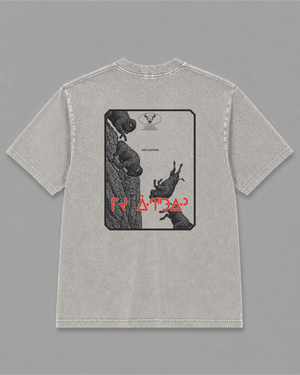
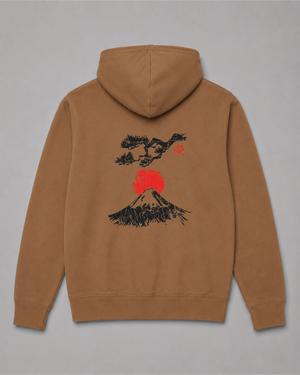
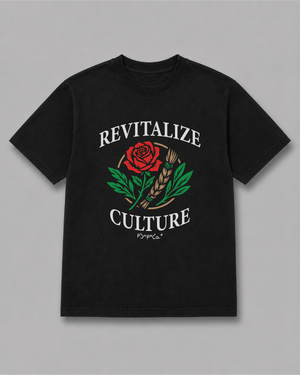
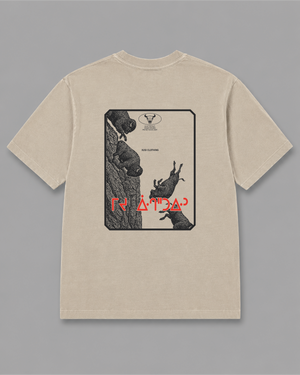
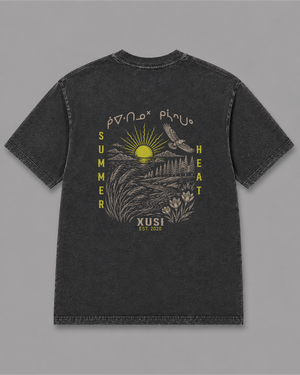
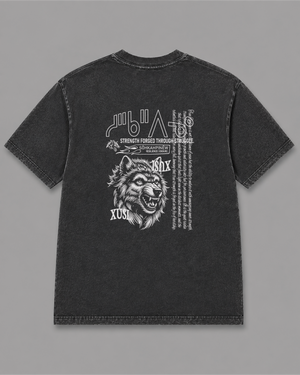
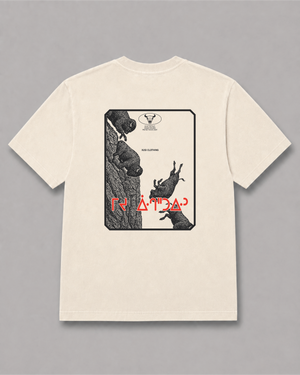
Kingston life happens at the water's edge, so the lake sets the dress code. We would pick a heavyweight 100% cotton tee for a summer harbour cruise or a day watching sailboats. For an October night at Fort Fright, the Black Oni long sleeve adds a light layer. When the wind comes off Lake Ontario in January, a heavy hoodie belongs under your coat. Queen's students might choose the Revitalize Culture crewneck, which carries a Cree word and its story, for study nights. An A-frame snapback helps on bright days at the waterfront. The Golden Era ringer tee suits a summer patio downtown.