
Indigenous Miramichi: Mi’kma’ki, Nations and Community
An introduction to Miramichi: its history, the Nations whose lands it sits on, and Indigenous community life today, with sources.
About Miramichi
Miramichi had 17,692 residents in the 2021 census, making it the largest city in northern New Brunswick. It was created in 1995 by merging the towns of Chatham and Newcastle with several villages and local service districts. The merger was controversial, since the two towns had a long rivalry. The city lies at the mouth of the Miramichi River, famous for Atlantic salmon. It calls itself Canada's Irish Capital, a nod to the many Irish settlers who arrived after 1815. Forestry, fishing and mining drive the local economy. Two Mi'kmaq communities, Natoaganeg and Metepenagiag, sit upriver close to the city. Kouchibouguac National Park and the Acadian Historical Village are within reach for day trips.
Miramichi history
The Mi'kmaq have lived along the Miramichi for thousands of years. Metepenagiag, upriver at the head of tide, is the oldest continuously settled community in New Brunswick. Evidence there shows more than 3,000 years of Mi'kmaq life. Salmon, sturgeon, gaspereau and eel ran past the village each year. In 1972, Joseph Mike Augustine remembered a burial mound near his home. The Augustine Mound became a national historic site in 1975, and the Oxbow site followed in 1982. Finds there include copper from Lake Superior, pointing to trade reaching the Ohio River valley. Around 1648, Nicolas Denys set up a French post called Fort Fronsac. His son Richard later counted about 500 Indigenous residents alongside the French. In 1761, Miramichi Mi'kmaq signed a Peace and Friendship Treaty with Britain. Such treaties had no land transfer provisions. Scottish settler William Davidson promoted the region from 1765, and Irish immigrants arrived in numbers after 1815. In 1825, the Miramichi Fire burned about a quarter of the province's forests. It ranks among the worst fires in North American history. Irish famine migrants were later quarantined on Middle Island, where many are buried.
Treaty and territory
Miramichi is in Mi’kma’ki, the unceded homeland of the Mi’kmaq, covered by the Peace and Friendship Treaties. Miramichi Mi’kmaq signed a treaty with the British in 1761, and those treaties did not transfer land.
Nearby: Natoaganeg First Nation (Eel Ground) · Metepenagiag Mi'kmaq Nation (Red Bank) · Esgenoôpetitj First Nation (Burnt Church) · Neguac · Kouchibouguac National Park · Rexton
Indigenous Miramichi today
Three Mi'kmaq First Nations sit along the river and bay. Natoaganeg, also called Eel Ground, lies next to the city where the Northwest and Southwest branches meet. The British recognized it in 1783, and it had 977 residents in 2012. Its Chief and eleven councillors lead the community. Metepenagiag, or Red Bank, runs the Metepenagiag Heritage Park. The park shares the story of its two national historic sites with visitors and residents. More than 100 other archaeological sites have been found in the community since 1975. Esgenoôpetitj, or Burnt Church, lies on Miramichi Bay. Its reserve was set out in 1805, when it was the largest Mi'kmaq settlement in New Brunswick. Members have fought hard for their lobster fishing rights. That struggle followed the 1999 Marshall decision, which found that treaty fishing and hunting rights had never been extinguished. The Peace and Friendship Treaties remain the foundation of Mi'kmaq rights here. Because the treaties did not cede land, Indigenous nations have filed Aboriginal title claims that together cover all of New Brunswick.
Life in Miramichi
The Miramichi River is the city's calling card. It is one of the most famous Atlantic salmon rivers in Canada. Irish roots run deep. Canada's Irish Festival and the Miramichi Folksong Festival celebrate that heritage. Writer David Adams Richards set much of his fiction in the region. History sits all around the river. Beaubears Island, in the river, was long a natural meeting point for the Mi'kmaq. The Enclosure, now a provincial park, marks a 1756 camp for Acadian refugees. Middle Island holds the graves of Irish famine immigrants. Forestry, fishing and mining provide much of the work. The city is the fourth largest in New Brunswick, and it takes in the former towns of Chatham and Newcastle. Kouchibouguac National Park and the Acadian Historical Village are both close enough for a day out.
Miramichi seasons and weather
Miramichi winters are cold and snowy. January averages about -10°C, and the city gets roughly 291 cm of snow a year. July averages near 20°C, which suits long days on the river. Expect to lean on a heavy hoodie from late fall into spring, with a tee for summer.
More on the region: Indigenous New Brunswick · all of Canada.
Keep learning in the XUSI Journal
- First Nations, Métis and Inuit: What’s the Difference?
- How to Write a Land Acknowledgement That Means Something
- Orange Shirt Day & the National Day for Truth and Reconciliation
- National Indigenous Peoples Day and History Month: A Guide
- All Journal articles
Miramichi questions
Do you ship to Miramichi and the rest of New Brunswick?
Yes. Orders of $90 or more ship free to Miramichi and anywhere in Canada. Smaller orders show the shipping cost at checkout. Every order is packed in Saskatoon and leaves our shop within 1 to 3 business days.
Can XUSI print shirts for a Miramichi team, school or community group?
Yes. Custom screen printing starts at 10 garments, with up to 4 colours per design. Every order gets a full quote before anything is printed, and design help is included. We print in Saskatoon and ship the finished order to Miramichi.
Is XUSI connected to the Mi'kmaq communities around Miramichi?
No. XUSI is an Indigenous-owned company founded in Saskatoon in 2020 by two brothers, on Treaty 6 territory. We have no partnership, stockist or event with Natoaganeg, Metepenagiag or Esgenoôpetitj. Many of our designs carry a Cree word, and we share each story on our meanings page.
Which XUSI pieces handle a snowy Miramichi winter?
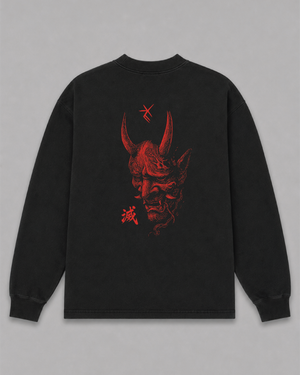
With roughly 291 cm of snow a year, layering matters in Miramichi. Wear our heavyweight 100% cotton tee under a hoodie, priced from $59.95 to $89.95. The Black Oni long sleeve at $54.95 works as a warm base layer under a winter coat on cold river mornings.
Last reviewed . Facts on this page come from the sources listed below.
Indigenous clothing from XUSI
At the mouth of one of Canada's most famous salmon rivers, in Mi'kmaq country, Miramichi can order XUSI's Indigenous-designed tees, hoodies and hats online and have them shipped from our Saskatoon print shop.
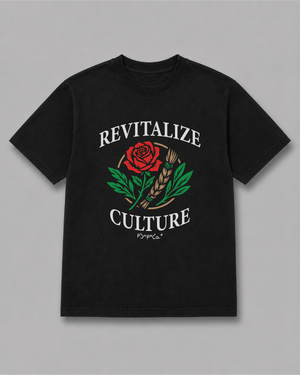
Miramichi winters bring close to three metres of snow, so our hoodies are made for shovelling out and walking the riverfront. The Revitalize Culture crewneck layers well under a parka on a cold January day. In summer, our heavyweight 100% cotton tee suits a long day on the salmon river. The Golden Era ringer tee is a laid-back pick for festival season in town. Our A-frame snapback keeps the sun off on the water. When fall mornings turn crisp, the Black Oni long sleeve covers a walk around Beaubears Island.