
Indigenous North Bay: Robinson-Huron Treaty, Nations and Community
An introduction to North Bay: its history, the Nations whose lands it sits on, and Indigenous community life today, with sources.
About North Bay
North Bay had 52,662 residents in the 2021 census, and 71,736 in the wider census area. About 11.7% of residents identified as Indigenous, well above the national share. The city calls itself the Gateway to the North and serves as the seat of the District of Nipissing. It grew as a rail junction after the Canadian Pacific Railway arrived in 1882. North Bay became a town in 1891 and a city in 1925. Nipissing University and Canadore College draw students from across the north. The local economy includes wood products, information technology, manufacturing, tourism and a military base. The city has also long hosted wild-fur auctions, among the largest in the world.
North Bay history
The shores of Lake Nipissing have been a gathering place for thousands of years. Tourism North Bay estimates about 10,000 Ojibwe people lived in the territory before European contact. Canoe routes linked this corridor with communities as far as the Maritimes. Birch bark canoes from this tradition can still be seen at the Mattawa Museum and Samuel de Champlain Provincial Park. The lake later became part of the Nipissing Route of the fur trade. In the 1700s, conflict over the fur trade pushed the Nipissing from their lands for a time. They returned and allied with the British, fighting American forces in 1814. In 1850, the Robinson-Huron Treaty was signed, setting out reserve lands for the Nipissing. Chief Shabogesic was among the early treaty signatories. The Canadian Pacific Railway arrived in 1882, and John Ferguson saw the site's promise. Rail links to Toronto followed in 1886 and to the northern resource country in 1904. The Dionne Quintuplets, born in nearby Corbeil in 1934, drew huge numbers of tourists. Canadian Forces Base North Bay opened in 1951 and housed a NORAD operations centre deep underground.
Treaty and territory
North Bay is on the ancestral lands of the Nipissing First Nation (Nbisiing), an Anishinabek community, within the lands of the Robinson-Huron Treaty of 1850.
Nearby: Nipissing First Nation · Dokis First Nation · Callander · Mattawa · Sturgeon Falls · Corbeil
Indigenous North Bay today
Nipissing First Nation is an Anishinabek community based in Garden Village, with other communities including Duchesnay. It governs itself under its own constitution, the Gichi-Naaknigewin, through Chief and Council. The Nation runs education from early childhood to post-secondary, plus health, social and land management services. An Anishinaabemwin language program supports culture and heritage. Tourism North Bay reports that the city's Indigenous population now exceeds 8,000, close to pre-contact numbers. The North Bay Indigenous Friendship Centre opened on November 23, 1974, at Third and Cassells streets. It offers language and culture programs, youth education and employment training. Its Indigenous Alternative Secondary School Education program helps students finish high school. Suswin Village provides 30 units of transitional housing. Each June the centre hosts the Maamwi Kindaaswin Pow Wow at Lee Park, near Lake Nipissing. It began as a children's event and now draws over 5,000 people, and everyone is welcome to watch and join intertribal dances. The centre also marks Red Dress Day, Indigenous Peoples Day on June 21 and Orange Shirt Day.
Life in North Bay
Lake Nipissing is the heart of North Bay. Shabogesic Beach, named for the Nipissing chief, sits on the waterfront. The cruise boat Chief Commanda II carries the name of a Dokis First Nation leader. Along the Kinsmen Trail, the Miskwaadesi site offers a place to pause and reflect. The Dionne Quintuplets' home was moved to North Bay in 2017 and now serves as a museum. The sport of ringette was invented here in 1963. The WKP Kennedy Gallery shows Indigenous art along with other exhibitions. Outdoor life fills every season. Visitors hike, kayak and golf in summer, then turn to snow sports in winter. The city's place at a crossroads of highways and rail lines still shapes its role as a service centre for the region.
North Bay seasons and weather
North Bay has real northern winters. January averages about -12°C, and the city gets roughly 312 cm of snow a year. July averages around 19°C, with warm days on the lake. Precipitation tops 1,000 mm a year, so a hoodie and a warm hat stay close from fall to spring.
More on the region: Indigenous Ontario · all of Canada.
Keep learning in the XUSI Journal
- First Nations, Métis and Inuit: What’s the Difference?
- How to Write a Land Acknowledgement That Means Something
- Orange Shirt Day & the National Day for Truth and Reconciliation
- National Indigenous Peoples Day and History Month: A Guide
- All Journal articles
North Bay questions
Do you ship to North Bay, and what does it cost?
Yes. Orders of $90 or more ship free to North Bay and anywhere else in Canada. Smaller orders show the shipping cost at checkout. Every order is packed in Saskatoon and leaves our shop within 1 to 3 business days.
Can XUSI print custom shirts for a North Bay team or organization?
Yes. Custom screen printing starts at 10 garments, with up to 4 colours in a design. Every order gets a full quote before anything is printed, and design help is included. We print in Saskatoon and ship the order to North Bay.
Will XUSI be selling at the Maamwi Kindaaswin Pow Wow in North Bay?
No. We have no events, booths or stockists in North Bay. XUSI sells online and ships from Saskatoon. Our only retail presence is in the Saskatoon area, at Wanuskewin. Orders of $90 or more ship free across Canada.
What XUSI layers suit a North Bay winter?
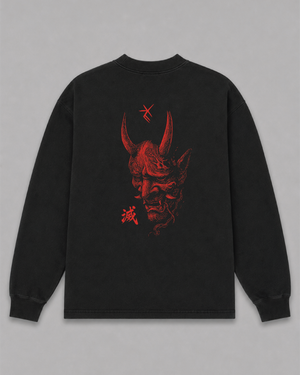
North Bay averages around 312 cm of snow a year, with January near -12°C. Pair our heavyweight 100% cotton tee with a hoodie, priced from $59.95 to $89.95. The Black Oni long sleeve at $54.95 makes a solid base layer under a winter coat.
Last reviewed . Facts on this page come from the sources listed below.
Indigenous clothing from XUSI
On the shore of Lake Nipissing, long a gathering place for the Nbisiing people, North Bay can order XUSI's Indigenous-designed tees, hoodies and hats online from our print shop in Saskatoon.
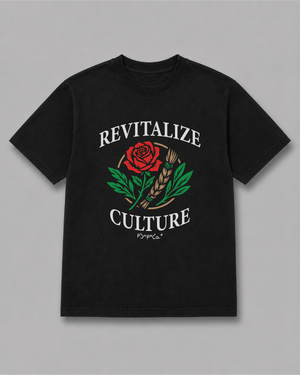
North Bay's long snow season calls for warm layers. One of our hoodies over the heavyweight 100% cotton tee handles a cold walk on the Kinsmen Trail in January. The Revitalize Culture crewneck works well for ringette games in chilly rinks. In June, our Golden Era ringer tee is a good pick for a day on the Lee Park grounds. The women's baby rib tee and an A-frame snapback suit summer afternoons at Shabogesic Beach. When fall comes, the Black Oni long sleeve suits a cool morning paddle on Lake Nipissing before the ice comes in.