
Indigenous Ottawa: Unceded Algonquin Territory, Nations and Community
An introduction to Ottawa: its history, the Nations whose lands it sits on, and Indigenous community life today, with sources.
About Ottawa
Canada’s capital sits on the south bank of the Ottawa River where the Rideau River flows into it, on unceded Algonquin Anishinaabe territory. Founded as Bytown in 1826 and renamed in 1855, it grew from a lumber town into the seat of Parliament, the Supreme Court and Rideau Hall. The federal government is still the largest employer, alongside technology, health care and tourism. Carleton University, the University of Ottawa and Algonquin College draw students from across the country. The Odawa Native Friendship Centre, which marked 50 years in 2025, hosts a traditional powwow each year that welcomes dancers, drummers and visitors. Every June the Summer Solstice Indigenous Festival brings music, dance, food and artisans together around National Indigenous Peoples Day. Negotiations over the Algonquin land claim covering the Ottawa valley began in 1991, and an agreement in principle was reached in 2016.
Ottawa history
The earliest evidence of people in the region dates to about 6,500 BCE. Algonquins have lived along the river they call Kichisippi for thousands of years. The city's name honours the Odawa, although it was built on Algonquin land. In 1772, Algonquins sent their first petition to the Crown seeking recognition of their territory. A New Englander, Philemon Wright, founded the first permanent settlement in 1800. It was a farming community on the north shore, at the site of Hull. Lieutenant-Colonel John By set up a campsite in 1826 as the base for building the Rideau Canal. A sizable town had grown around it by the following year. On the last day of 1857, it was announced that Queen Victoria had chosen Ottawa as the permanent capital. Work on the Parliament Buildings began in 1859, and they officially opened in 1866. A year later, Ottawa became the capital of the new Dominion of Canada. Lumber drove the early economy, but government had taken over by 1940. On January 1, 2001, the city merged with 11 surrounding municipalities and the regional government, creating today's much larger Ottawa.
Treaty and territory
Ottawa is on the unceded traditional territory of the Algonquin Anishinaabe Nation.
Nearby: Gatineau · Kitigan Zibi Anishinabeg · Algonquins of Pikwàkanagàn First Nation · Akwesasne · Kanata
Indigenous Ottawa today
The Algonquins of Ontario bring together ten communities, including an Ottawa community and Pikwakanagan First Nation, to pursue a unified settlement. Their claim covers about 9 million acres of unceded land in the Kichisippi and Mattawa watersheds. More than 1.2 million people live across the 84 municipalities in that area, including Ottawa. The Wabano Centre for Aboriginal Health is on Montreal Road. It calls itself an Indigenous centre for excellence in health care, created by Indigenous people for Indigenous people. Its model draws on the Medicine Wheel and on Ojibwe ideas of health as living the good life. It runs a primary care clinic and an eye clinic. It also offers mental wellness, maternal health and diabetes support, plus programs from infancy to old age. Inuit services are based in the city too. Tungasuvvingat Inuit, on Dupuis Street, is an Inuit-specific urban service provider for all ages. It notes that 40% of Inuit now live outside Inuit Nunangat. Its programs cover employment and education, food security, housing, family well-being, and child welfare. Its Pisiksik Justice Department prepares Gladue reports and supports restorative justice. It also runs food banks for students, families and Elders.
Life in Ottawa
The 2021 census counted 1,017,449 people in Ottawa. Public administration, health care and professional services are now the largest employment sectors. The Rideau Canal is the city's signature landscape. It runs 202 km from Ottawa to Kingston through 22 lockstations. It is North America's best-preserved slackwater canal. It is also the only one from the great 19th-century canal-building era still operating on its original route with most original structures intact. The canal is a UNESCO World Heritage Site, and boats travel it from Victoria Day to Thanksgiving. In summer, people paddle, cycle and walk its banks or picnic beside hand-operated locks. Lockstations along the route offer camping and overnight mooring. In winter, the National Capital Commission maintains a 7.8 km stretch through the city as the world's longest skating rink. Farther along the route, visitors find Victorian towns and old military blockhouses.
Ottawa seasons and weather
Ottawa swings between hot, humid summers and long, cold winters with deep snow typical from December through March. Plan on a heavy parka over a hoodie in winter and lighter layers for the rest of the year.
More on the region: Indigenous Ontario · all of Canada.
Keep learning in the XUSI Journal
- First Nations, Métis and Inuit: What’s the Difference?
- How to Write a Land Acknowledgement That Means Something
- Orange Shirt Day & the National Day for Truth and Reconciliation
- National Indigenous Peoples Day and History Month: A Guide
- All Journal articles
Ottawa questions
Does shipping to Ottawa cost extra?
Shipping cost is calculated at checkout based on your order. Orders of $90 or more ship free anywhere in Canada, Ottawa included.
If a hoodie does not fit, can I send it back from Ottawa?
Yes. Returns can be requested within 30 days.
What should I wear to skate the Rideau Canal Skateway?
Ottawa winters are cold on the open ice, so layering matters. A heavyweight hoodie ($59.95–$89.95) makes a good mid-layer under a winter jacket for the 7.8 km skateway. Our generous-fit heavyweight tees ($49.95) work as a base layer that leaves room for more.
Is there something for an Inuk friend living in Ottawa?
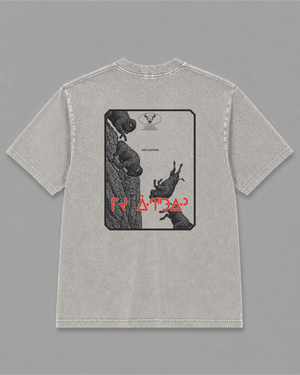
Many of our designs carry Cree words and stories, explained on our meanings page, so they reflect our own background rather than Inuit culture. A digital gift card lets your friend choose any piece they like. It is a simple way to support an Indigenous-owned business without guessing at meaning.
Last reviewed . Facts on this page come from the sources listed below.
Indigenous clothing from XUSI
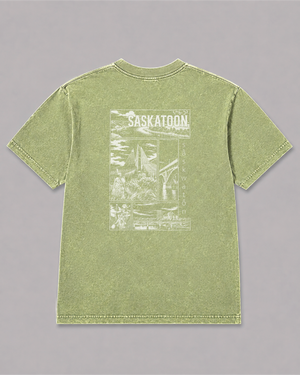
From the Glebe to Orléans, people in Ottawa can have XUSI’s tees, hoodies and hats delivered; the label is Indigenous-owned and ships every order from its home base in Saskatoon, Saskatchewan.
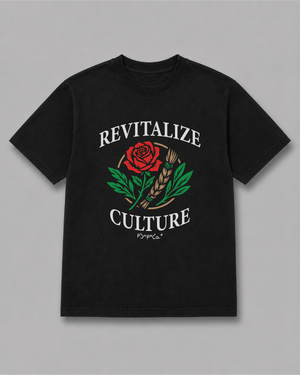
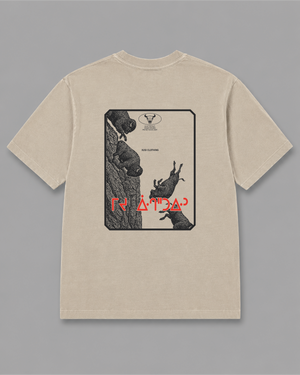
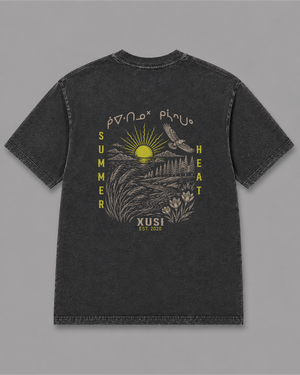
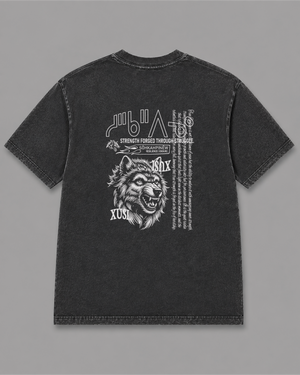
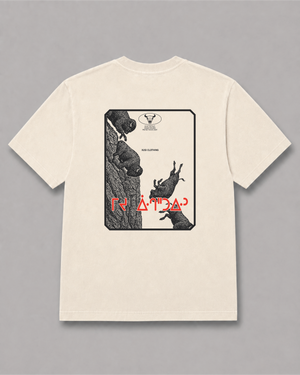
Ottawa's year runs from canal skating to humid summer paddling, and we think our pieces can handle both ends. A heavyweight hoodie under a parka suits a cold morning skate on the Rideau Canal. Our A-frame snapback works for a summer cycle along the canal path. A heavyweight 100% cotton tee handles a humid July afternoon by the locks. The Black Oni long sleeve is right for a cool May morning on Parliament Hill. At the Odawa Native Friendship Centre's yearly powwow, a Golden Era ringer tee is a comfortable pick for a warm day. Students at Carleton or the University of Ottawa might like the Revitalize Culture crewneck through a long winter term. For family spread across eastern Ontario, a digital gift card saves guessing sizes.