
Indigenous Terrace: Ts’msyen Lands, Nations and Community
An introduction to Terrace: its history, the Nations whose lands it sits on, and Indigenous community life today, with sources.
About Terrace
Terrace recorded 12,017 residents in the 2021 census, on a land area of about 57 square kilometres. The city grew on stepped benches above the Skeena River, near the mouth of the Kitsumkalum River. That landform is reflected in the Tsimshian name for Terrace, ganeexs, which sources translate as ladder or steps. Coast Mountain forest surrounds the city, and the Skeena system carries all five species of Pacific salmon. The Kitselas First Nation, about 700 people, holds reserves along the river near town. Kitsumkalum, an original tribe of the Ts'msyen, also has its community here. Highway 16 links Terrace west to Prince Rupert and east to Smithers. Kitselas Canyon sits about 10 minutes east of town along that highway.
Terrace history
The Kitselas and Kitsumkalum peoples have lived in this part of the Skeena valley for thousands of years. Wikipedia's account of the city puts their presence at about 6,000 years before European contact. Kitselas Canyon, just east of town, was a place of governance and trade. The Kitselas describe it as the only First Nations village on the Skeena where house remains and poles from the 1800s still stand. Canada designated Kitselas Canyon a National Historic Site in 1972. George Little arrived in 1905 and became the first permanent European settler. He donated land for the railway and earned the right to name the station. Terrace was incorporated as a village in December 1927. Forestry drove the early economy. In the 1920s, Terrace was known as the pole capital of the world. Little Canyon, beneath the Old Skeena Bridge, is a traditional Ts'msyen fishing place. It later held the early 1900s homestead of Tom and Eliza Thornhill. Terrace became a district municipality in January 1987. The city's Riverboat Days festival began in 1970.
Treaty and territory
Terrace sits on ancestral Ts’msyen lands, home to the Kitselas and Kitsumkalum peoples. Kitsumkalum calls its territory Laxyuup and is engaged in treaty negotiations.
Nearby: Kitselas · Kitsumkalum · Thornhill · Lakelse Lake · Kitimat · Prince Rupert
Indigenous Terrace today
Ts'msyen culture is visible across Terrace today. The Kitselas call themselves the Gitselasu, People of the Canyon, and aim to be financially self-sufficient and self-governing. The Kitselas Development Corporation manages business ventures, and the nation runs education, health, housing and lands departments. Kitsumkalum operates under its own Land Code and runs a gas bar, gift store, quarry logistics park and wilderness resort. It also delivers language and fish and wildlife programs. Kitselas Canyon welcomes visitors on guided and self-guided tours through its longhouses and Clan Totem Pole Garden. The Freda Diesing School of Northwest Coast Art, named for the renowned carver, is described as Canada's first Indigenous fine arts school. Diesing led the carving of two Kitsumkalum poles in the 1980s, the first poles of the modern era there. The Kermode Friendship Centre is home to the Survivors' Pole, raised in 2021. Local galleries such as Red Raven feature Indigenous artists. Smalgyax, the Ts'msyen language, has learning resources on FirstVoices.
Life in Terrace
Terrace is best known for the Kermode bear, a rare white bear that keeps to deep forest and mountain terrain. Anglers come for steelhead, trout and Pacific salmon on the Skeena system. In winter, Shames Mountain draws skiers for deep powder and backcountry terrain. Lakelse Lake Provincial Park offers a sandy beach reached through forest, plus water sports and nature programs. Warm springs in the Lakelse wetlands drain into the lake. In town, the Ferry Island trail winds through birch and cottonwood along the river. Heritage Park Museum shows log buildings from 1910 to 1935 and more than 4,000 artifacts. About 100 kilometres north, the Nisga'a lava bed spreads across a 10-kilometre plain beside a cinder cone. A visitor centre there shares Nisga'a history.
Terrace seasons and weather
Terrace winters are cold and wet, with an average snowfall of about 327 centimetres a year. Summers stay fairly cool, and the annual mean temperature sits near 6.7°C. Extremes have ranged from −26.7°C to 37.3°C. Plan on a heavy hoodie and hat for the long snowy months, with a tee for mild summer days.
More on the region: Indigenous British Columbia · all of Canada.
Keep learning in the XUSI Journal
- First Nations, Métis and Inuit: What’s the Difference?
- How to Write a Land Acknowledgement That Means Something
- Orange Shirt Day & the National Day for Truth and Reconciliation
- National Indigenous Peoples Day and History Month: A Guide
- All Journal articles
Terrace questions
How does shipping to Terrace work?
Orders of $90 or more ship free to Terrace and anywhere in Canada. Orders under $90 show the shipping cost at checkout. Every order leaves our Saskatoon shop within 1 to 3 business days.
Can you print shirts for a Terrace school, club or team?
Yes. Custom screen printing starts at 10 garments with up to 4 colours per design. Every order gets a full quote before anything is printed, and design help is included. We print in Saskatoon and ship to you.
Is there a XUSI shop in Terrace?
No. We have no store or stockist in Terrace or anywhere in northwest BC. Outside our online shop, our only retail presence is at Wanuskewin near Saskatoon. Terrace customers order online, and we ship each order from Saskatoon.
What should I order for a snowy Terrace winter?
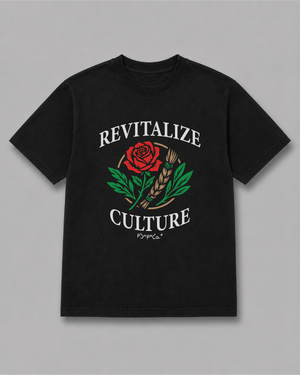
Terrace averages about 327 centimetres of snow a year. We suggest one of our heavyweight hoodies, priced from $59.95 to $89.95, plus our A-frame snapback at $44.95. The Revitalize Culture crewneck at $89.95 also layers well under a winter coat.
Last reviewed . Facts on this page come from the sources listed below.
Indigenous clothing from XUSI
Along the Skeena River, where steelhead runs and deep winter snow shape the year, Terrace residents can order Indigenous-designed XUSI tees, hoodies and hats that we print in Saskatoon and ship across the country.
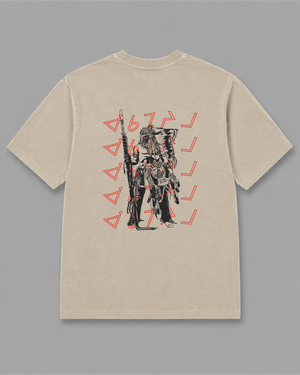
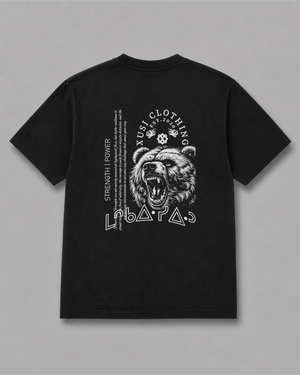
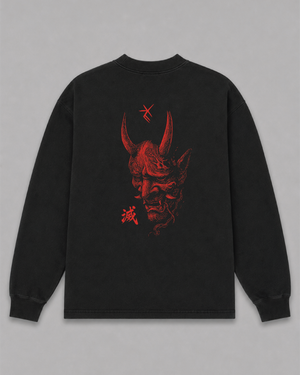
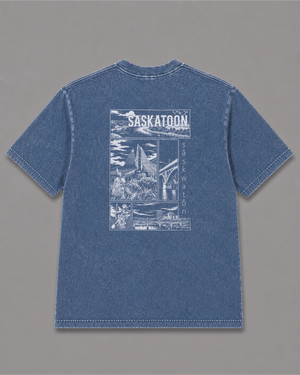
An average Terrace winter brings more than three metres of snow. A heavyweight hoodie is our first pick for shovelling or heading up Shames Mountain. Pair it with an A-frame snapback or keep a toque close. On cool Skeena mornings spent casting for steelhead, our Black Oni long sleeve layers well under a rain shell. Summer at Lakelse Lake calls for a 100% cotton tee or a Golden Era ringer. For Riverboat Days evenings, the Revitalize Culture crewneck adds warmth and carries a Cree word and story. Our women's baby rib tee works for warm July days on Ferry Island.