
Indigenous Truro: Mi’kma’ki, Nations and Community
An introduction to Truro: its history, the Nations whose lands it sits on, and Indigenous community life today, with sources.
About Truro
Truro had 12,954 residents in the 2021 census, on about 37.5 km² of land. It sits on the Salmon River where it meets Cobequid Bay, at the eastern end of the Minas Basin. The town was incorporated in 1875. It is called the Hub of Nova Scotia because rail and highway routes to Halifax, Cape Breton, the Annapolis Valley and Montreal all meet here. Stanfield's textile mills have operated since 1870, and a dairy company has been in town since 1894. Dalhousie University's Agricultural Campus is in neighbouring Bible Hill. Millbrook First Nation's largest community lies about 8 km south of town. Victoria Park, a large municipal woodland, sits right on the edge of downtown.
Truro history
The Mi'kmaq lived here first, with a village along the Salmon River. Their name for the place, Wagobagitik, means the end of the water's flow. French Acadians settled the area by 1701. They were forced out during the deportation of 1755. In the 1700s the British signed a series of Peace and Friendship Treaties with the Mi'kmaq and neighbouring nations. The treaties did not transfer any land. New England settlers arrived and named the town Truro in 1759, likely after Truro in Cornwall. The Intercolonial Railway made Truro a major rail centre. Stanfield's opened its textile mills in 1870, and the town was incorporated in 1875. The Nova Scotia Agricultural College was founded in 1905, the only agricultural college in Atlantic Canada. During the First World War, the No. 2 Construction Battalion was based in Truro. It was Canada's largest Black military unit of that war. Between 1867 and 1915, the reserves that now make up Millbrook First Nation were set aside. They range from under 10 to about 300 hectares, and the Millbrook reserve near Truro is the largest by population.
Treaty and territory
Truro is in Mi’kma’ki, the homeland of the Mi’kmaq, which is covered by the Peace and Friendship Treaties. Those treaties contained no land transfer provisions, and Millbrook First Nation’s main community sits just south of town.
Nearby: Millbrook First Nation · Bible Hill · Brookfield · Stewiacke · Tatamagouche · Great Village
Indigenous Truro today
Millbrook First Nation is a Mi'kmaq community with seven reserves across Nova Scotia. Its main reserve, about 8 km south of Truro, is home to 921 people. Cole Harbour, with 208 residents, is its second-largest community. Lawrence Paul led Millbrook as chief for 28 years, from 1984 to 2012, before Bob Gloade took over. The Nation describes itself as a leader in business and development in the region. It runs departments for education, fisheries, housing, youth and recreation, and economic development. Its Mi'kmaq Cultural and Heritage Centre is a place to share history and tradition with visitors and students. Millbrook has produced several notable people. They include the activist Nora Bernard and the artist Alan Syliboy, along with former chief Lawrence Paul. The Peace and Friendship Treaties still shape life here. In 1999, the Supreme Court's Marshall decision confirmed that Mi'kmaq treaty rights to hunt and fish had never been extinguished. That ruling affects Mi'kmaq communities across Nova Scotia, including Millbrook.
Life in Truro
Victoria Park is Truro's pride. The 3,000-acre woodland holds old-growth stands of eastern hemlock typical of the New England–Acadian forest. Trails lead past waterfalls, and mountain bikers use its purpose-built routes. The town's place as a junction still defines it. Rail and highway lines to Halifax, Cape Breton, the Annapolis Valley and Montreal all pass through, earning it the name Hub of Nova Scotia. Farming is part of the local identity. Dalhousie's Agricultural Campus in Bible Hill trains students in agriculture, and Nova Scotia Community College also has a campus there. Stanfield's has run textile mills in Truro since 1870, more than 150 years. Dairy has been part of the town's economy since the 1890s. The Salmon River and Cobequid Bay, at the head of the Minas Basin, frame the town's setting.
Truro seasons and weather
Truro has cold, snowy winters and warm, wet summers. January averages about -7°C, and the town gets around 215 cm of snow a year. July averages about 18°C. With over 1,100 mm of precipitation a year, a hoodie and a spare layer are always useful here.
More on the region: Indigenous Nova Scotia · all of Canada.
Keep learning in the XUSI Journal
- First Nations, Métis and Inuit: What’s the Difference?
- How to Write a Land Acknowledgement That Means Something
- Orange Shirt Day & the National Day for Truth and Reconciliation
- National Indigenous Peoples Day and History Month: A Guide
- All Journal articles
Truro questions
Do you ship to Truro, and how fast do orders leave your shop?
Yes. Orders of $90 or more ship free to Truro and anywhere else in Canada. Smaller orders show the shipping cost at checkout. Every order is packed in Saskatoon and leaves our shop within 1 to 3 business days.
Can XUSI print custom shirts for a Truro school, team or group?
Yes. Custom screen printing starts at 10 garments, with up to 4 colours per design. Every order gets a full quote before anything is printed, and design help is included. We print in Saskatoon and ship the finished order to Truro.
Does XUSI have any partnership with Millbrook First Nation?
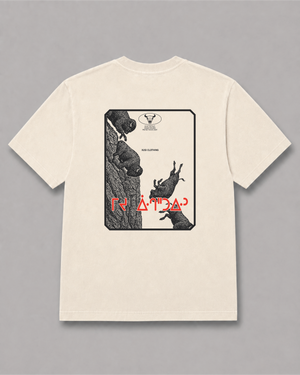
No. XUSI is a separate Indigenous-owned company founded in Saskatoon in 2020 by two brothers, on Treaty 6 territory. We have no partners, stockists or events in Truro or Millbrook. Many of our designs carry a Cree word, and we explain each one on our meanings page.
What should I wear from XUSI in Truro's wet weather?
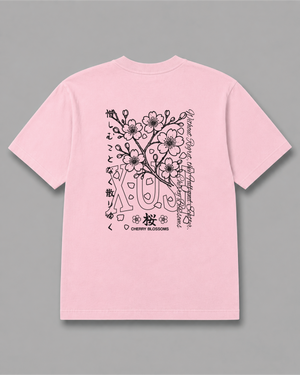
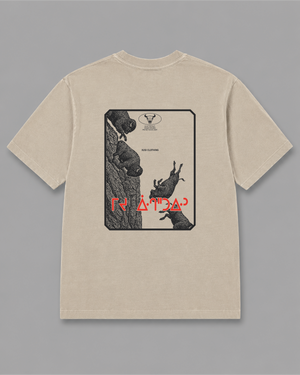
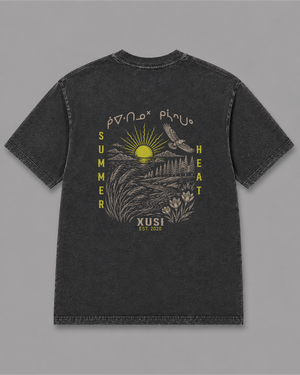
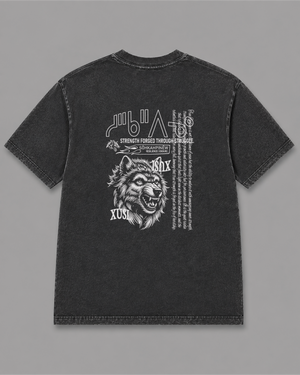
Truro gets over 1,100 mm of precipitation a year, so plan to layer. Our heavyweight 100% cotton tee works under a rain shell in summer. In colder months, add a hoodie, priced from $59.95 to $89.95, or the Black Oni long sleeve at $54.95.
Last reviewed . Facts on this page come from the sources listed below.
Indigenous clothing from XUSI
Known to the Mi'kmaq as Wagobagitik, the end of the water's flow, Truro is the hub of Nova Scotia, and XUSI ships Indigenous-designed tees, hoodies and hats here from Saskatoon.
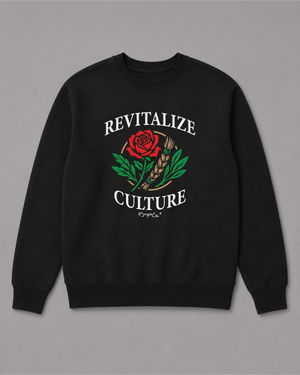
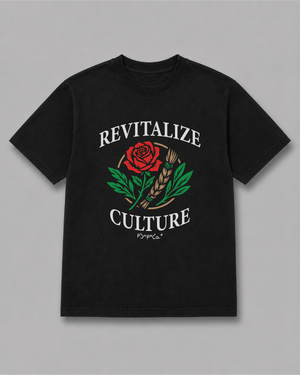
Truro's wet summers and snowy winters mean layers matter. Our heavyweight 100% cotton tee is right for a July hike to the falls in Victoria Park. When the trail gets damp and cool, a hoodie keeps you comfortable. The Black Oni long sleeve suits a crisp fall ride on the park's bike routes. In winter, the Revitalize Culture crewneck layers well under a coat with over two metres of snow on the ground. Our A-frame snapback helps on sunny days by Cobequid Bay. The women's baby rib tee is an easy summer pick for campus life in Bible Hill.