
Indigenous Nova Scotia: Mi’kma’ki, Treaties and Community
An introduction to Nova Scotia: its history, its Nations and treaties, and Indigenous community life today, with sources.
About Nova Scotia
Nova Scotia is a peninsula and island almost entirely surrounded by the Atlantic, with Cape Breton Island joined to the mainland by the Canso Causeway. This is Mi’kma’ki, the homeland of the Mi’kmaq, and one of only two provinces whose territory belonged traditionally to a single Indigenous people. Thirteen Mi’kmaw First Nations hold 42 reserves; Eskasoni in Cape Breton is the most populous and Sipekne’katik the largest on the mainland. The Mi’kmaq signed Peace and Friendship Treaties in 1725, 1752 and 1760 to 1761, and the 1999 Marshall decision of the Supreme Court affirmed treaty rights to fish and earn a moderate livelihood. Every October 1 is Treaty Day, marking the 1752 treaty and opening Mi’kmaq History Month, proclaimed in 1993. Halifax is the capital, and fishing, the ocean economy, universities and tourism drive the province.
Nova Scotia history
The Mi'kmaq have lived in what is now Nova Scotia for as long as 10,000 years. Their ancestral and unceded homeland, Mi'kma'ki, also takes in Prince Edward Island, the island of Newfoundland, and parts of New Brunswick and Quebec. The Sante' Mawio'mi, or Mi'kmaq Grand Council, is the traditional government, and it was in place before Europeans arrived. In 1605 the French founded Port-Royal, the first European agricultural settlement in Canada. Five years later, the Mi'kmaq chief Henri Membertou became the first Indigenous person baptized as a Catholic in New France. King James I of England named the same land New Scotland in 1621. The Treaty of Utrecht handed Acadia to Britain in 1713. Halifax was founded in 1749 as a military town and naval base. In 1755 British forces rounded up more than 6,000 Acadian men, women and children and expelled them. During the American Revolution, the Mi'kmaq signed two further treaties to secure alliances. Nova Scotia joined Confederation in 1867 as one of the four founding provinces. In the 1940s, the Department of Indian Affairs forced more than 2,000 Mi'kmaq living in many small communities onto government-designated reserves. That policy, known as centralization, is part of the history Mi'kmaw families still carry today.
Treaty and territory
Nova Scotia is Mi’kma’ki, the ancestral territory of the Mi’kmaq, covered by the Peace and Friendship Treaties of the 1700s, which did not surrender land.
Nearby: Halifax · Sydney · Eskasoni First Nation · Membertou First Nation · Sipekne’katik First Nation · Truro
Regions of Nova Scotia
Mi'kma'ki is organized into districts, and Nova Scotia's landscapes line up with several of them. Unama'kik, which Parks Canada interprets as land of fog, is Cape Breton, where the Highlands and the Cabot Trail rise. Sɨpekne'katik takes in the Shubenacadie district and the Minas Basin coast in the centre of the mainland. Kespukwitk, the end of flow, runs west of the LaHave River to Yarmouth and Cape Sable in the southwest. Eskikewa'kik follows the Atlantic coast from west of Sheet Harbour to Canso. Epekwitk aq Piktuk joins Prince Edward Island with the lowlands along the Northumberland Strait. Siknikt reaches across the Bay of Fundy region toward the Miramichi River in New Brunswick. The Atlantic Upland shapes much of the interior between these coasts. At Kejimkujik, a Mi'kmaw cultural landscape of travel routes, fishing sites and hunting territories survives inland. The Peace and Friendship Treaties were agreements between sovereign nations. The Canadian Encyclopedia notes that they recognize the inherent rights of the Mi'kmaq and ground modern treaty claims. Mi'kmaw communities also exist in New Brunswick, Quebec and Newfoundland.
Indigenous Nova Scotia today
As of January 2024, 19,157 registered Mi'kmaq lived in Nova Scotia. Across Canada, about 9,000 people reported speaking Mi'kmaw in the 2021 census. Much of the work of keeping it strong happens in schools. Mi'kmaw Kina'matnewey serves 12 of the 13 Mi'kmaw communities in the province. It reports that high school graduation among First Nation students in Nova Scotia has reached nearly 94 per cent. In Eskasoni it runs a stand-alone immersion school for students up to grade 4. Its Mentor Apprentice and Junior Mentor Apprentice programs pair learners with fluent speakers. At Cape Breton University in Sydney, Unama'ki College has been the centre of Indigenous education for almost 50 years. Its faculty and staff include Mi'kmaq speakers, and it delivers courses in Mi'kmaw communities. The Elmitek Pathway Program was built with local communities to remove barriers to university. In Halifax, the Mi'kmaw Native Friendship Centre opened on September 17, 1973. Today it runs more than sixty-five core programs from Brunswick Street. It works as a gathering place for the city's urban Indigenous community.
Life in Nova Scotia
Nova Scotia's heart is its coast, yet forest covers 79 per cent of its land, just over 4 million hectares. The Atlantic Upland is one of its chief physical features. Its fisheries lead the Atlantic coast, and lobster and other shellfish are among the most valuable exports. The Annapolis Valley is known for growing apples. In the Cape Breton Highlands, the Cabot Trail loops through the island's high country. Coal once drove Cape Breton's economy, until the last mine closed in 2001. Halifax holds 465,703 people, roughly 48 per cent of the province, while 30.7 per cent of Nova Scotians still live rurally. Inland, Kejimkujik became the first national park to also hold national historic site status, in 1995. It protects a Mi'kmaw cultural landscape of petroglyphs, habitation and fishing sites, hunting territories and travel routes.
Nova Scotia seasons and weather
Ocean air keeps winters milder than inland Canada but brings wet snow, rain, fog and strong wind. Layers that handle damp chill, like a hoodie and a hat, are practical much of the year.
Communities in Nova Scotia
Keep learning in the XUSI Journal
- First Nations, Métis and Inuit: What’s the Difference?
- How to Write a Land Acknowledgement That Means Something
- Orange Shirt Day & the National Day for Truth and Reconciliation
- National Indigenous Peoples Day and History Month: A Guide
- All Journal articles
Nova Scotia questions
I want to order something special for Treaty Day in Nova Scotia. When will it ship?
Orders leave our Saskatoon shop within 1 to 3 business days. Shipping cost appears at checkout, and orders of $90 or more ship free within Canada, so plan ahead for an event date.
Can a Cape Breton band office or youth centre order custom printed tees?
Yes. The minimum is 10 garments, with up to 4 colours per design and a maximum print size of 23 by 31 inches. Design help is free, every order is quoted before printing, and we ship the order from Saskatoon.
Does XUSI make designs in the Mi'kmaw language?
Our designs carry Cree words, because we are a Indigenous-owned company based in Saskatoon, on Treaty 6 territory. Each word comes with its story on our meanings page. We do not claim to speak for Mi'kmaw culture. If a Nova Scotia group wants its own design, our custom screen printing includes design help.
Can a Nova Scotia school order printed shirts for a language or culture program?
Yes. Custom screen printing starts at 10 garments, with up to 4 colours per design, and every order is quoted before printing. We help with the design, print everything in Saskatoon and ship the order to your school anywhere in the province.
Last reviewed . Facts on this page come from the sources listed below.
Sources for this page
- Nova Scotia – The Canadian Encyclopedia
- Mi'kmaq – The Canadian Encyclopedia
- About Us – Mi'kmaw Kina'matnewey
- About – Mi'kmaw Native Friendship Centre
- Unama'ki College – Cape Breton University
- Kejimkujik culture – Parks Canada
- Map of the Districts of Mi'kma'ki – Fort Anne National Historic Site, Parks Canada
- Cultural Landscapes – Ta'n Weji-sqalia'tiek Mi'kmaw Place Names
Indigenous clothing from XUSI
XUSI is an Indigenous-owned brand from Saskatoon, and we mail our designs coast to coast, including to Nova Scotia. Halifax, Cape Breton and the Annapolis Valley can all receive our hats, hoodies and tees.
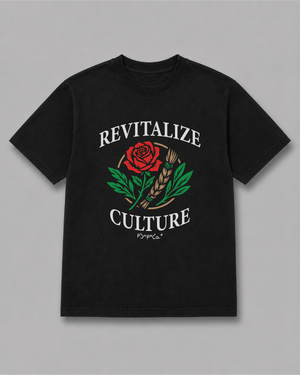
Nova Scotia weather rolls in off the water, so we think in layers here. A heavyweight hoodie is the right weight for a foggy morning on a Halifax wharf or a windy lookout on the Cabot Trail. Our Black Oni long sleeve suits a fall day picking apples in the Annapolis Valley. For paddling or hiking at Kejimkujik in summer, our heavyweight cotton tee and an A-frame snapback keep the sun off. When October brings Treaty Day and Mi'kmaq History Month, the Revitalize Culture crewneck makes a thoughtful choice for a cool autumn gathering.