
Indigenous Williams Lake: Unceded Secwépemc Territory, Nations and Community
An introduction to Williams Lake: its history, the Nations whose lands it sits on, and Indigenous community life today, with sources.
About Williams Lake
Williams Lake had 10,947 residents in the 2021 census, and its wider census area counted 23,608 people. The city sits in the central Cariboo, named for a nearby lake. That lake was named in 1860 for Chief William, a Secwépemc leader from what is now the Sugarcane reserve. Williams Lake First Nation, known in Secwépemc as T'exelcemc, is centred right beside the city. Williams Lake incorporated in 1929 and grew as the market town for Cariboo cattle ranches. Forestry, mining, tourism and public services now anchor its economy. Locals sometimes call the city Willy's Puddle. It is best known for the Williams Lake Stampede, held each Canada Day long weekend at its original 1919 grounds. The Fraser River runs just west of town through dry, rolling country.
Williams Lake history
Secwépemc people have lived in and travelled through the Williams Lake area for thousands of years. The local Downtown association notes the Secwépemc name Yucwt for the area. Tourism Williams Lake gives an older name, Columneetza, often translated as a meeting place. The Cariboo Gold Rush of the 1860s turned the lake into a trading stop on two pack trails to the gold fields. Chief William of the Secwépemc counselled his people not to join the conflict of that era. The lake, and later the city, were named in his honour. The Cariboo Road bypassed the settlement in 1863, and it faded for decades. From 1886 to 1981, St. Joseph's Mission Residential School operated near T'exelc, run by Catholic Oblates. In July 2021, Williams Lake First Nation began its own investigation of the former school grounds. Its geophysical surveys identified reflections that may indicate burials, while noting that only excavation can give certainty. The Pacific Great Eastern Railway arrived in 1919 and revived the town. The first Williams Lake Stampede was held that same year. Williams Lake incorporated in 1929. Ranching drove the early economy, and forestry later grew larger. In 2017, a wildfire emergency forced residents to evacuate to Prince George and Kamloops.
Treaty and territory
Williams Lake is in unceded Secwépemc territory, home of the T’exelcemc (Williams Lake First Nation). The Nation has never signed a treaty and signed an Agreement in Principle in modern treaty talks in 2018.
Nearby: Williams Lake First Nation (T'exelc / Sugarcane) · Xatśūll (Soda Creek) · Esk'etemc (Alkali Lake) · 150 Mile House · Quesnel · 100 Mile House
Indigenous Williams Lake today
Williams Lake First Nation counted 1,053 members in 2024, with most living off reserve. Its main reserve, Sugarcane, covers about 1,645 hectares southeast of the city. The Nation manages eight reserves in total, including Five Mile, Chimney Creek and San Jose. It is a member of the Northern Shuswap Tribal Council and is led by Chief Willie Sellars. The Cariboo Friendship Society has been active downtown since 1967 and registered in 1969. It runs Aboriginal Head Start, counselling, pregnancy support and housing. Since 1985 it has built 88 residential units, mostly for Indigenous residents. The society also operates The Hearth restaurant and an arts and craft shop. Its board requires that two-thirds of directors be of Native descent. Of its 83 staff, 36 identify as Indigenous. Indigenous-owned businesses listed by Tourism Williams Lake include the Chief Will-Yum Gas Station and Gift Store and Coyote Rock Golf Course. The visitor centre says it follows the Truth and Reconciliation Commission's call for economic reconciliation. Williams Lake First Nation continues treaty negotiations with Canada and British Columbia.
Life in Williams Lake
The Williams Lake Stampede is the city's signature event and is often called Canada's second-largest professional rodeo after Calgary. It fills the Canada Day long weekend each year. The working economy leans on forestry, sawmilling, mining and ranching. West Fraser and Tolko run major sawmills, and Gibraltar Mine is described as Canada's second-largest open-pit copper mine. Mountain biking has become a big draw. Fox Mountain has 28 trails and more than 45 km of singletrack. The Westsyde network offers 40 trails and over 97 km of riding, with Fraser River views. South Lakeside is known for long, smooth cross-country climbs. Desous Mountain, west of the city, drops about 3,500 feet from summit to river. The River Valley Trail is another popular route out of town.
Williams Lake seasons and weather
Williams Lake has a continental climate with about 2,000 hours of sunshine a year. Winters can be severe, and the city's record low is −42.8 degrees, set in January 1943. Summers can turn very hot, with a record of 41.1 degrees. That range calls for a warm hoodie and toque in winter and a light cotton tee for Stampede weekend.
More on the region: Indigenous British Columbia · all of Canada.
Keep learning in the XUSI Journal
- First Nations, Métis and Inuit: What’s the Difference?
- How to Write a Land Acknowledgement That Means Something
- Orange Shirt Day & the National Day for Truth and Reconciliation
- National Indigenous Peoples Day and History Month: A Guide
- All Journal articles
Williams Lake questions
Do you ship XUSI orders to Williams Lake?
Yes. Orders of $90 or more ship free to Williams Lake and anywhere else in Canada. Orders under $90 show the shipping cost at checkout. Everything leaves our Saskatoon shop within 1 to 3 business days.
Can you print custom shirts for a Williams Lake group or event?
Yes. Custom screen printing starts at 10 garments, with up to 4 colours per design. Every order gets a full quote before anything is printed, and design help is included. We print in Saskatoon and ship the finished order to you in the Cariboo.
What should I wear to the Williams Lake Stampede?
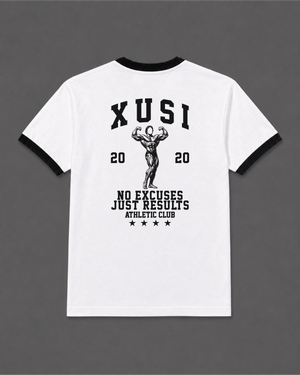
The Stampede runs over the Canada Day long weekend, when the Cariboo is usually hot and dry. We suggest a breathable ringer tee or heavyweight cotton tee, plus an A-frame snapback for shade. A light hoodie is handy once the sun drops at the evening events.
I ride Fox Mountain and Westsyde. Will XUSI tees handle the trails?
Our heavyweight tees are 100% cotton with a generous fit, so they suit casual riding and après-ride hangs better than race days. Many Williams Lake riders pair a cotton tee with a hoodie for cool mornings on the singletrack. For hot climbs, a technical jersey underneath and a tee for the drive home works well.
Last reviewed . Facts on this page come from the sources listed below.
Sources for this page
- Williams Lake - The Canadian Encyclopedia
- Williams Lake, British Columbia - Wikipedia
- Williams Lake First Nation - Wikipedia
- St. Joseph's Mission Investigation - Williams Lake First Nation
- Who We Are - Cariboo Friendship Society
- History of Williams Lake - Downtown Williams Lake
- Indigenous Tourism - Tourism Williams Lake
- Trails - City of Williams Lake
Indigenous clothing from XUSI
Williams Lake runs on rodeo grit, sawmills and singletrack, and XUSI brings Indigenous-designed tees, hoodies and hats from our Saskatoon print shop to people across the Cariboo.
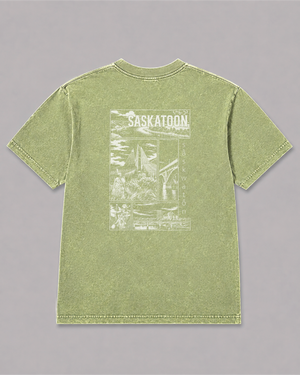
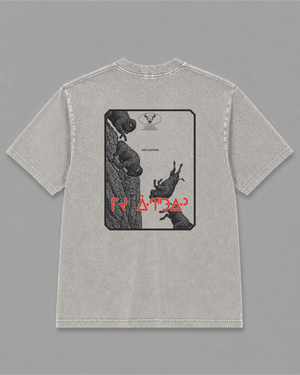
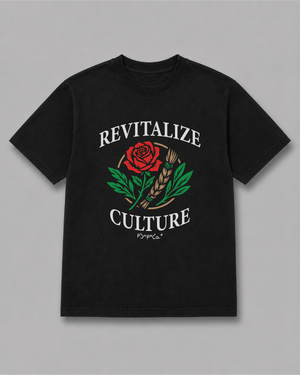
Williams Lake asks a lot of your clothes, from dusty rodeo grounds in July to deep cold in January. We suggest the Golden Era ringer tee for Stampede weekend, when the grandstands bake in the sun. For early rides on Fox Mountain, a heavyweight cotton tee under a hoodie peels off easily once the climb warms you up. An A-frame snapback shades your eyes on the Westsyde trails above the Fraser. When the snow settles in, the Black Oni long sleeve and a heavier hoodie make a solid base for mill shifts or evenings downtown.