
Indigenous Windsor: Three Fires Territory, Nations and Community
An introduction to Windsor: its history, the Nations whose lands it sits on, and Indigenous community life today, with sources.
About Windsor
Canada’s southernmost city lines the Detroit River between Lake St. Clair and Lake Erie, looking across at Detroit. Ojibwe, Odawa, Potawatomi and Huron-Wendat peoples lived in the region before the McKee Purchase of 1790 opened it to settlement. Ford Motor Company of Canada began operations here in 1904, earning Windsor the nickname Auto Capital of the British Empire, and the auto sector still dominates alongside other manufacturing and the Hiram Walker distillery. The Ambassador Bridge, opened in 1929, and the Detroit-Windsor Tunnel make it a major international gateway. The University of Windsor and St. Clair College are the main post-secondary schools. The Can-Am Indian Friendship Centre, incorporated in 1981, serves Indigenous people across Windsor and Essex County with youth, employment, mental health, courtwork and cultural programs. Walpole Island First Nation, known as Bkejwanong, and Caldwell First Nation are the nearest First Nations.
Windsor history
The first land grants for European settlement along this shore were made in 1749. The 1790 treaty that opened the area was the southernmost of the Upper Canada treaties, reaching as far as Point Pelee. The British paid for it with goods valued at 1,200 pounds. A separate agreement, Treaty 35, was signed with the Huron-Wendat on August 13, 1833. It covers land in present-day LaSalle and Amherstburg. During the War of 1812, nearby Fort Malden in Amherstburg was the British stronghold on the Detroit frontier. It played that role again during the rebellions of 1837–38. In 1836, residents chose the name Windsor, reflecting Loyalist and British ties. A village was incorporated in 1854, the year the railway arrived. It became a town in 1858 and a city in 1892. Assumption College opened in 1857 and became the University of Windsor in 1962. In 1890, Walkerville was incorporated as a company town around Hiram Walker's distillery. Automaking transformed the place. Windsor had about 21,000 residents in 1908 and 105,000 by 1928. The Ambassador Bridge was the world's longest international suspension bridge when it opened, and the auto tunnel to Detroit followed in 1930.
Treaty and territory
Windsor is on the traditional territory of the Three Fires Confederacy of First Nations: the Ojibwe, Odawa and Potawatomi.
Nearby: Walpole Island First Nation (Bkejwanong) · Caldwell First Nation · Tecumseh · LaSalle · Amherstburg
Indigenous Windsor today
In the 2016 census, Indigenous residents made up 2.6% of Windsor's population. Caldwell First Nation calls itself the People of the Lake. It describes itself as a strong sovereign First Nation fighting assimilation, and it values trust, harmony and honour in its relations with other nations. Its office is on Orange Street in Leamington. The Nation runs culture and language initiatives, a health department with foot care clinics and meal programs, and child welfare services. It also supports housing, employment and training, and post-secondary education for members. Walpole Island First Nation, on Bkejwanong Territory, runs its own health centre, heritage centre and library. It also operates the Bkejwanong Youth Facility and the Bkejwanong Children's Centre. The community hosts the Harvest Moon Pow-Wow. At the University of Windsor, Turtle Island Aboriginal Education Centre operates from Room 179 of the CAW Student Centre. It aims to help Indigenous students reach their highest potential in a culturally supportive setting. Students find a lounge and study area, referrals to campus supports, volunteer and work opportunities, and cultural programming and events. Staff also visit schools and give community presentations.
Life in Windsor
The 2016 census counted 217,188 people in Windsor. About 20.8% reported French ethnicity, and 26.9% belonged to visible minority groups. The Ojibway Prairie Complex is one of the city's natural treasures. Six natural areas lie within a 10-minute drive of downtown. They include Ojibway Park, Tallgrass Prairie Heritage Park, Black Oak Heritage Park and a provincial nature reserve. The City manages about 260 hectares, and the reserve adds more than 105. More than 4,000 species live there, including over 160 rare plants and animals. Less than 0.5% of southwestern Ontario's original prairie and savanna survives, making Ojibway one of the largest remnants. Not far from the city, Point Pelee National Park marks the southernmost point of the Canadian mainland. It is Canada's second smallest and most ecologically diverse national park. It is also a dark sky preserve. Visitors come to hike, cycle, paddle, swim and watch birds.
Windsor seasons and weather
Windsor’s far-south location brings some of the warmest, most humid summers in Ontario, though winters still deliver freezing temperatures and snow. Tees carry you through much of the year, with a hoodie for the cooler months.
More on the region: Indigenous Ontario · all of Canada.
Keep learning in the XUSI Journal
- First Nations, Métis and Inuit: What’s the Difference?
- How to Write a Land Acknowledgement That Means Something
- Orange Shirt Day & the National Day for Truth and Reconciliation
- National Indigenous Peoples Day and History Month: A Guide
- All Journal articles
Windsor questions
Do orders to Windsor get free shipping?
Orders of $90 or more ship free within Canada. Below that amount, shipping to Windsor is calculated at checkout.
Can a Windsor business order printed tees for staff?
Custom screen printing is available from 10 garments, with up to 4 colours and a 23x31 inch maximum screen. Every order gets a full quote before anything is printed, design help is included, and orders are printed in Saskatoon before shipping to Windsor.
What should I wear birding at Point Pelee?
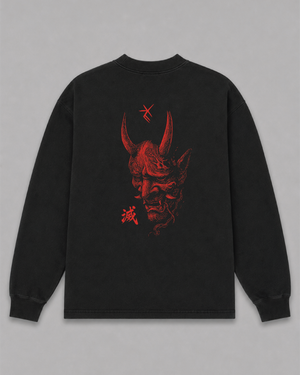
Point Pelee sits at the southern tip of the Canadian mainland, and its trails and beaches get plenty of summer sun. A heavyweight 100% cotton tee ($49.95) and an A-frame snapback ($44.95) work well. In spring or fall, add a hoodie or the Black Oni long sleeve ($54.95) for cool mornings by the water.
Could a University of Windsor Indigenous student group order custom shirts?
Yes. Any student group can order custom screen printing from 10 garments, with up to 4 colours per design. Every order gets a full quote before anything is printed, and design help is included. We print in Saskatoon and ship the finished order to Windsor.
Last reviewed . Facts on this page come from the sources listed below.
Sources for this page
- Windsor – The Canadian Encyclopedia
- Map of Ontario treaties and reserves – Government of Ontario
- Fort Malden National Historic Site – Parks Canada
- Caldwell First Nation
- Walpole Island First Nation
- Turtle Island Aboriginal Education Centre – University of Windsor
- Ojibway Prairie Complex – City of Windsor
- Point Pelee National Park – Parks Canada
Indigenous clothing from XUSI
Across the river from Detroit, Windsor sits at Canada’s southern tip, and XUSI ships there. Tees, hoodies and hats from this Indigenous-owned Saskatoon brand make the long trip east to reach you.
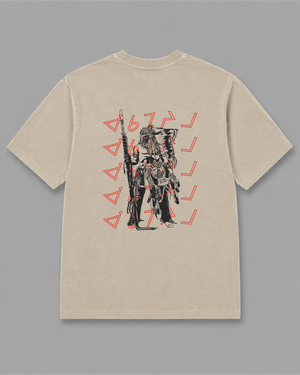
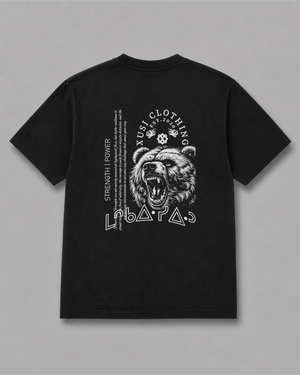
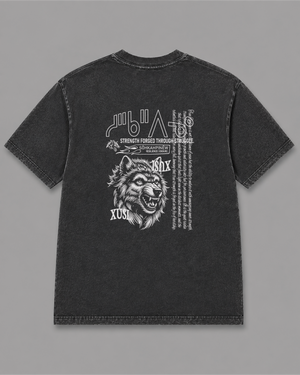
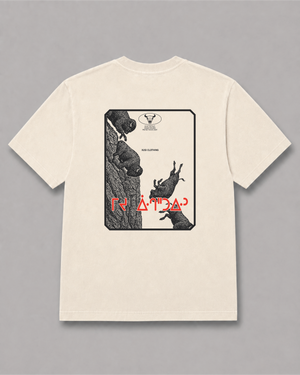
Windsor sits farther south than any other Canadian city, and we think our lighter pieces get plenty of use here. A heavyweight 100% cotton tee handles a humid summer walk through the tallgrass at Ojibway Prairie. An A-frame snapback shades you while birding at Point Pelee, where open beaches offer little cover. The Golden Era ringer tee suits an afternoon at the Harvest Moon Pow-Wow on Walpole Island. When the wind comes off the Detroit River in winter, a hoodie layers well under a coat for the walk downtown. University of Windsor students may like the Black Oni long sleeve for cool fall evenings on campus.