
Indigenous Moose Jaw: Treaty 4, Nations and Community
An introduction to Moose Jaw: its history, the Nations whose lands it sits on, and Indigenous community life today, with sources.
About Moose Jaw
Moose Jaw lies about 65 kilometres west of Regina in Treaty 4 territory, the lands of the Cree, Saulteaux, Dakota, Nakoda and Lakota peoples and part of the Métis homeland. The city’s Cree name is môso-tâpiskan. The Canadian Pacific Railway founded it in 1882 as a divisional point, and the Moose Jaw River winds through the Wakamow Valley. Tatawâw Park, known as The Turn, protects about 550 acres with archaeological resources and burial grounds. Today 15 Wing Moose Jaw, home of military pilot training and the Snowbirds aerobatic team, is the largest employer. Visitors come for the Tunnels of Moose Jaw, which tell stories of Chinese Canadian immigrants and Prohibition, the geothermal mineral pool at Temple Gardens and the Western Development Museum. Saskatchewan Polytechnic has a campus here, and local Indigenous organizations include the Wakamow Aboriginal Community Association and New Southern Plains Métis Local 160.
Moose Jaw history
People have lived in the Moose Jaw River valley for at least 12,000 years. In 2024, archaeologist Alan Korejbo of Respect Heritage Consulting led digs at the Garratt and Davies sites in Wakamow Valley. The team recovered more than 200,000 artifacts, including stone-lined hearths, bison bones and bone tools. Pottery from the dig belongs to the Blackduck culture and has been radiocarbon dated to around 1095 CE. Residue inside the vessels showed corn and wild rice. The findings suggest First Nations families stayed here and cultivated plants long before European contact. On September 15, 1874, Cree, Saulteaux and Assiniboine leaders signed Treaty 4 at Fort Qu’Appelle. Its terms included reserves, schools, farming tools and the right to hunt, fish and trap on unoccupied land. Commissioners kept adding adhesions into 1875. Lakota Chief Black Bull fought at the Little Bighorn in 1876. His band later camped in the valley near today’s 9th Avenue SW park entrance. The Soo Line from Chicago arrived in 1893, and Moose Jaw became a city in 1903. During Prohibition, bootleggers used its rail links to the United States. The population grew by 40 per cent between 1911 and 1921.
Treaty and territory
Moose Jaw is on Treaty 4 territory and the homeland of the Métis.
Nearby: Regina · Caronport · Mortlach · Piapot First Nation · Wood Mountain Lakota First Nation · Buffalo Pound Provincial Park
Indigenous Moose Jaw today
In 2024, the City of Moose Jaw completed its first Indigenous Engagement Framework. The city says First Nations and Métis people shaped it with their knowledge and guidance. A city manager now handles both communications and Indigenous relations. The city marks a full calendar of observances. These include Red Dress Day on May 5, the Moose Hide Campaign on May 11 and National Indigenous Peoples Day on June 21. Indigenous Veterans Day falls on November 8 and Louis Riel Day on November 16. Tatawâw Park has hosted powwows over many years. MooseJawToday reported that the name means there is room for everyone, welcome. The Wakamow Aboriginal Community Association brought its eighth annual powwow back to the park, 25 years after the last one held there. The park’s official unveiling took place the same morning. Local history tours also connect residents with the valley’s Lakota past. Guides point to flat ground between the river and the eastern hills. Black Bull’s people camped there, close to water and a natural river crossing.
Life in Moose Jaw
Moose Jaw is Saskatchewan’s fourth-largest city, with 33,665 people in the 2021 census. It serves the surrounding farm country from its spot on the Trans-Canada Highway. The Moose Jaw Warriors play junior hockey here. The city leans into its big personality. Mac the Moose, billed as the world’s largest moose statue, is a local legend. Downtown walls carry large hand-painted murals, and costumed guides run trolley tours through local history. Casino Moose Jaw adds evening entertainment. Green space runs through town as well. Crescent Park covers 11 hectares near downtown. Wakamow Valley offers camping, canoeing and biking along the river. Tourism Moose Jaw notes that the Besant people once lived in the valley. A stroll here can link rail history, rum-running stories and thousands of years of Indigenous presence within a few blocks.
Moose Jaw seasons and weather
Southern Saskatchewan winters are cold and windy with occasional mild spells, and summers are hot and dry. Light tees handle July, and a heavier hoodie takes over by October.
More on the region: Indigenous Saskatchewan · all of Canada.
Keep learning in the XUSI Journal
- Treaty 4 Explained: The 1874 Qu'Appelle Treaty
- The Numbered Treaties, Explained
- Métis History in Saskatchewan: Places to Learn and Visit
- Residential Schools in Saskatchewan: Where to Start Learning
- All Journal articles
Moose Jaw questions
Can a Moose Jaw Métis local or community association order custom shirts?
Yes. Custom orders start at 10 garments, with up to 4 colours per design, a maximum screen of 23 by 31 inches, and every order is quoted before printing. We help with design, print in Saskatoon and ship to Moose Jaw.
I want to surprise my sister in Moose Jaw with a hoodie. Can it go directly to her?
Yes. Put her Moose Jaw address at checkout, where the shipping cost is calculated, or spend $90 or more for free shipping within Canada. Returns can be requested within 30 days if the size is off.
Can a Moose Jaw group order shirts for a powwow or National Indigenous Peoples Day?
Yes. Our custom screen printing works well for community gatherings like the ones held in Moose Jaw each June. The minimum is 10 garments, with up to 4 colours per design, and every order is quoted before printing. We help with the design, print in Saskatoon and ship to you.
What should I wear for a trolley tour or mural walk downtown?
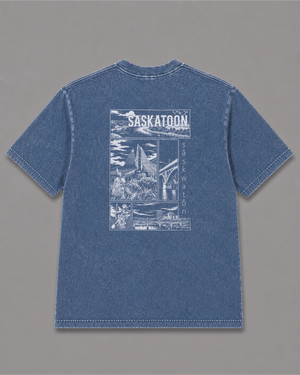
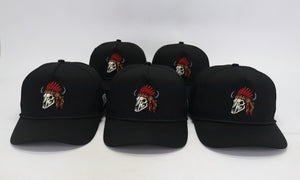
For a warm day downtown, our Golden Era ringer tee, $39.95, or our heavyweight 100% cotton tee, $49.95, is comfortable for walking. Add an A-frame snapback, $44.95, to shade your eyes. On a windy spring day, a hoodie from our $59.95 to $89.95 range is easy to throw over top.
Last reviewed . Facts on this page come from the sources listed below.
Sources for this page
- Moose Jaw – The Canadian Encyclopedia
- Indigenous Relations – City of Moose Jaw
- New archaeological findings expand understanding of First Nations agricultural practices – Windspeaker
- Treaty 4 – The Canadian Encyclopedia
- Tourism Moose Jaw
- Powwow returns to Tatawaw Park after more than two decades away – MooseJawToday
- Tour through Tatawâw Park offers connections to area’s Lakota history – MooseJawToday
Indigenous clothing from XUSI
Moose Jaw customers can shop Indigenous clothing from XUSI without leaving home. We are an Indigenous-owned company in Saskatoon, and we mail our screen-printed hoodies, hats and tees to Moose Jaw and the surrounding area.
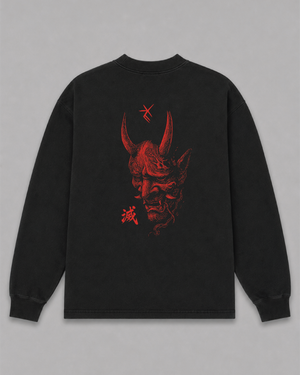
Moose Jaw life happens outdoors much of the year, so we think about what works in the valley. For a summer canoe on the river in Wakamow Valley, our heavyweight cotton tee and an A-frame snapback keep the sun off. When fall winds pick up at Tatawâw Park, the Black Oni long sleeve or one of our hoodies layers well. A cold January night at a Warriors game calls for the Revitalize Culture crewneck under your coat. Our Golden Era ringer tee is an easy pick for a downtown mural walk in June. Everything ships from our shop in Saskatoon.