
Indigenous Toronto: Treaty 13, Nations and Community
An introduction to Toronto: its history, the Nations whose lands it sits on, and Indigenous community life today, with sources.
About Toronto
Canada’s largest municipality and the capital of Ontario, Toronto stretches along the north shore of Lake Ontario and anchors much of the country’s finance, media and culture. The name traces to the Mohawk word tkaronto, often rendered as “where there are trees standing in the water,” which first described fish weirs near present-day Orillia. Wendat villages, then Haudenosaunee and later Anishinaabe Mississauga communities occupied the region before the Toronto Purchase, Treaty 13, and the Mississaugas of the Credit First Nation remain treaty holders for much of the city. The Native Canadian Centre of Toronto, operating since 1962, is the city’s oldest Indigenous community organization and offers cultural, social and recreational programs from a heritage building downtown. Indigenous Fashion Arts, an Indigenous-led organization, has staged festivals of runway shows and designer marketplaces here, including at Harbourfront Centre. The University of Toronto and York University are among its major campuses.
Toronto history
French traders built Fort Rouillé in 1750 on what are now the Exhibition Grounds. The land beneath it had long been Indigenous territory, and its sale to the Crown was troubled from the start. In 1787, Sir John Johnson of the Indian Department met Mississauga leaders at the Bay of Quinte. The Mississaugas of the Credit First Nation says the deed from that meeting was blank, with no description of the land. The chiefs’ marks were attached on separate pieces of paper. On August 1, 1805, the Crown bought 250,830 acres for 10 shillings. The Mississaugas kept the exclusive right to fish on Etobicoke Creek. In 1998, the Nation filed a claim arguing that the Crown had taken more land than agreed, including the Toronto Islands. In 2010, Canada settled the Toronto Purchase and Brant Tract claims for $145 million, then the largest claim settlement in Canadian history. Meanwhile, Lieutenant Governor John Graves Simcoe laid out a small harbour town in 1793 and named it York. U.S. forces raided and pillaged it twice in 1813. York became the City of Toronto in 1834. In 1998, the surrounding municipalities merged into the new megacity.
Treaty and territory
Toronto is on the traditional territory of the Mississaugas of the Credit, the Anishinaabe, the Haudenosaunee and the Wendat, and is covered by Treaty 13 and the Dish With One Spoon wampum.
Nearby: Mississaugas of the Credit First Nation · Chippewas of Georgina Island First Nation · Mississauga · Brampton · Markham · Pickering
Indigenous Toronto today
In 2022, the City of Toronto adopted a Reconciliation Action Plan covering 2022 to 2032. It sets out 28 actions across five themes, and the city’s Indigenous Affairs Office leads the work. On September 30, 2024, the Spirit Garden officially opened at Nathan Phillips Square, beside City Hall. It honours survivors of residential and day schools. Its design includes a teaching lodge, an amphitheatre and elements representing First Nations, Inuit and Métis cultures. Toronto Council Fire Native Cultural Centre describes the project as a 20,650-square-foot Indigenous cultural space. Council Fire, on Dundas Street East, offers counselling, material help and essential services. It reports more than 200,000 client interactions a year with youth, adults, seniors and families. Its programs cover Jordan’s Principle, missing and murdered Indigenous women, girls and Two-Spirit people, youth wellness and health. Council Fire also hosts public events, including the Indigenous Legacy Gathering, a Youth Gathering and a Summer Solstice Celebration. The Legacy Gathering is described as both a celebration and an educational experience for visitors.
Life in Toronto
Toronto counted 2,794,356 residents in the 2021 census. Its three largest industries are financial services, real estate and wholesale and retail trade. Major banks such as CIBC and TD keep their headquarters here. The skyline is led by the CN Tower, completed in 1976 and standing 553 metres tall. Older landmarks include Old City Hall from 1899 and Union Station, opened in 1927. Roy Thomson Hall, from 1982, is a major concert venue. Sports fans can follow the Maple Leafs, Raptors, Blue Jays, Argonauts and Toronto FC. Across the harbour, the Toronto Islands serve as a park preserve open to the public. They were also part of the land at the heart of the Mississaugas’ Toronto Purchase claim. Toronto grew from a French trading fort into a city of nearly 2.8 million. Its treaty history is still part of that story.
Toronto seasons and weather
Lake Ontario softens Toronto’s weather a little, yet winters still bring freezing temperatures, wind off the water and periodic snow, while summers run warm and humid. A hoodie over a tee handles most of spring and fall; deep winter calls for a proper coat on top.
More on the region: Indigenous Ontario · all of Canada.
Keep learning in the XUSI Journal
- First Nations, Métis and Inuit: What’s the Difference?
- How to Write a Land Acknowledgement That Means Something
- Orange Shirt Day & the National Day for Truth and Reconciliation
- National Indigenous Peoples Day and History Month: A Guide
- All Journal articles
Toronto questions
Can I pick up a XUSI order in Toronto?
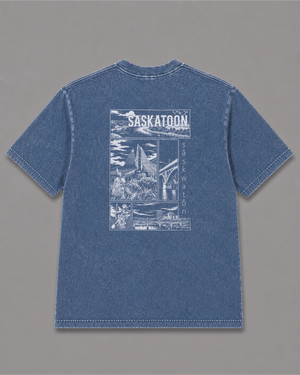
Local pickup is offered only in Saskatoon, so Toronto orders are shipped. Parcels leave Saskatoon within 1–3 business days, and the shipping cost is shown at checkout.
Our Toronto team wants custom printed hoodies. What are the limits?
Custom screen printing starts at 10 garments, allows up to 4 colours per design with design help included, and every order is quoted before printing. The largest screen is 23x31 inches. Everything is printed in Saskatoon and then shipped to you in Toronto.
Can a Toronto Indigenous organization order shirts for a gathering or solstice event?
Yes. Our custom screen printing is designed for groups, with a 10-garment minimum and up to 4 colours per design. Every order gets a full quote before anything is printed, and design help is included. We are Indigenous-owned, print in Saskatoon and ship finished orders to Toronto.
What should I wear for a day on the Toronto Islands?
For a warm, humid island day, our heavyweight 100% cotton tee, $49.95, or the Golden Era ringer tee, $39.95, keeps it simple. An A-frame snapback, $44.95, helps with sun on the beach. The ferry ride back can be breezy, so a hoodie from our $59.95 to $89.95 range is handy.
Last reviewed . Facts on this page come from the sources listed below.
Indigenous clothing from XUSI
Toronto shoppers can order tees, hoodies and hats from XUSI, an Indigenous-owned clothing label rooted in Saskatoon, with every parcel packed on the Prairies and sent east to Ontario’s capital.
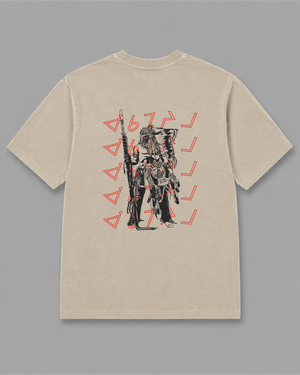
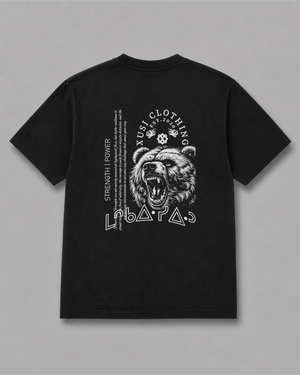
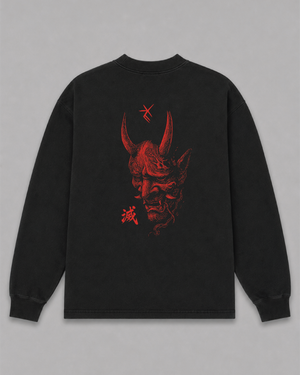
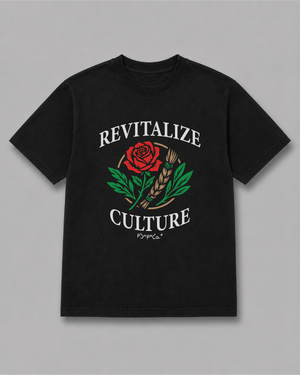
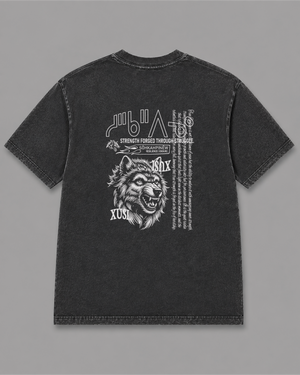
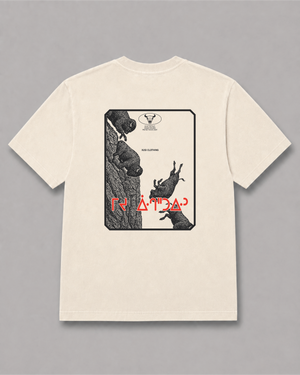
Toronto moves fast, and we think our pieces keep up. On a humid July afternoon on the Toronto Islands, our heavyweight cotton tee and an A-frame snapback make sense. The Golden Era ringer tee suits a summer night at a Blue Jays game. When the wind comes off the lake in October, the Black Oni long sleeve is a good layer on the ferry. For a January Leafs or Raptors game, one of our hoodies under a winter coat does the job. The Revitalize Culture crewneck is a thoughtful choice for a September visit to the Spirit Garden at Nathan Phillips Square. We ship everything from Saskatoon.