
Indigenous Abbotsford: Unceded Stó:lō Territory, Nations and Community
An introduction to Abbotsford: its history, the Nations whose lands it sits on, and Indigenous community life today, with sources.
About Abbotsford
Covering more land than any other city in British Columbia, Abbotsford sits in the Fraser Valley beside the U.S. border. The Stó:lō are the area’s original people, and Semá:th (Sumas First Nation) territory spans the land between the Sumas and Vedder mountains and north of the Fraser River. Semá:th Xó:tsa, or Sumas Lake, was drained in 1924 to create farmland, a loss the Nation describes as causing profound and lasting harm; Lightning Rock, a transformer stone on Sumas Mountain, was returned to Semá:th in 2025. The Máthxwí (Matsqui) and Leq’á:mel First Nations share neighbouring territory. The present city formed in 1995 when Abbotsford amalgamated with the District of Matsqui. Agriculture is central, earning it the title Raspberry Capital of Canada, and the University of the Fraser Valley, Abbotsford International Airport and an annual airshow are other landmarks.
Abbotsford history
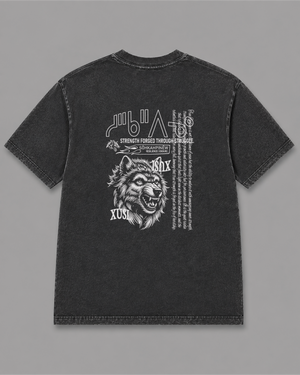
Long before Canada was formed, the Stó:lō, the people of the river, lived on this land. They spoke Halq'eméylem, known as the upriver dialect. Their homeland is called S'ólh Téméxw. The Semá:th describe themselves as the fierce wolf people, part of the larger Stó:lō Nation. Chief Dalton Silver has explained that the name Semá:th refers to the thick grass or reeds in the shallow waters along the lake's shores. The lake was a seasonal gathering place for fishing. Sumas First Nation's Upper Sumas 6 reserve sits at Kilgard, inside today's city limits. The settler town took its name from Harry Braithwaite Abbott, the general superintendent of the Canadian Pacific Railway's British Columbia division. In 1910 the British Columbia Electric Railway arrived. Its Interurban tram linked Abbotsford with Vancouver and Chilliwack until 1950. The Gur Sikh Temple on South Fraser Way was built in 1908 and opened in 1911. It is the oldest Sikh temple in North America and now a national historic site. On November 16, 2021, residents of Sumas Prairie received an evacuation order as floods hit the province. The city called the situation catastrophic. In December 2025, an atmospheric river flooded the Sumas flats again.
Treaty and territory
Abbotsford is on the traditional, unceded territory of the Stó:lō people.
Nearby: Sumas First Nation (Semá:th) · Matsqui First Nation (Máthxwí) · Leq’á:mel First Nation · Mission · Chilliwack · Langley
Indigenous Abbotsford today
Stó:lō community life reaches across the Fraser Valley. The Stó:lō Service Agency serves 11 member First Nations, including Màthxwi, Semà:th and Leq'á:mel, the communities closest to Abbotsford. It works from Vedder Road in Chilliwack and the Coqualeetza grounds. Its programs cover health, dental care, mental health, childcare, employment and income assistance. Its Stó:lō Shxwelí program supports the language. The Stó:lō Research and Resource Management Centre offers archaeology, archives, fisheries management, genealogy, mapping and lands work. It describes its services as both culturally and scientifically sound. Sumas First Nation keeps its band office on Sumas Mountain Road. It runs departments from education and health to emergency management and natural resources, along with the Busy Bear Club Preschool. The Nation teaches Halq'eméylem through classes and intergenerational learning. It has also launched a heritage project called keeping our history alive. At the University of the Fraser Valley, the Xwexwílmexwawt office opened in summer 2009 on the advice of an Aboriginal Community Council. It supports Indigenous programs and recruitment. UFV also keeps an Indigenous Teaching Garden and an Indigenous Student Centre.
Life in Abbotsford
Abbotsford sits on the south bank of the Fraser River, 76 kilometres east of Vancouver. With 153,524 people in 2021, it is British Columbia's fifth most populous municipality. Farming here is big business. Agricultural sales grew from $635 million in 2010 to nearly $1 billion by 2021. The city produces almost half of British Columbia's chicken eggs and dairy milk. The climate is wet. Annual rainfall is about 1,505 millimetres, most of it in winter. Heat can surprise too: the record high reached 42.9°C on June 28, 2021. Hockey fans follow the Abbotsford Canucks, the Vancouver Canucks' American Hockey League affiliate, which moved here for the 2021–22 season. Games take place at the Abbotsford Entertainment and Sports Centre. Mill Lake offers a green space in the heart of the city.
Abbotsford seasons and weather
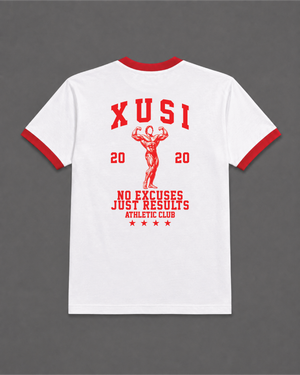
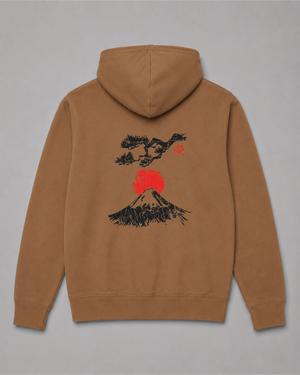
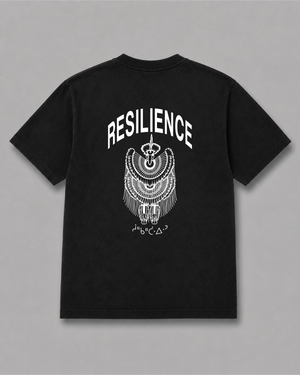
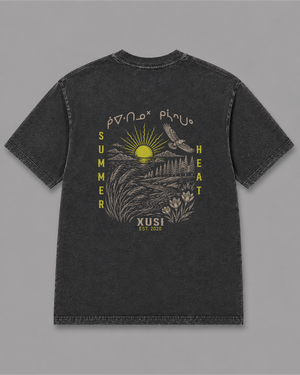
Abbotsford has mild, rainy winters and warmer, drier summers, so a tee works through much of the growing season and a hoodie takes over once the rains return.
More on the region: Indigenous British Columbia · all of Canada.
Keep learning in the XUSI Journal
- First Nations, Métis and Inuit: What’s the Difference?
- How to Write a Land Acknowledgement That Means Something
- Orange Shirt Day & the National Day for Truth and Reconciliation
- National Indigenous Peoples Day and History Month: A Guide
- All Journal articles
Abbotsford questions
How much does shipping to Abbotsford cost?
The cost is calculated at checkout. If your order totals $90 or more, it ships free within Canada.
Can Abbotsford farms or teams order printed hoodies?
Yes. Custom screen printing needs at least 10 garments, allows up to 4 colours per design, the order ships to you from Saskatoon, and every order is quoted before printing.
Does XUSI have designs in Halq'eméylem for Stó:lō families in Abbotsford?
No. Our designs carry Cree words, because we are a Indigenous-owned company from Saskatoon, and each word's story is on our meanings page. We do not make designs in Halq'eméylem. A Stó:lō group that wants its own design can use our custom screen printing, which includes design help.
Can an Abbotsford farm crew or hockey team order printed shirts?
Yes. Custom screen printing starts at 10 garments, with up to 4 colours per design, and every order is quoted before printing. Design help is included. We print everything in Saskatoon and ship it to Abbotsford, so plan around berry season or the start of your season.
Last reviewed . Facts on this page come from the sources listed below.
Indigenous clothing from XUSI
Abbotsford and the wider Fraser Valley can order Indigenous-owned clothing from XUSI, a Saskatoon brand that ships its tees, hats and hoodies west to the valley.
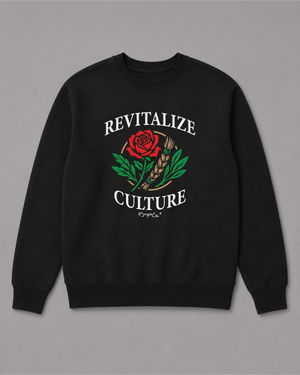
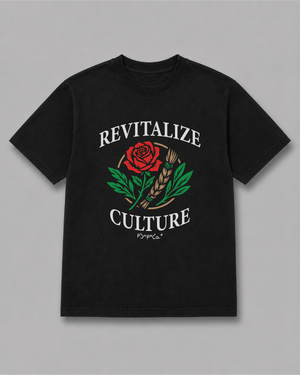
Fraser Valley weather is mild but wet, and we'd build an Abbotsford wardrobe around that. From October to March, a heavyweight hoodie handles damp mornings and drizzle on the walk around Mill Lake. For Abbotsford Canucks games, the Revitalize Culture crewneck is a warm pick for the arena. When berry season and summer heat arrive, a heavyweight cotton tee and an A-frame snapback keep you comfortable in the fields. Our women's baby rib tee layers easily under a rain shell for UFV students moving between classes and part-time jobs across town.