
Indigenous Brantford: Haldimand Tract, Nations and Community
An introduction to Brantford: its history, the Nations whose lands it sits on, and Indigenous community life today, with sources.
About Brantford
Brantford had 104,688 residents in the 2021 census, with 144,162 in the wider metropolitan area. The city grew at a crossing on the Grand River, named Brant's Ford in 1825 after the Kanyen'kehà:ka leader Joseph Brant. It was incorporated as a city in 1877. Six Nations of the Grand River, the most populous First Nation in Canada, lies across the river from the old townsite. Brantford's economy mixes advanced manufacturing, food and beverage production, plastics and digital media. Wilfrid Laurier University runs a downtown campus, Laurier Brantford. Rail trails follow the river toward Paris and Hamilton. The city is also known as the place where Alexander Graham Bell worked on the telephone at his family's homestead in the 1870s.
Brantford history
The Neutral people lived in this part of the Grand River valley before European settlement. In May 1784, the Mississaugas of the Credit ceded about 3 million acres between Lakes Huron, Ontario and Erie to the Crown. That deal, later confirmed by the Between the Lakes Treaty of 1792, made room for Six Nations Loyalists. The Six Nations had supported the British in the American Revolution and lost their homes in New York's Mohawk Valley. Under the Haldimand Proclamation of October 1784, they were granted land six miles deep on both sides of the Grand River. Joseph Brant settled here with his people in 1788. Her Majesty's Chapel of the Mohawks, built in 1785, is the oldest Protestant church in Ontario. Settlers began arriving in 1805, and the Six Nations ceded the townsite in 1830. The Mohawk Institute Residential School operated here from 1828 to 1970. More than 11,000 Indigenous children attended it over those 142 years. In 1876, Alexander Graham Bell made the first long-distance call from Brantford to Paris, Ontario. Six Nations now holds about 5% of the land set out in the Haldimand Proclamation. Its 1995 lawsuit over unsurrendered lands is still unresolved.
Treaty and territory
Brantford lies within the Haldimand Tract, land along the Grand River promised to the Six Nations in 1784. That land came from the Between the Lakes Purchase from the Mississaugas of the Credit First Nation, confirmed by treaty in 1792.
Nearby: Six Nations of the Grand River · Mississaugas of the Credit First Nation · Paris · Hamilton · Caledonia · Cambridge
Indigenous Brantford today
Six Nations of the Grand River unites the Mohawk, Oneida, Onondaga, Cayuga, Seneca and Tuscarora nations of the Haudenosaunee. It is the most populous First Nation in Canada. The Canadian Encyclopedia counted almost 13,000 residents on the reserve in 2017. In 2019, Mark B. Hill became the youngest elected chief in Six Nations history, at age 29. The Woodland Cultural Centre, on Mohawk Street in Brantford, shares the grounds of the former Mohawk Institute. After a campaign called Save the Evidence raised over $26 million from 2015 onward, the old school was restored. It opened as an interpretive historic site on September 30, 2025, the National Day for Truth and Reconciliation. Visitors hear survivor testimony at listening stations and learn what happened inside the building. The centre's executive director has noted how few residential schools are still standing. The Mississaugas of the Credit First Nation is the other nation tied to Brantford's land history. Its reserve lies within the Between the Lakes lands. The City of Brantford has stated that it wants a relationship of peace, friendship, mutual respect and shared prosperity with both Nations.
Life in Brantford
The Grand River runs through the heart of Brantford and shapes much of its outdoor life. The SC Johnson Trail heads upriver to Paris, and the Hamilton to Brantford Rail Trail links the two cities. Both are popular with cyclists and walkers. History draws many visitors. The Bell Homestead became a national historic site in 1997, marking where Alexander Graham Bell developed the telephone. Her Majesty's Chapel of the Mohawks and the Woodland Cultural Centre are both in the city. Hockey fans fill the Wayne Gretzky Sports Centre for junior games and tournaments. The Sanderson Centre for the Performing Arts hosts shows downtown and has appeared in television productions. Laurier Brantford brings students into the core. Manufacturing, food processing and digital media provide much of the city's work.
Brantford seasons and weather
Brantford has four clear seasons. January's daily mean is about -6°C, while July averages around 21°C, and the record high is 38.5°C. The city gets about 867 mm of precipitation a year, including roughly 98 cm of snow, mostly from October to April. A tee for summer and a solid hoodie for winter cover most of the year.
More on the region: Indigenous Ontario · all of Canada.
Keep learning in the XUSI Journal
- Tom Longboat: Onondaga Runner, Soldier and Legend
- First Nations, Métis and Inuit: What’s the Difference?
- How to Write a Land Acknowledgement That Means Something
- Orange Shirt Day & the National Day for Truth and Reconciliation
- All Journal articles
Brantford questions
How does shipping to Brantford work?
We ship online orders to Brantford from our shop in Saskatoon. Orders of $90 or more ship free anywhere in Canada. For smaller orders the shipping cost appears at checkout. Every order leaves Saskatoon within 1 to 3 business days.
Can XUSI print custom shirts for a Brantford school, team or organization?
Yes. Custom screen printing starts at 10 garments, with up to 4 colours per design. Every order gets a full quote before anything is printed, and design help is included. We print in Saskatoon and ship the finished order to Brantford.
Is XUSI connected with Six Nations of the Grand River or the Woodland Cultural Centre?
No. XUSI is a separate Indigenous-owned company founded in Saskatoon on Treaty 6 territory in 2020. We have no partnership or stockist in Brantford or at Six Nations. Our designs often carry a Cree word, and we share the story behind each one on our meanings page.
What XUSI pieces work for a Brantford winter?
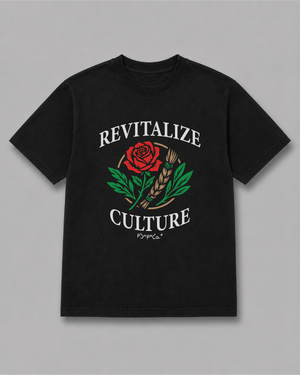
Brantford gets close to a metre of snow in a typical year, mostly from October to April. Our hoodies, priced from $59.95 to $89.95, handle cold rinks and snowy sidewalks. Layer the Revitalize Culture crewneck under a coat, and keep an A-frame snapback for sunny spring days.
Last reviewed . Facts on this page come from the sources listed below.
Sources for this page
- Brantford - The Canadian Encyclopedia
- About - Six Nations of the Grand River
- Between the Lakes Treaty, No. 3 (1792) - Mississaugas of the Credit First Nation
- Seeking Partnership and Prosperity with First Nations - City of Brantford
- History reclaimed: former Mohawk Institute Residential School - The Haldimand Press
- Brantford - Wikipedia
Indigenous clothing from XUSI
On the Grand River, next door to Six Nations of the Grand River, Brantford is a city shaped by Haudenosaunee history, and XUSI ships Indigenous-designed tees, hoodies and hats here from Saskatoon.
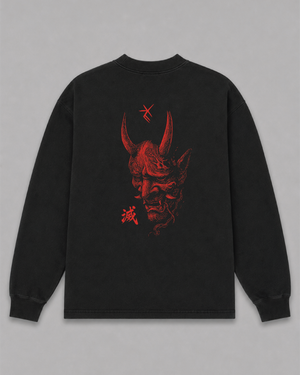
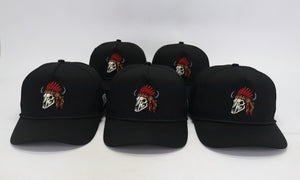
Brantford summers are warm. Our heavyweight 100% cotton tee is the easy pick for a ride on the SC Johnson Trail to Paris. The Golden Era ringer tee suits a summer evening downtown. In fall, the Black Oni long sleeve works for walks along the Grand River when the leaves turn. When snow arrives, our hoodies keep you warm in the stands at the Wayne Gretzky Sports Centre. The A-frame snapback keeps sun off on long trail days. The women's baby rib tee layers well under a jacket through the Grand River's changeable spring.