
Indigenous Hamilton: Dish With One Spoon, Nations and Community
An introduction to Hamilton: its history, the Nations whose lands it sits on, and Indigenous community life today, with sources.
About Hamilton
Hamilton wraps around the western end of Lake Ontario and is split by the Niagara Escarpment, which locals simply call “the Mountain.” The Neutral Nation lived here for centuries before European contact, and the area was known as Head of the Lake when George Hamilton laid out a town in 1815. Canal building helped it become Canada’s largest steel producer, and while the mills have shrunk, health care now leads employment, with Hamilton Health Sciences employing roughly 10,000 people. McMaster University, founded in 1930, and Mohawk College are major institutions, and the Royal Botanical Gardens is a regional attraction. Established in 1972 and incorporated the following year, the Hamilton Regional Indian Centre belongs to the Ontario Federation of Indigenous Friendship Centres and runs more than 30 programs grounded in cultural teachings. Six Nations of the Grand River and the Mississaugas of the Credit First Nation are both a short drive to the southwest.
Hamilton history
People have lived around the head of Lake Ontario for about 6,000 years. The Neutral Nation settled here at least 650 years ago. By the early 1600s they numbered between 20,000 and 40,000. Étienne Brûlé reached the area in 1615 or 1616, and by the early 1650s Neutral society had broken apart. By the late 1700s the Mississaugas held these lands. On May 22, 1784, they ceded about 3,000,000 acres between Lakes Huron, Ontario and Erie for £1,180 in trade goods. The deal is known as the Between the Lakes Purchase, and its boundaries were confirmed in 1792. About 550,000 acres along the Grand River went to the Six Nations under the Haldimand Proclamation. Loyalist settlement followed. In 1816 the new town took Hamilton's name and became seat of the Gore District. A canal through Burlington Beach opened the bay to ships in the late 1820s. British migrants poured in during the 1830s, and Hamilton became a city in 1846. Railway building began in the early 1850s, then collapsed in 1857. Pig iron from the Hamilton Blast Furnace Company in the 1890s set up the steel era. A factory boom lasted until 1913.
Treaty and territory
Hamilton is on the traditional territories of the Haudenosaunee, Anishinaabe and Mississaugas of the Credit, within the lands covered by the Dish With One Spoon wampum and the Between the Lakes Treaty.
Nearby: Six Nations of the Grand River · Mississaugas of the Credit First Nation · Burlington · Brantford · Grimsby
Indigenous Hamilton today
The Hamilton Regional Indian Centre is at 34 Ottawa Street North. It aims to give urban Indigenous people the tools for a balanced, holistic lifestyle. Its Youth Outreach Worker program serves people aged 12 to 25. Urban Indigenous Homeward Bound helps mother-led families move into education and careers. The centre also runs children, youth and family services, health and wellness programs and cultural capacity training. The City of Hamilton has an Urban Indigenous Strategy with its own implementation plan. The city marks National Indigenous Peoples Day, Treaties Recognition Week, Indigenous Veterans Day and Louis Riel Day. It also observes the National Day for Truth and Reconciliation. At McMaster, the Department of Indigenous Studies runs one of the longest-standing programs of its kind in Canada. Elders and Indigenous instructors take part in teaching. Students can earn an honours BA, an MA or a certificate in Indigenous Knowledges, Ecosystems and Society. The university's Indigenous Education Council works to advance Indigenous education on campus. Nearby, Six Nations of the Grand River is the only reserve in North America where all six Haudenosaunee nations live together. The Mississaugas of the Credit reserve sits on Between the Lakes Purchase lands.
Life in Hamilton
Hamilton counted 569,353 people in 2021, up from 536,917 in 2016. The current city formed in 2001, when six municipalities merged. Water shapes the landscape. More than 150 waterfalls pour over the Niagara Escarpment, which is a UNESCO Biosphere Reserve. Webster Falls is the largest in the region, and Tew Falls sits close by. Albion Falls and the Devil's Punchbowl are other favourite stops. Steel still matters, though the industry has shrunk. Stelco's Hamilton facilities closed permanently in 2013, leaving Dofasco as the last remaining steel manufacturer. Dundurn Castle, completed in 1835, is one of the city's best-known heritage homes. Sport has a long story here too. Hamilton lost its NHL franchise in 1924, but the Tiger-Cats remain the city's professional team.
Hamilton seasons and weather
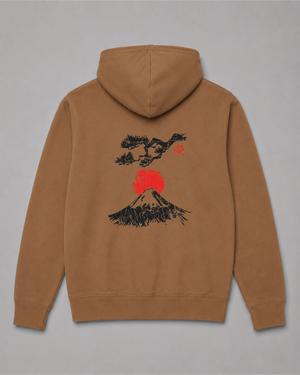
Winds off the lake can make Hamilton winters raw, with a mix of snow, freezing rain and thaws, while summers turn hot and humid. A mid-weight hoodie earns its keep from September through May.
More on the region: Indigenous Ontario · all of Canada.
Keep learning in the XUSI Journal
- First Nations, Métis and Inuit: What’s the Difference?
- How to Write a Land Acknowledgement That Means Something
- Orange Shirt Day & the National Day for Truth and Reconciliation
- National Indigenous Peoples Day and History Month: A Guide
- All Journal articles
Hamilton questions
How quickly is a Hamilton order sent out?
Orders are packed in Saskatoon and leave within 1–3 business days. Shipping cost to Hamilton is calculated at checkout.
Can a Hamilton club order a small batch of custom shirts?
A custom run needs at least 10 garments. Designs can use up to 4 colours, design help is included before printing in Saskatoon, and every order is quoted before printing.
Could the Hamilton Regional Indian Centre or a McMaster student group order custom shirts?
Yes. Custom screen printing starts at 10 garments, with up to 4 colours per design, and every order is quoted before printing. Design help is included, so we can lay out your logo or wording, including Haudenosaunee or Anishinaabe languages you supply. We print in Saskatoon and ship to Hamilton.
Do XUSI's Cree designs fit in Haudenosaunee and Mississauga territory?
Many of our designs carry a Cree word and story, shared on our meanings page, because we are based in Saskatoon on Treaty 6 territory. Hamilton sits on land with its own Nations and treaties. For local languages, a custom order using your community's wording is the respectful route.
Last reviewed . Facts on this page come from the sources listed below.
Sources for this page
Indigenous clothing from XUSI
Hamilton, the Steel City at the western tip of Lake Ontario, is on XUSI’s shipping map. This Indigenous-owned Saskatoon brand mails its tees, hoodies and hats straight to Hamilton doorsteps.
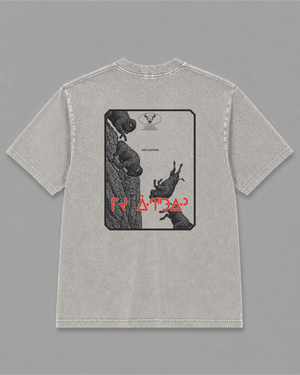
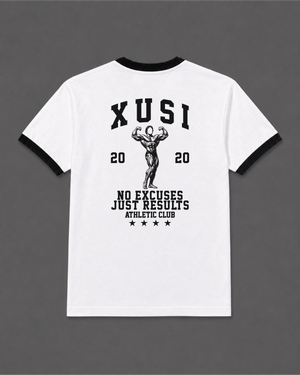
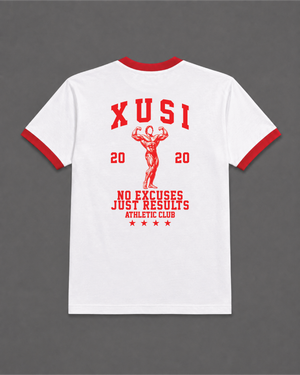
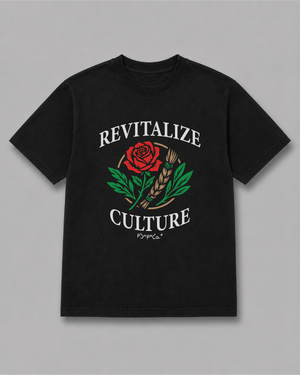
Hamilton gives you waterfall trails, a lakeside city and a loyal Tiger-Cats crowd. We would pick a heavyweight 100% cotton tee for a summer hike from Tew Falls to Webster Falls. In fall, the Black Oni long sleeve handles the cool spray at Albion Falls. When lake winds pick up at a Tiger-Cats game in October, a heavy hoodie is the smart layer. The Golden Era ringer tee is an easy choice for a day around Dundurn Castle. An A-frame snapback helps on the sunny climb up the escarpment. McMaster students might go for the Revitalize Culture crewneck, which carries a Cree word and story.