
Indigenous Medicine Hat: Treaty 7, Nations and Community
An introduction to Medicine Hat: its history, the Nations whose lands it sits on, and Indigenous community life today, with sources.
About Medicine Hat
Medicine Hat is a southeastern Alberta city divided by the South Saskatchewan River and located on the Trans-Canada Highway and the Canadian Pacific main line. The area is traditional Siksikaitsitapi (Blackfoot Confederacy) territory. The Saamis Archaeological Site in the Seven Persons Creek valley, a Provincial Historic Site, served as a winter campsite for First Nations between about 1390 and 1820 and is thought to contain tens of millions of artifacts. Above it stands the Saamis Tepee, built for the 1988 Calgary Winter Olympics and billed as the world’s tallest tepee, with storyboards on its ten masts sharing Indigenous heritage. Rich natural gas and clay deposits shaped early industry and earned the nickname Gas City, and manufacturing remains important. Medicine Hat College serves the region, and the Miywasin Friendship Centre provides services to Indigenous residents. The Cypress Hills rise about 66 km to the southeast.
Medicine Hat history
Medicine Hat's land carries more than one treaty story. Tourism Medicine Hat acknowledges both Treaty 7 and Treaty 4, and it names the Siksika, Kainai, Piikani, Stoney-Nakoda, Tsuut'ina, Cree, Sioux and Saulteaux peoples. Treaty 7 was signed on September 22, 1877, at Blackfoot Crossing on Siksika land. Crowfoot spoke for the Siksika, and Kainai head chief Red Crow helped build consensus. The Canadian Encyclopedia notes that none of the Nations are thought to have understood it as a land surrender. They saw it as a peace treaty, and disputes over its meaning and promises continue. The modern city began in 1883 as a tent camp for crews building the CPR bridge over the South Saskatchewan. Métis families and Ontario-born settlers were among the first residents. German-speaking immigrants followed in the 1890s. Medicine Hat was incorporated as a city in 1906. Clay shaped the next chapter. Pottery-making began around 1906, and the Medalta complex went up in 1912 and 1913. Through the 1920s to 1940s it was the largest pottery maker west of Toronto. It was also the first western Canadian manufacturer to ship goods east of the Great Lakes. Production continued until 1954.
Treaty and territory
Medicine Hat is on Treaty 7 territory, the lands of the Blackfoot Confederacy, the Tsuut’ina and the Stoney Nakoda, and the homeland of the Métis.
Nearby: Redcliff · Dunmore · Irvine · Elkwater · Bow Island
Indigenous Medicine Hat today
Medicine Hat's Indigenous community has a home at the Miywasin Friendship Centre on 3 Street SE. The non-profit centre develops services for the Aboriginal community of the Medicine Hat area and welcomes everyone. It runs elder and youth programs, cultural activities and events, transitional housing and counselling. Its community gatherings have included a Métis Kitchen Party. Schools play a strong part as well. Medicine Hat Public School Division runs a First Nations, Métis and Inuit program with a liaison worker for students who self-identify. Staff help with academic and social needs, post-secondary and career planning, and connections to community agencies. The program also teaches about Indigenous history, treaties and rights. An Elder is part of its support team. The division acknowledges Treaty 7 territory, home to the Kainai, Piikani and Siksika, along with the Tsuut'ina and Stoney Nakoda. It also recognizes Medicine Hat Métis District 2. Tourism Medicine Hat, for its part, places the city in Métis Region 3. Tourism Medicine Hat's acknowledgement adds a commitment of its own. It says residents live on and benefit from these lands and hold themselves accountable to the people who cared for them.
Life in Medicine Hat
The Canadian Encyclopedia calls Medicine Hat Canada's sunniest city, with about 330 days of sunshine a year. It counted 63,271 people in the 2021 census. Natural gas gave the city its early fortune and nickname. In 2019 the city announced it would close about 2,000 of its gas wells. Industry still matters. A Goodyear tire plant and a methanol plant operate here, and the city is home to what has been called Canada's largest Bitcoin mine. Nearby Suffield is Canada's largest military training area. Medalta Potteries, a National Historic Site since 1985, keeps original kilns, factory buildings and a narrow-gauge rail line. It holds the most complete surviving ceramics industry complex in Canada. Sport fans follow the Medicine Hat Tigers in hockey and the Mavericks in baseball. The Medicine Hat News has served readers as the daily paper.
Medicine Hat seasons and weather
Medicine Hat is one of the sunniest places in Canada, with hot, dry summers that suit a tee and a brimmed hat. Winters are cold but can be broken by milder spells, so layers you can peel off are useful.
More on the region: Indigenous Alberta · all of Canada.
Keep learning in the XUSI Journal
- The Numbered Treaties, Explained
- Treaty Annuity Payments and Treaty Days, Explained
- First Nations, Métis and Inuit: What’s the Difference?
- How to Write a Land Acknowledgement That Means Something
- All Journal articles
Medicine Hat questions
Can a Medicine Hat school or friendship group order custom printed shirts?
Yes. Screen printing starts at 10 garments, allows up to 4 colours per design with design help included, and every order is quoted before printing. Shirts are printed in Saskatoon and shipped to Medicine Hat.
Can I return a hoodie that was shipped to Medicine Hat?
Returns can be requested within 30 days. For future orders, spending $90 or more gets free shipping within Canada.
Could the Miywasin Friendship Centre or a school FNMI program order printed shirts for an event?
Yes. Custom screen printing starts at 10 garments, with up to 4 colours per design, and every order is quoted before printing. Design help is included, so we can work with your event name or artwork. Orders are printed in Saskatoon and shipped to Medicine Hat.
Which XUSI pieces handle Medicine Hat's strong summer sun?
Our heavyweight 100% cotton tees have a generous fit that keeps air moving in dry heat. The A-frame snapback, at $44.95, gives shade for long days outside. For cooler evenings by the river, the Black Oni long sleeve covers your arms without the weight of a hoodie.
Last reviewed . Facts on this page come from the sources listed below.
Sources for this page
- Medicine Hat / The Canadian Encyclopedia
- Treaty 7 / The Canadian Encyclopedia
- Land Acknowledgement / Tourism Medicine Hat
- Miywasin Friendship Centre / Tourism Medicine Hat
- Miywasin Friendship Centre / Palliser Primary Care Network
- First Nations, Métis & Inuit / Medicine Hat Public School Division
- Medalta Potteries National Historic Site of Canada / Parks Canada
Indigenous clothing from XUSI
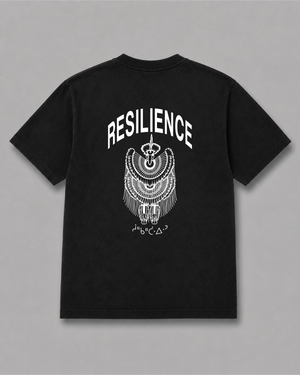
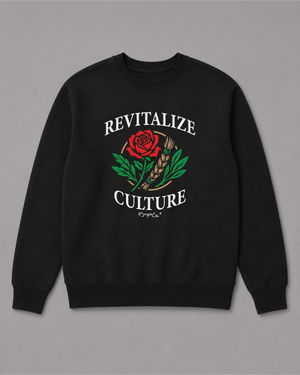
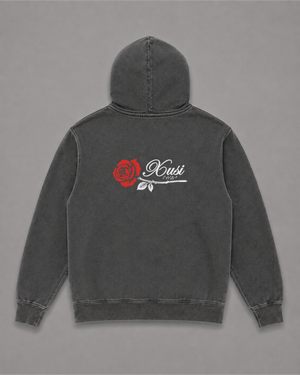
Medicine Hat shoppers can find Indigenous-owned tees, hoodies and hats at XUSI, a clothing and screen-printing brand from Saskatoon that ships its pieces to the Gas City and the rest of southeastern Alberta.
With roughly 330 sunny days a year, Medicine Hat is a place for light layers and sun cover. We would pick a heavyweight 100% cotton tee for a hot July touring the kilns at Medalta. An A-frame snapback earns its keep under that big southeastern Alberta sky. For a Tigers game, when the arena is cold, a hoodie is the easy choice. The Golden Era ringer tee suits a summer evening at a Mavericks ball game. In a winter cold snap, layer the Black Oni long sleeve under a hoodie. Peel it off when the sun comes back.