
Indigenous St. John’s: Beothuk and Mi’kmaq Lands, Nations and Community
An introduction to St. John’s: its history, the Nations whose lands it sits on, and Indigenous community life today, with sources.
About St. John’s
St. John’s is on the Avalon Peninsula in southeastern Newfoundland, around a sheltered harbour entered through a long, narrow channel called the Narrows. Signal Hill, crowned by Cabot Tower, rises above the city, and nearby Cape Spear is the most easterly point in North America. Once dependent on the fishery, the local economy grew with offshore oil after 1997 and today also relies on health care, government, ocean technology and tourism. Memorial University, founded in 1925, is a major presence, and The Rooms combines the provincial archives, museum and art gallery. The Royal St. John’s Regatta is considered the oldest continuous sporting event in North America. The island is the homeland of the Beothuk and the Mi’kmaq, and First Light, the St. John’s Friendship Centre, offers cultural, youth, wellness and land-based programming for the growing urban Indigenous community.
St. John’s history
The Beothuk used this part of the coast seasonally, long before European fishing crews arrived. The city is also where that history reached a painful end. In 1829, Shawnadithit, the last known Beothuk, died of tuberculosis in St. John's. John Cabot reached Newfoundland's shores on June 24, 1497. A Portuguese map by Pedro Reinel, drawn between 1516 and 1520, labelled the spot Rio de San Johem. In 1527, English sailor John Rut described the Haven of St. John's, crowded with Norman, Breton and Portuguese vessels. Sir Humphrey Gilbert arrived in 1583 to declare Newfoundland an English colony. By the mid-1600s, St. John's was the main administrative and supply centre for the fishery. Its permanent population grew from under 1,000 in the mid-18th century to more than 10,000 by 1815. The colony received its first year-round governor in 1817 and a legislature in 1832. Fires tore through the town in 1816, 1817, 1819, 1846 and 1892, and the last one destroyed 2,000 houses. In 1901, Guglielmo Marconi received the first transatlantic wireless message at Signal Hill. Alcock and Brown took off from here in 1919 on the first non-stop transatlantic flight. Newfoundland joined Canada in 1949.
Treaty and territory
St. John’s is on the ancestral homelands of the Beothuk. The island of Newfoundland, Ktaqmkuk, is also the homeland of the Mi’kmaq.
Nearby: Mount Pearl · Paradise · Torbay · Conception Bay South
Indigenous St. John’s today
First Light works from 40 Quidi Vidi Road and describes everything it does as rooted in community, culture and connection. Its divisions cover truth and reconciliation, health and wellness, community supports, and early learning and child care. The centre also houses a Centre for Performance and Creativity. First Light's public calendar includes National Indigenous Peoples Day, Orange Shirt Day, Gathering of Voices and a Language and Culture Camp. Its best-known event is the Spirit Song Festival, which has run every year since 2013. The multi-day festival brings performances, traditional and contemporary knowledge sharing, and an artist in residence program. It welcomes Indigenous and non-Indigenous audiences alike and promotes Indigenous artists from across Canada. At Memorial University, the Office of Indigenous Affairs works to guide the university in Indigenizing the academy. On the St. John's campus, the Indigenous Student Resource Centre offers academic, cultural and personal support, along with scholarships and employment resources. Juniper House gives students a community space. The university recognizes four Indigenous peoples in the province: the Beothuk, Mi'kmaq, Innu and Inuit. Its cultural events include Orange Shirt Day, Red Dress Day and National Indigenous Peoples Day.
Life in St. John’s
The 2021 census counted 110,525 people in St. John's. Many residents trace their roots to England or Ireland, with 36.6% reporting English origins and 34% Irish. The East Coast Trail is the region's great outdoor draw. It offers 270 km of coastal hiking paths plus 66 km of community walks, split into 25 paths. The trail runs from Topsail Beach to Cape St. Francis and south to Cappahayden. Hikers pass towering cliffs, sea stacks, fjords and lighthouses. They may see seabird colonies, whales, icebergs and the world's southernmost caribou herd. Highlights include a 50-metre suspension bridge, two active archaeological digs and the Spout, a wave-driven natural geyser. More than 14,000 visitors complete over 65,000 hikes on the trail each year. Planners hope to extend it to about 600 km along the Avalon Peninsula.
St. John’s seasons and weather
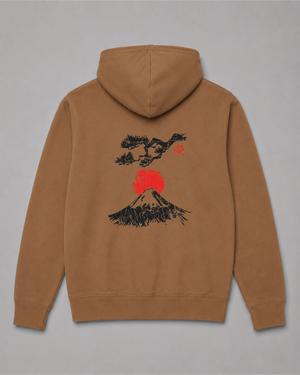
Weather in St. John’s is famously changeable, with wind, fog, freezing drizzle and heavy snow all common. A warm hoodie and a hat that stays on in the wind are practical much of the year.
More on the region: Indigenous Newfoundland and Labrador · all of Canada.
Keep learning in the XUSI Journal
- First Nations, Métis and Inuit: What’s the Difference?
- How to Write a Land Acknowledgement That Means Something
- Orange Shirt Day & the National Day for Truth and Reconciliation
- National Indigenous Peoples Day and History Month: A Guide
- All Journal articles
St. John’s questions
Is shipping to Newfoundland free?
Orders of $90 or more ship free within Canada, which includes St. John’s. For smaller orders, the shipping cost is calculated at checkout.
Can I get design help for custom shirts for a St. John’s event?
Yes, design help is included. Custom screen printing has a 10-garment minimum and up to 4 colours per design, and every order is quoted before it is printed in Saskatoon and shipped to you.
What should I wear hiking the East Coast Trail near St. John's?
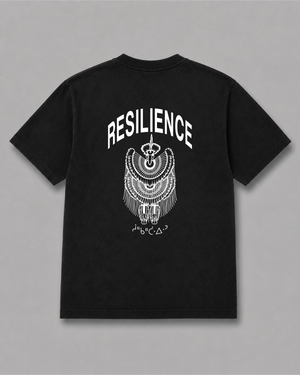
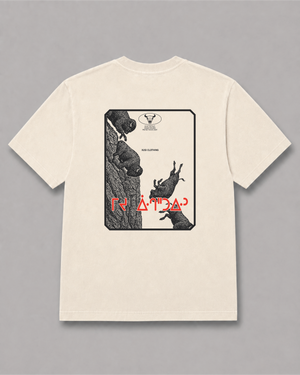
Cliff-top weather on the Avalon changes fast, so layers matter. Start with a heavyweight 100% cotton tee ($49.95), add the Black Oni long sleeve ($54.95), and carry a hoodie for wind. Our A-frame snapback ($44.95) helps on bright days, though windy stretches may call for a toque.
Could a Memorial University student group order shirts for National Indigenous Peoples Day?
Yes. A student group can order custom screen printing from 10 garments, with up to 4 colours per design and design help included. Every order gets a full quote before anything is printed. We print in Saskatoon, so plan well ahead of June 21 to allow for shipping to Newfoundland.
Last reviewed . Facts on this page come from the sources listed below.
Indigenous clothing from XUSI
Right out on the Avalon, St. John’s residents can order XUSI streetwear. We are an Indigenous-owned company in Saskatoon, and our hats, tees and hoodies ship to the easternmost city in the country.
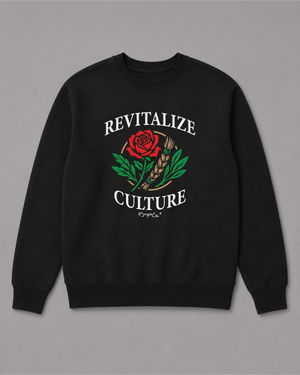
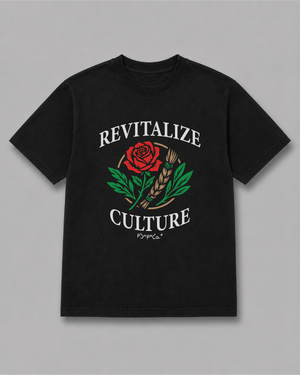
St. John's weather rarely sits still, and we think our pieces work best here in layers. A heavyweight hoodie handles a foggy, windy climb up Signal Hill. A heavyweight 100% cotton tee under the Black Oni long sleeve suits a day on the East Coast Trail. Cliff-top wind there can shift by the hour. Our A-frame snapback keeps sun and spray off your face while you watch for whales and icebergs. For a Spirit Song Festival performance, the Revitalize Culture crewneck is a warm, meaningful layer on a cool evening. Memorial students may like the Golden Era ringer tee for the short, bright weeks of summer.