
Indigenous Brandon: Treaty 2, Nations and Community
An introduction to Brandon: its history, the Nations whose lands it sits on, and Indigenous community life today, with sources.
About Brandon
Set on the banks of the Assiniboine River about 214 km west of Winnipeg, Brandon is Manitoba’s second-largest city and the main commercial centre for the Westman region and parts of southeastern Saskatchewan. Agriculture and related industries drive much of the local economy. Brandon University describes the city as shared territory of the Dakota Oyate, the Anishinaabeg and the National Homeland of the Red River Métis, with its campuses on Treaty 1 and Treaty 2 lands. Sioux Valley Dakota Nation, whose self-government legislation was enacted in 2014, lies to the west. The Brandon Friendship Centre supports the urban Indigenous community. Post-secondary options include Brandon University, Assiniboine College and the Manitoba Emergency Services College. The Keystone Centre, one of the largest entertainment and agriculture complexes in Canada, hosts the annual Royal Manitoba Winter Fair, and Canadian Forces Base Shilo sits roughly 30 km east.
Brandon history
Brandon's name is older than the city. Between 1793 and 1832, the Hudson's Bay Company built three trading posts called Brandon House in this area. The Canadian Encyclopedia says the name likely came from the Duke of Brandon, an ancestor of Lord Selkirk. West of today's city, the Dakota reserve once known as Oak River was recognized in 1875. It is now Sioux Valley Dakota Nation. Permanent settlement began in the late 1870s. In 1881 the Canadian Pacific Railway chose Brandon as a divisional point, and the town grew quickly into a transportation and trade centre. It was incorporated as a city in 1882. The Brandon Indian Residential School opened north of the city in May 1895, in what is now the Rural Municipality of Cornwallis. It was first run by the Presbyterian Church, and the federal government took over responsibility in March 1969. The school closed in June 1972. Its three-storey brick and Tyndall stone building, built in 1929 and 1930, stood empty until it was demolished in August 2000. The Manitoba Historical Society notes two graveyards nearby where some students who died at the school were buried. Brandon University became a provincial university in 1967.
Treaty and territory
Brandon is on Treaty 2 territory, the traditional lands of the Anishinaabe and Dakota Oyate, and the homeland of the Red River Métis.
Nearby: Sioux Valley Dakota Nation · Shilo · Souris · Carberry · Virden
Indigenous Brandon today
Brandon's urban Indigenous community has deep support networks. The Brandon Friendship Centre has marked its 50th anniversary and runs a wide range of programs. They include Aboriginal Head Start, Kokum's Early Enrichment Program, Four Directions Employment Services and adult upgrading. The centre also offers a 60s Scoop language and cultural program, youth outreach and a local Bear Clan. Each June 21, National Indigenous Peoples Day fills the Brandon Riverbank. Brandon Tourism calls it a long-standing tradition. The day has featured pow wow demonstrations, drummers, hoop dancers, throat singers, square dancers and Métis entertainers. A tipi village, hayrides and craft tables round out the program. Dakota neighbours are part of the city's calendar too. Sioux Valley Dakota Nation, about 45 minutes west, has roughly 2,400 members. It belongs to the Dakota Ojibway Tribal Council along with other Dakota and Ojibway bands in Manitoba. Brandon Tourism also lists Dakota Nation Winter Fest among the region's events. At Brandon University, the Office of Indigenous Initiatives works from Clark Hall and oversees the Indigenous Peoples' Centre. The university publishes a newsletter called The Tea, which celebrates Indigenous initiatives on campus.
Life in Brandon
Brandon had 51,313 residents in the 2021 census, up from 48,883 in 2016. Agriculture, trade, health care and administration are its economic mainstays. Food processing, including a Maple Leaf pork plant, sits alongside fertilizer, chemical and pharmaceutical production. The city has a strong record as a host. It welcomed the Canada Winter Games in 1979, the World Curling Championships in 1995 and the Canada Summer Games in 1997. Hockey fans follow the Brandon Wheat Kings, and golfers can play the Wheat City Golf Course. Brandon Tourism highlights the Assiniboine River corridor. Its visitor centre is the Riverbank Discovery Centre on Conservation Drive. Riverbank trails pass the Peter Sawatzky Sculpture Park and its wildlife sculptures. Museums tell other stories. The Commonwealth Air Training Plan Museum is built around its main hangar. Daly House Museum and the Art Gallery of Southwestern Manitoba add local history and art.
Brandon seasons and weather
Brandon’s dry prairie climate brings warm, sometimes hot summers and cold, dry winters, so a breathable tee and a heavier hoodie both earn space in the closet.
More on the region: Indigenous Manitoba · all of Canada.
Keep learning in the XUSI Journal
- The Numbered Treaties, Explained
- Treaty Annuity Payments and Treaty Days, Explained
- First Nations, Métis and Inuit: What’s the Difference?
- How to Write a Land Acknowledgement That Means Something
- All Journal articles
Brandon questions
What does shipping to Brandon cost?
Shipping is calculated at checkout based on your order. Orders of $90 or more ship free anywhere within Canada, Brandon included.
What if something I order to Brandon doesn’t fit?
You can request a return within 30 days. Every order is sent from Saskatoon, where it leaves within 1–3 business days.
Can a Brandon group get custom shirts for National Indigenous Peoples Day?
Yes. Our custom screen printing starts at 10 garments, with up to 4 colours per design, and every order is quoted before printing. Design help is included. We print in Saskatoon and ship to Brandon, so allow extra time before the June 21 celebration at the riverbank.
Which XUSI pieces work for a Brandon winter?
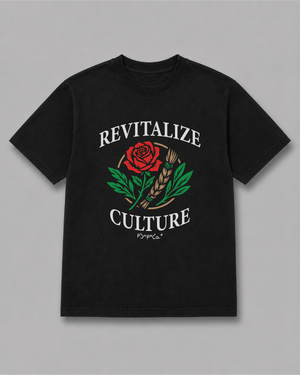
Brandon winters are cold and dry, so layering matters on the walk between car, rink and home. One of our hoodies layers well under a parka, and the Revitalize Culture crewneck is a warm choice indoors. Pair either with a heavyweight cotton tee for easy layering.
Last reviewed . Facts on this page come from the sources listed below.
Sources for this page
- Brandon – The Canadian Encyclopedia
- Historic Sites of Manitoba: Brandon Indian Residential School – Manitoba Historical Society
- Sioux Valley Dakota Nation – Minnesota Historical Society, The U.S.-Dakota War of 1862
- Events – Brandon Friendship Centre
- National Indigenous Peoples Day – Brandon Tourism
- Brandon Tourism
- Indigenous – Brandon University
Indigenous clothing from XUSI
Brandon residents who want to support Indigenous creators can order from XUSI, an Indigenous-owned Saskatoon brand that sends its tees, hoodies and hats to homes across the city and the Westman region.
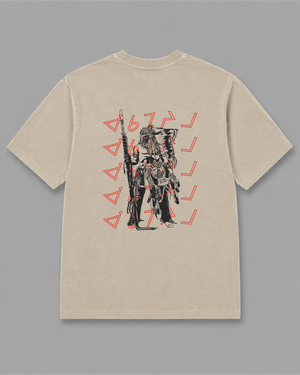
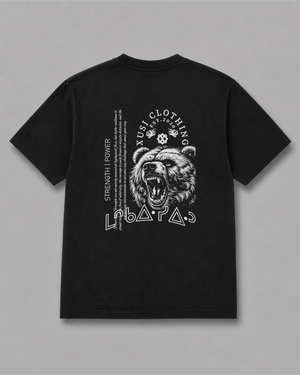
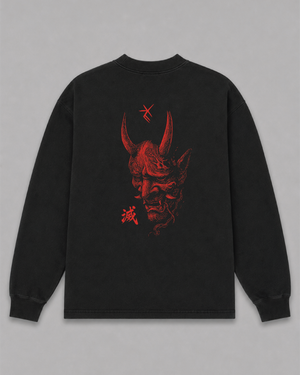
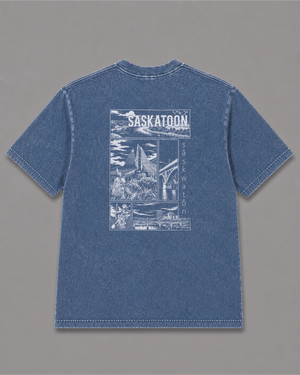
Brandon's year moves from riverbank summers to hockey winters, and we dress for both. A heavyweight 100% cotton tee and an A-frame snapback suit a June 21 afternoon at the riverbank celebration. For a walk out to the Sawatzky sculptures on a cool fall evening, add the Black Oni long sleeve. On a winter night at a Wheat Kings game, a hoodie from our $59.95 to $89.95 range keeps you warm. The Golden Era ringer tee is an easy pick for a round at Wheat City Golf Course. For a Dakota, Anishinaabe or Métis youth program in Westman, our custom screen printing starts at just 10 garments.