
Indigenous Nanaimo: Douglas Treaty, Nations and Community
An introduction to Nanaimo: its history, the Nations whose lands it sits on, and Indigenous community life today, with sources.
About Nanaimo
Nanaimo’s name is an anglicized form of Snuneymuxw, the First Nation on whose traditional territory the city stands. Nicknamed the Harbour City, it sits on the east coast of Vancouver Island about 111 km northwest of Victoria and faces Vancouver across the Strait of Georgia. Three BC Ferries terminals, at Departure Bay, Duke Point and Nanaimo Harbour, link it to the mainland and nearby islands, and Saysutshun (Newcastle Island Marine Provincial Park) lies just offshore. Vancouver Island University has its main campus here. The Tillicum Lelum Aboriginal Friendship Centre, which began as a coffee drop-in more than 50 years ago, now runs dozens of programs, including Hul’q’umi’num language learning. The provincial government is the largest employer and the Harmac pulp mill remains significant, while the city is also the birthplace of the Nanaimo bar and home to a famous bathtub race.
Nanaimo history
The Snuneymuxw, a Central Coast Salish people, are the original inhabitants of the Nanaimo area. Carvings in the sandstone above Nanaimo Harbour are more than 1,000 years old, and the province protected them as Petroglyph Provincial Park in 1948. The Hudson's Bay Company set up a fortified post here in 1849. The discovery of coal in 1852 brought permanent settlement. The Bastion is described by The Canadian Encyclopedia as the oldest preserved HBC fort in Canada. On December 23, 1854, the Snuneymuxw and the Crown made the Sarlequun Snuneymuxw Treaty. It protects Snuneymuxw villages, fields, waterways and harvesting rights, including fishing and hunting. The Nation notes it is one of the few in British Columbia with a pre-Confederation treaty. Section 35 of the Constitution Act, 1982, protects it today. Nanaimo was incorporated in 1874. A railway was completed in 1886 and helped the town grow. Coal output peaked in 1923 at more than one million tons a year, and the city later turned to forest products. The Regional District of Nanaimo was set up in 1967, the same year the Nanaimo Museum opened as a Centennial project.
Treaty and territory
Nanaimo is on the traditional territory of the Snuneymuxw First Nation, a signatory to an 1854 Douglas Treaty.
Nearby: Snaw-Naw-As (Nanoose) First Nation · Stz’uminus First Nation · Lantzville · Ladysmith · Gabriola Island · Parksville
Indigenous Nanaimo today
Snuneymuxw First Nation has about 2,000 people, making it one of the largest Nations in British Columbia. In 2021 it signed a Memorandum of Understanding with Canada and the province, a step toward recognizing and implementing the 1854 treaty. It also has a protocol agreement with the City of Nanaimo. The Nation runs health, education and housing services, a Marine Division and several businesses. These include Petroglyph Development Group, the Courtyard by Marriott Nanaimo and operations on Saysutshun. The Nation encourages members to take part in community planning to restore its presence across its territory. Vancouver Island University acknowledges the Snuneymuxw, Quw'utsun, Tla'amin, Snaw-naw-as and Qualicum First Nations, on whose lands it operates. Its Shq'apthut gathering place, in Building 170 on the Nanaimo campus, is open five days a week. There, an Elder-in-Residence and Indigenous Access Coordinators help students with funding, housing, food, childcare and cultural programs. Downtown, the Nanaimo Museum stands on ancestral Snuneymuxw lands. Its Snuneymuxw gallery explores the community's living culture and oral traditions.
Life in Nanaimo
Nanaimo sits on a narrow coastal plain, backed by farmland and timber country. Its economy once ran on coal and later on forest products. Today it also relies on retail and wholesale trade, construction, manufacturing, technology firms and government services. History is easy to find here. The Nanaimo Museum moved in 2008 into the Vancouver Island Conference Centre. It features a coal mine exhibit, a miner's cottage and a steam locomotive, and it runs summer coal mining tours. At Petroglyph Provincial Park, trails lead to a sandstone gallery overlooking Nanaimo Harbour. Concrete replicas of the carvings, showing wolf-like creatures, fish and human figures, let visitors make rubbings with paper and crayon. Visitors are asked to stay on the trails to protect the original carvings.
Nanaimo seasons and weather
Nanaimo’s mild, wet winters and warm, dry summers make light, layerable pieces the most useful, with a hoodie ready for damp days on the water.
More on the region: Indigenous British Columbia · all of Canada.
Keep learning in the XUSI Journal
- First Nations, Métis and Inuit: What’s the Difference?
- How to Write a Land Acknowledgement That Means Something
- Orange Shirt Day & the National Day for Truth and Reconciliation
- National Indigenous Peoples Day and History Month: A Guide
- All Journal articles
Nanaimo questions
Does free shipping apply to Nanaimo on Vancouver Island?
Yes, orders of $90 or more ship free within Canada, which includes the Island. Otherwise, shipping is calculated at checkout.
Can a Nanaimo group get design help for custom shirts?
Design help is included with custom screen printing. Orders start at 10 garments, with up to 4 colours per design, and every order is quoted before printing.
Do XUSI designs use Coast Salish or Hul'q'umi'num' imagery?
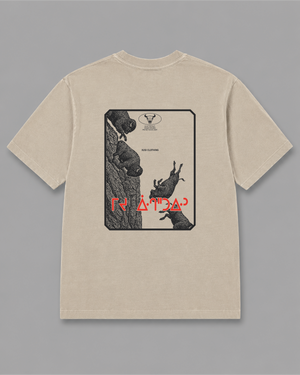
XUSI is an Indigenous-owned brand from Saskatoon, and many of our designs carry a Cree word, with its story on our Meanings page. Nanaimo sits on Snuneymuxw lands, whose art and language belong to that Nation. Many of our designs carry a Cree word, with its story on our Meanings page.
Could a VIU Indigenous student group order custom hoodies?
Yes. Custom screen printing starts at 10 garments, with up to 4 colours per design, and every order is quoted before printing. Design help is included. We print in Saskatoon and ship the order to Nanaimo, so a student group can have matching hoodies for the school year.
Last reviewed . Facts on this page come from the sources listed below.
Indigenous clothing from XUSI
Nanaimo is on XUSI’s shipping map: the Indigenous-owned Saskatoon brand sends its tees, hoodies and hats across the Strait of Georgia to homes in the Harbour City.
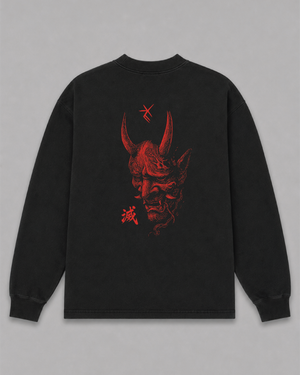
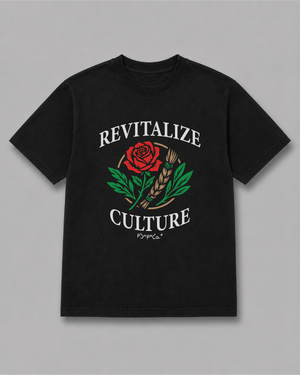
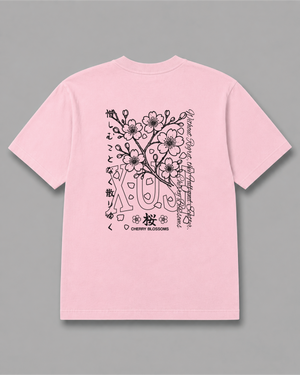
Nanaimo life happens on and near the water, and the air stays damp much of the year. Our heavyweight cotton tee works on a sunny ferry crossing from Departure Bay, with an A-frame snapback for the glare off the harbour. On a misty walk out to the Petroglyph Park lookout, the Black Oni long sleeve is a comfortable layer. When the coastal chill settles in over winter, a hoodie under a rain jacket makes sense. We can also print custom hoodies in Saskatoon for a Nanaimo paddling club, a VIU student group or a community crew.